Kamekobaka turtleback tombs
亀甲墓Kaamina-kuubakaTombBuilt in Okinawa from the late 17th century; the oldest known date from 1686 and 1687
Kamekobaka are Okinawa's turtleback tombs, family graves whose curved roofs look like a turtle's shell, with a walled forecourt where relatives gather at the Seimei-sai (Qingming) festival. They are private graves, so visitors look from outside and never climb on them.
Photo 松岡明芳 · Wikimedia Commons · CC BY-SA 4.0
Okinawans long laid their dead to rest in caves and rock shelters, and later dug tombs into slopes and sealed them with stone. The turtleback tomb grew from that tradition and from tomb styles brought from southern China, where similar tombs stand in Fujian and Taiwan. Under the kingdom only the aristocracy could build one, and after 1879 they spread quickly among ordinary families. The oldest known are the tomb of Gosamaru, rebuilt in 1686, and the Ie Udun tomb of 1687.
In front of the burial chamber lies a forecourt walled in stone. Inside, a coffin rests just past the entrance for several years until only bones remain, and the bones are then washed and placed in an urn on the shelves behind, where the founder's urn takes the centre. At Seimei-sai, which is the Qingming festival, families gather in the forecourt and share stacked boxes of food there.
The Battle of Okinawa badly damaged many of the great tombs of Shuri and Naha, and in 1951 the US military ordered the large graveyards at Tsujibaru and Wakasa in Naha cleared. Cremation has since become the norm, and families now often build smaller house-shaped tombs. The large tombs of royalty and high aristocracy were not moved, and descendants still look after them.
Visiting with care
Families still tend the larger tombs, and the bones of generations rest inside.
- Turtleback tombs are family graves; never enter one, climb on it or sit in its forecourt
- Visit only historic tombs that are open to the public, such as Gosamaru's tomb near Nakagusuku Castle
- Keep off the roof and the stone walls of any tomb
- Don't photograph families gathered at their tomb
- Give way and stay quiet if you pass a family gathered at Seimei-sai
Worth knowing
- Gosamaru's tomb is reached from Nakagusuku Castle, and the castle's site shows the route.
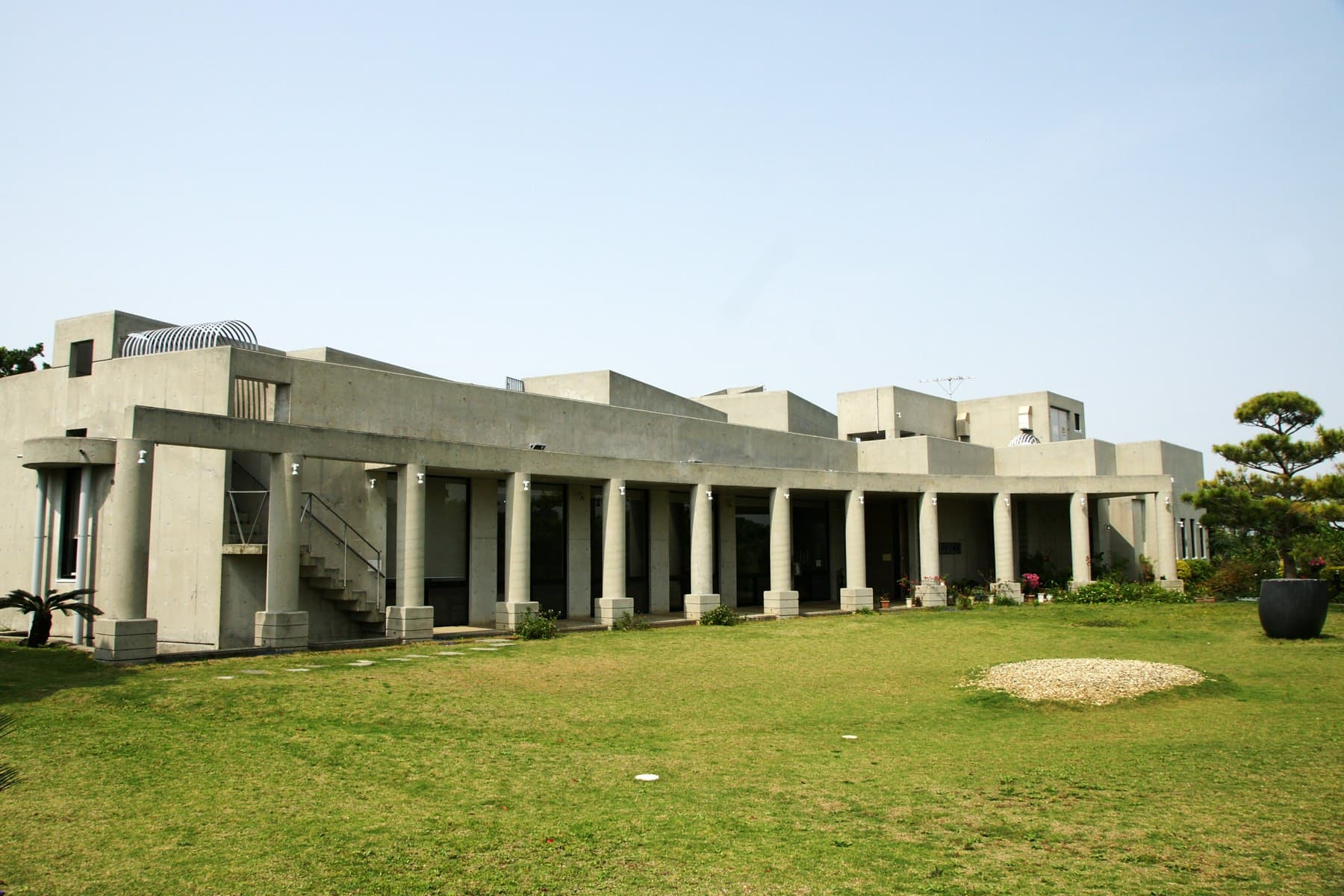
- The Sakima Art Museum's design echoes the founder's family turtleback tomb in its garden.
Go and see
Related places場所



FAQ
Quick answers about Kamekobaka turtleback tombsよくある質問
What is a turtleback tomb in Okinawa?
A turtleback tomb, or kamekobaka, is an Okinawan family grave with a curved roof shaped like a turtle shell and a walled forecourt for rites. Families gather there at the Seimei-sai festival.
Can you visit turtleback tombs in Okinawa?
Only from outside. Turtleback tombs in Okinawa are private family graves, so visitors should never enter, climb on them or sit in their forecourts.
How should you behave at Kamekobaka turtleback tombs?
At Kamekobaka turtleback tombs: Keep off the roof and the stone walls of any tomb. Don't photograph families gathered at their tomb. Give way and stay quiet if you pass a family gathered at Seimei-sai.