Akagawara red-tile roofs
沖縄赤瓦PracticeRed tile from the Ryukyu Kingdom; on ordinary houses from the Meiji era
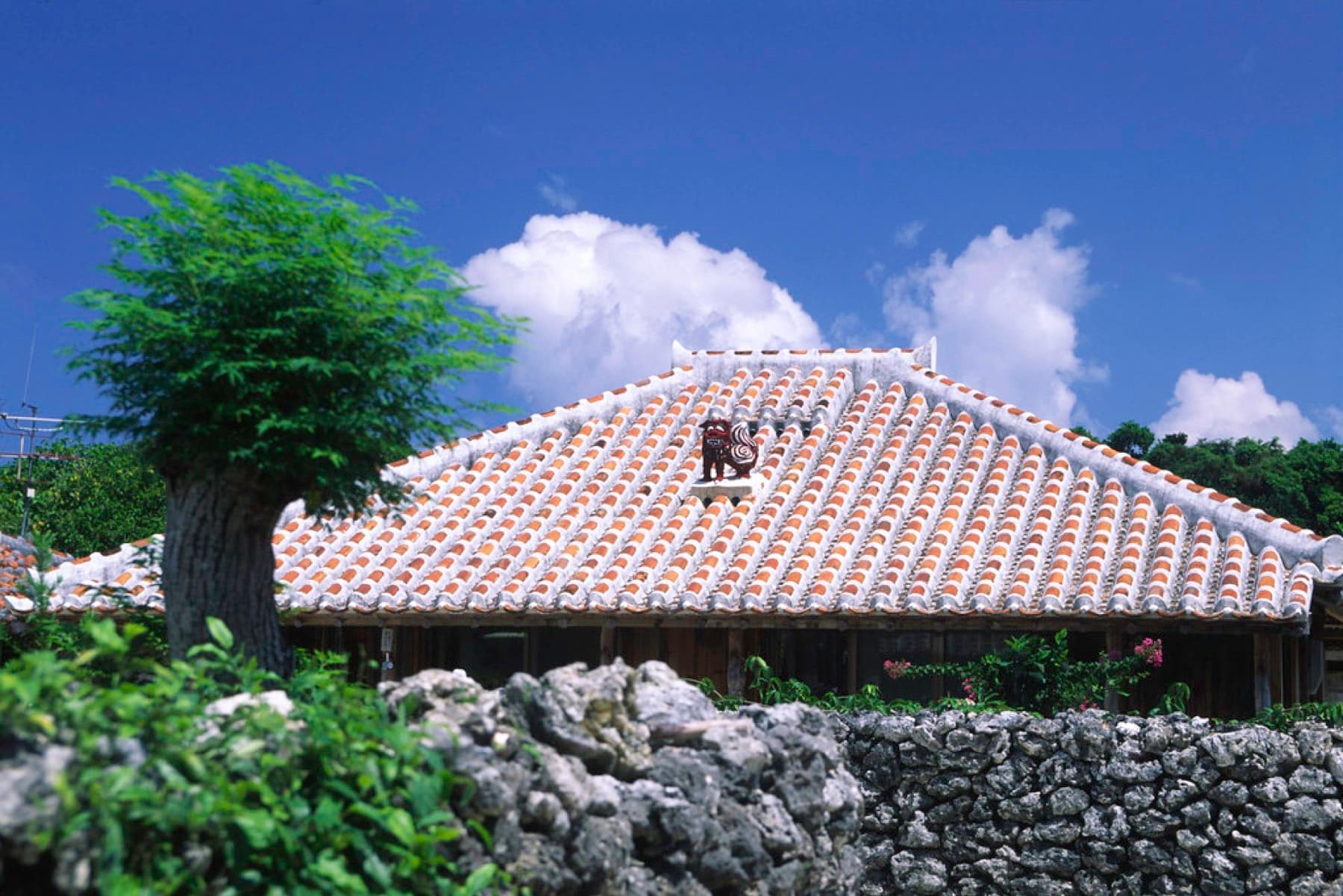
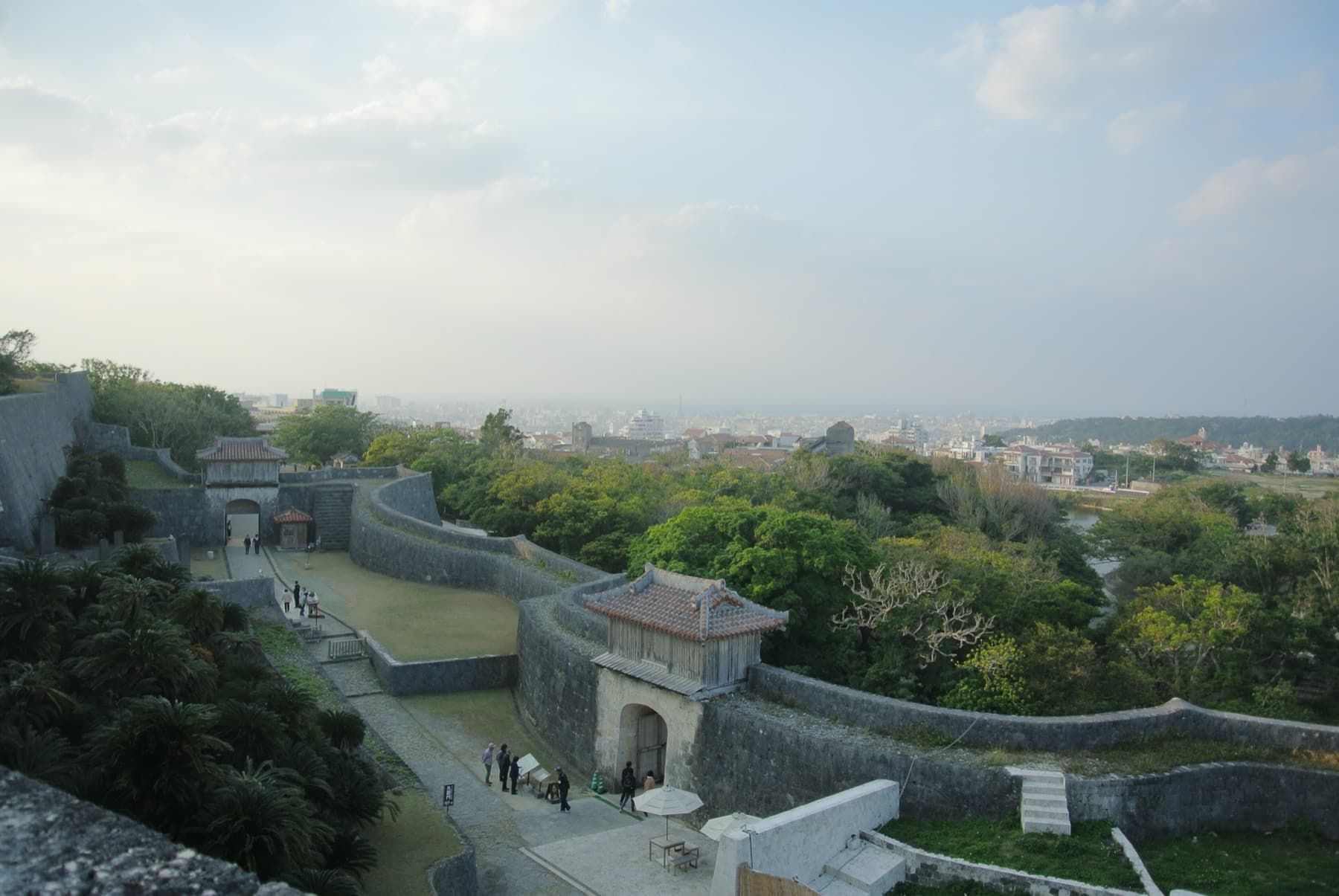
Akagawara are Okinawa's red clay roof tiles, bedded in white lime mortar, and they once marked royal and aristocratic buildings before spreading to ordinary homes after the Meiji era. Today the best place to see them is Taketomi village, and the outer islands keep more than the main island because the war destroyed fewer houses there.
Photo 松岡明芳 · Wikimedia Commons · CC BY-SA 4.0 and others, credited in the gallery
The tiles are made mostly from kucha, a dark grey mudstone of central and southern Okinawa rich in iron, mixed with red earth. Like the tiles of mainland temples they come in two shapes: the flat female tile, miigaara, and the round male tile, uugaara. Builders bed them in lime mortar, which gives the roofs their bands of white.
Tiles reached the islands in the 13th and 14th centuries, and the first were grey. Red tile went first onto the buildings of the royal government, Shuri Castle above all, and spread slowly to aristocrats' houses. Commoners were not allowed tiled roofs under the kingdom. Production centred on Shuri until early Meiji, then moved to Yonabaru as red tile spread to ordinary homes, and Yonabaru remains the centre today.
The Battle of Okinawa destroyed almost all the red-tile buildings of central and southern Okinawa, and the rebuilding favoured reinforced concrete. More old roofs survive on the outer islands. Even there red tile spread to ordinary homes mainly after the war, and on Taketomi about 40% of main houses were still thatched in 1964. Since 2007 the prefecture has certified craftspeople in red-tile roofing to keep the skill alive.
Visiting with care
Red-tile roofs are part of the landscape that places like Taketomi protect by law and by their own charters.
- Red-tile houses are private homes; look from the lane
- In protected villages such as Taketomi, any change to a roof or wall needs a permit
- Stay out of yards to photograph roofs
- Don't climb walls or touch roof shisa
Worth knowing
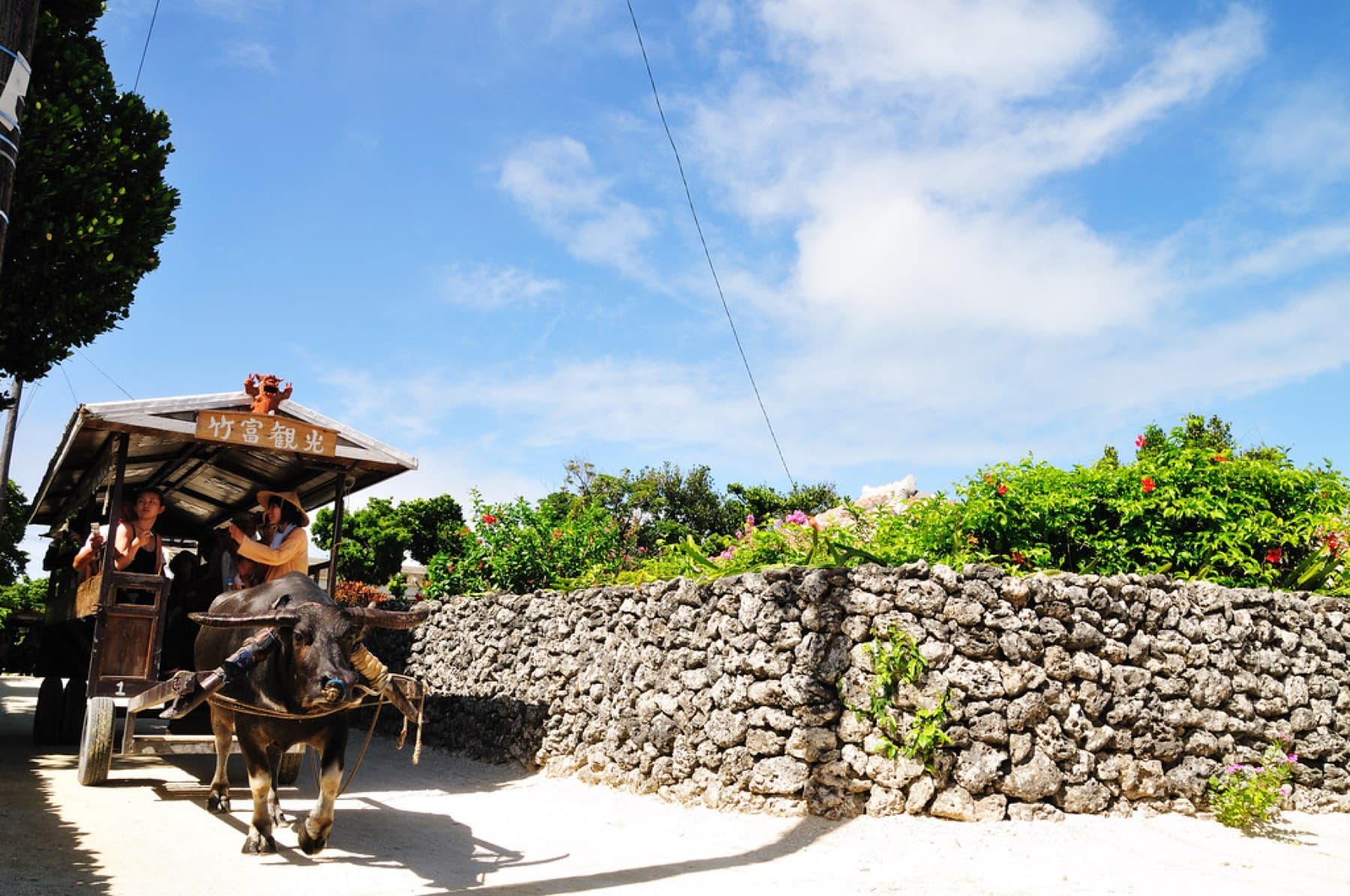
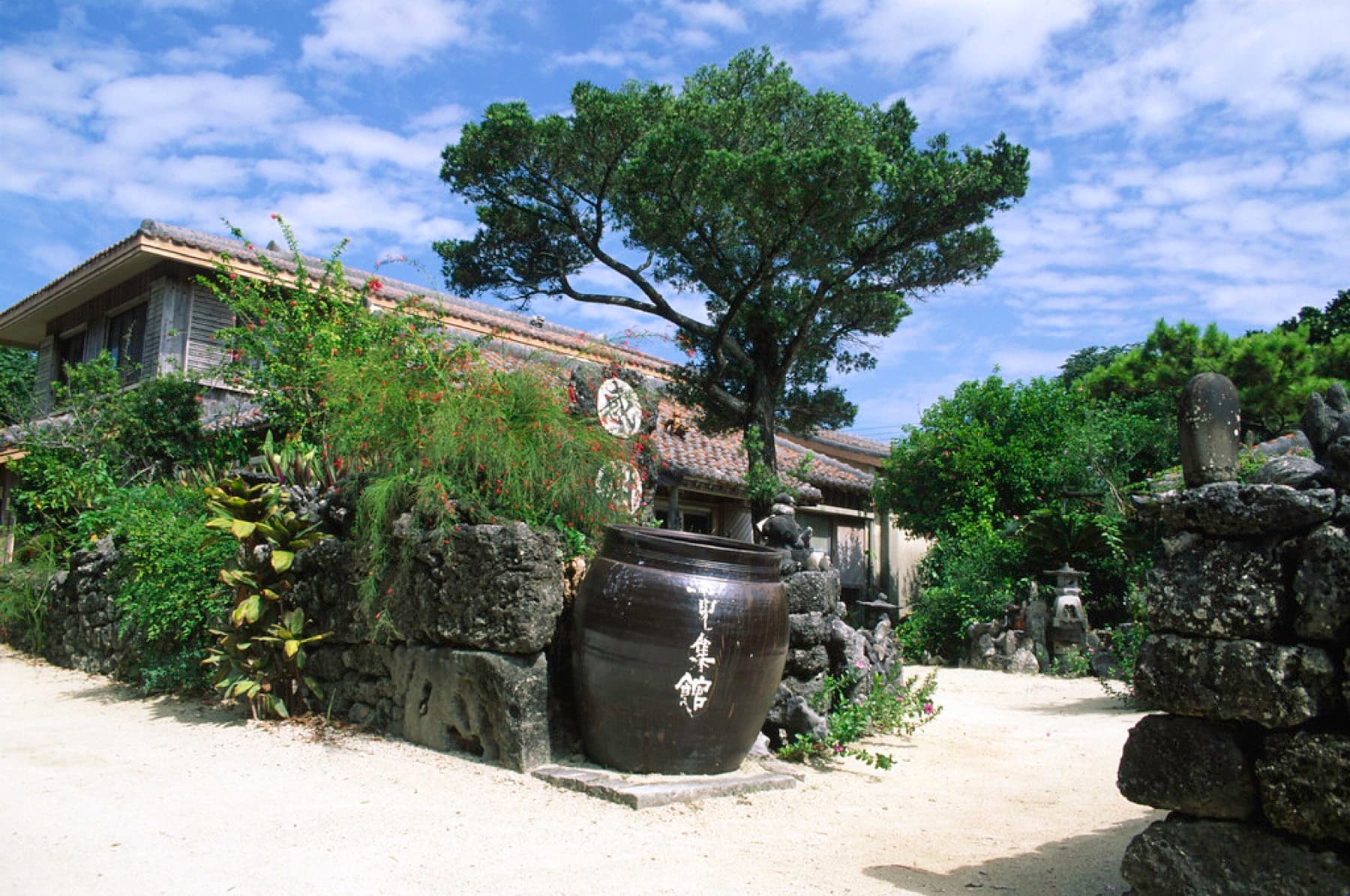
- Taketomi village is the place to see whole lanes of red-tile roofs; ride slowly through the white-sand streets.
- Shuri Castle's Heisei-era reconstruction was the first time the castle wore red tile throughout; under the kingdom red and grey tiles were mixed.
Go and see
Where to see Akagawara red-tile roofs場所


FAQ
Quick answers about Akagawara red-tile roofsよくある質問
Why are Okinawan roofs red?
Okinawan roofs are red because the tiles are fired from an iron-rich mudstone called kucha mixed with red earth. The tiles are bedded in white lime mortar, which gives the roofs their pattern.
Where can you see red-tile roofs in Okinawa?
Taketomi village keeps whole lanes of red-tile houses and is a protected district. The outer islands in general keep more red-tile houses than the main island, because the war destroyed fewer buildings there.
How should you behave at Akagawara red-tile roofs?
At Akagawara red-tile roofs: Stay out of yards to photograph roofs. Don't climb walls or touch roof shisa.