Bingata
紅型BingataPracticeFragments survive from the 14th century; designated a national traditional craft as Ryukyu Bingata on 31 May 1984
Bingata is Okinawa's brightly coloured stencil-dyed cloth, which dyers around Shuri Castle made for the royal family and aristocracy of the Ryukyu Kingdom. You can watch it being made or try a short class in Shuri and on Kokusai-dori in Naha.
Photo Bruno Cordioli · Wikimedia Commons · CC BY 2.0 and others, credited in the gallery
Fragments of bingata survive from the 14th century, and the craft may go back to the 13th. Bin is usually read as colour and kata as pattern, though the written form 紅型 only spread in the Showa era, after the scholar Yoshitaro Kamakura used it in 1924. Under the kingdom the royal government kept dye houses around Shuri Castle and protected them. Bingata dressed the women of the royal and aristocratic families and their sons before they came of age. Most of the motifs come from Chinese symbols of good fortune, and the colours are used freely: cranes in red and green, cherry blossoms in yellow.
When the kingdom ended in the Meiji era the dyers lost their patrons, and many left Shuri. The Battle of Okinawa then destroyed most of the stencils and tools that remained. After the war Eiki Shiroma and Sekiko Chinen, both from old dyeing families, led the revival. They cut stencils from Japanese army maps they found, used broken records as spatulas for the resist paste, lipstick in place of pigment and spent cartridge cases as nozzles for the paste bags, and they dyed postcards for American soldiers to make a living.
The process starts with a design drawn on paper and carved into a sheet of persimmon-tanned paper with a small knife held point forward. The dyer lays the stencil on the cloth and spreads a rice paste over it to protect the parts that should stay undyed, then brushes in the colours by hand. Japan named Ryukyu Bingata a traditional craft on 31 May 1984.
Visiting with care
Bingata is a living craft carried on by family studios, and much of the work happens in small rooms where the dye and paste must not be disturbed.
- Workshops are places of work; book a class or visit a shop that invites visitors
- Shuri Ryusen in Shuri runs a 50-minute coral-dyeing class from ¥3,000 plus tax for adults, and its third floor lets you watch dyers at work
- Tenbusu Naha on Kokusai-dori runs hands-on bingata classes
- Don't touch cloth that is pinned out to dry or stencils laid on a table
- Ask before photographing a dyer at work
- Hand-dyed bingata passes through many steps, so expect prices to match the hours
Worth knowing
- Shuri Ryusen opens 9:00–18:00 every day, and the Yamagawa bus stop is a minute's walk away; book classes online.
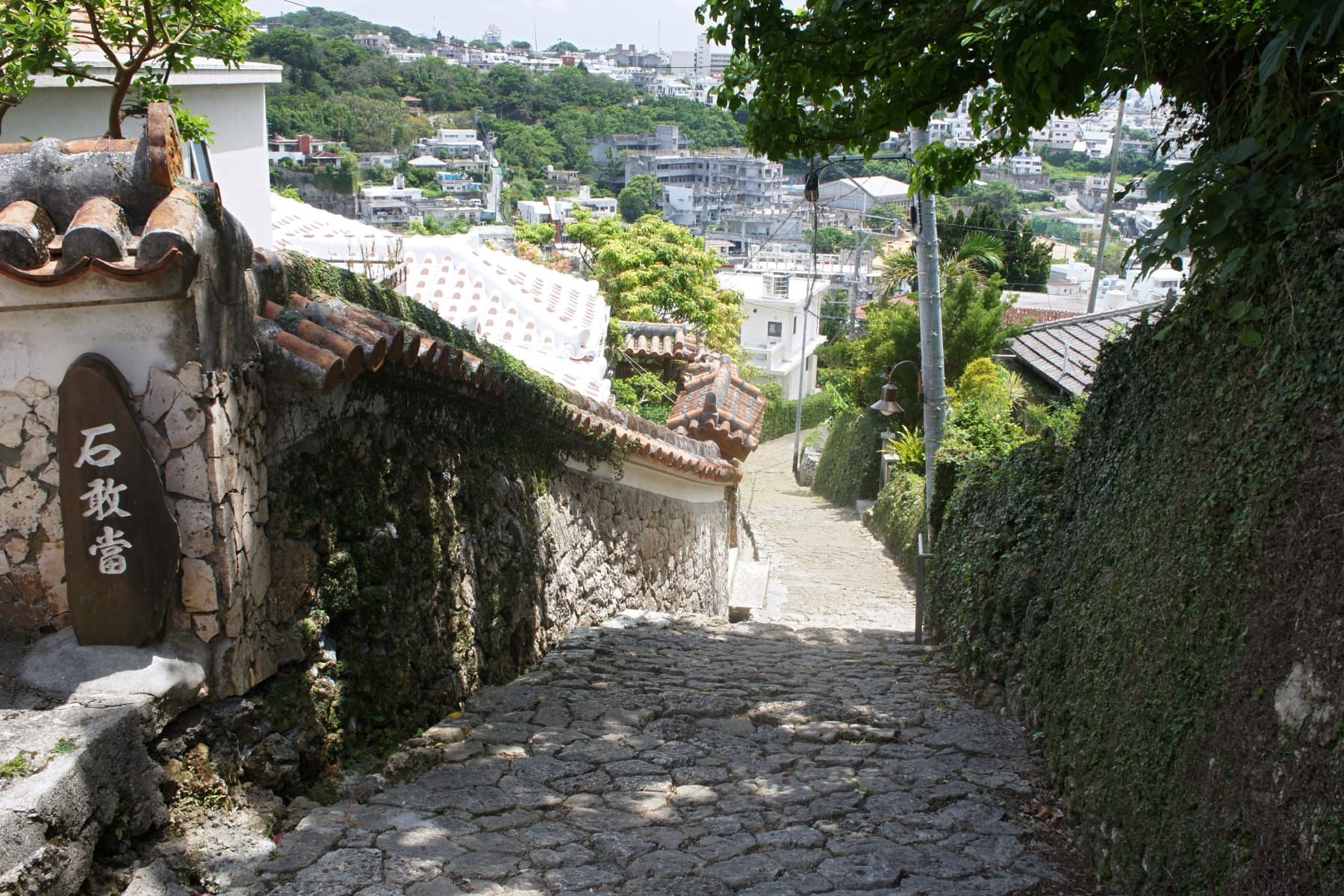
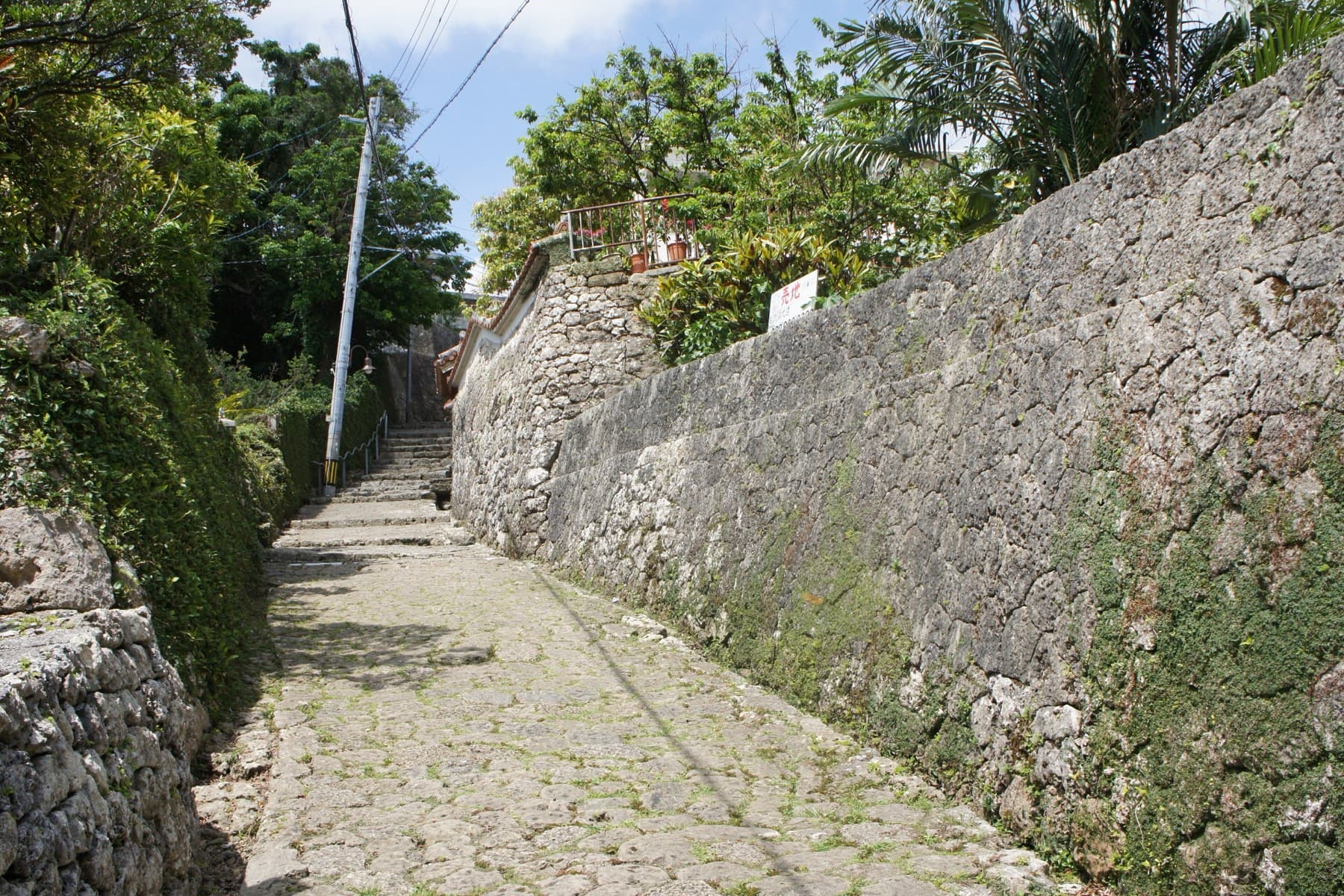
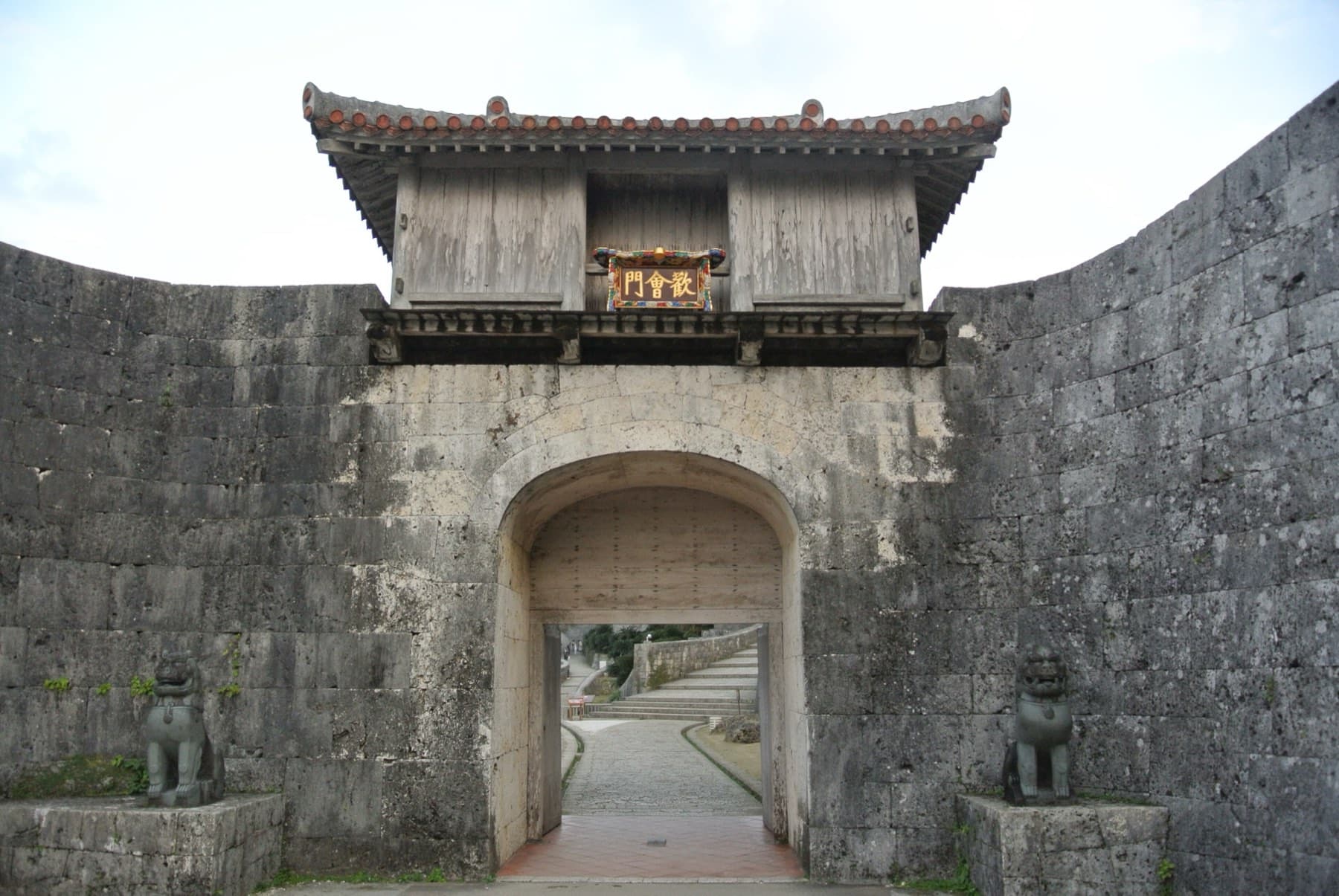
- Combine a bingata shop with Shuri Castle, since the craft grew up around it.
Go and see
Where to see Bingata場所






FAQ
Quick answers about Bingataよくある質問
What is bingata?
Bingata is a stencil-dyed cloth from Okinawa, made for the Ryukyu royal family and aristocracy and known for bright, free colours. Japan designated Ryukyu Bingata a traditional craft in 1984.
Where can you try bingata in Okinawa?
Shuri Ryusen in Shuri and Tenbusu Naha on Kokusai-dori both run short hands-on classes. At Shuri Ryusen you can also watch dyers at work on the third floor.
How should you behave at Bingata?
At Bingata: Don't touch cloth that is pinned out to dry or stencils laid on a table. Ask before photographing a dyer at work. Hand-dyed bingata passes through many steps, so expect prices to match the hours.