Eisa
エイサーPracticeGrew from Buddhist nembutsu chanting brought to Shuri in the early 1600s; the all-island contest in Koza began in 1956
Eisa is the drum dance that the young men of Okinawa's main island perform through the streets at the lunar-calendar Obon to welcome and send off the ancestors, and the big show is the Okinawa Zento Eisa Matsuri in Okinawa City in late summer. Out of season, the Eisa Kaikan in Koza lets you see and try it from ¥300.
Photo 663highland · Wikimedia Commons · CC BY 2.5 and others, credited in the gallery
At Obon the spirits of the ancestors return to the living, and in villages around the main island the young men dance through the streets to song and drums to receive them. The procession is called michijune. Eisa traditionally comes on the night of ukui, when the spirits are sent off at the end of Obon, and many groups now dance on several nights from the welcome onward. Each troupe is formed by the village youth association.
The name is thought to come from a refrain in Pure Land Buddhist chants. The priest Taichu stayed in Shuri for three years from 1603 and spread the nembutsu, and the practice took hold first among the royal family and aristocracy. From the Meiji era village youths took over the chanting, and eisa spread from the north and centre of the main island across Okinawa and took in folk songs along the way.
After the war, eisa changed most in the centre of the island, around today's Okinawa City. The old city of Koza held the first all-island eisa contest in 1956, and that became the Okinawa Zento Eisa Matsuri. Drum eisa from Okinawa City and the Katsuren Peninsula is the best known, with large troupes moving in formation.
Visiting with care
Eisa is first a rite for the ancestors at Obon, and village youth groups perform it for their own community before anyone else.
- Village eisa takes place on the nights of the lunar-calendar Obon in late summer, so the dates move each year
- The Okinawa Zento Eisa Matsuri in Okinawa City ran on 4–6 September 2026 for its 71st edition
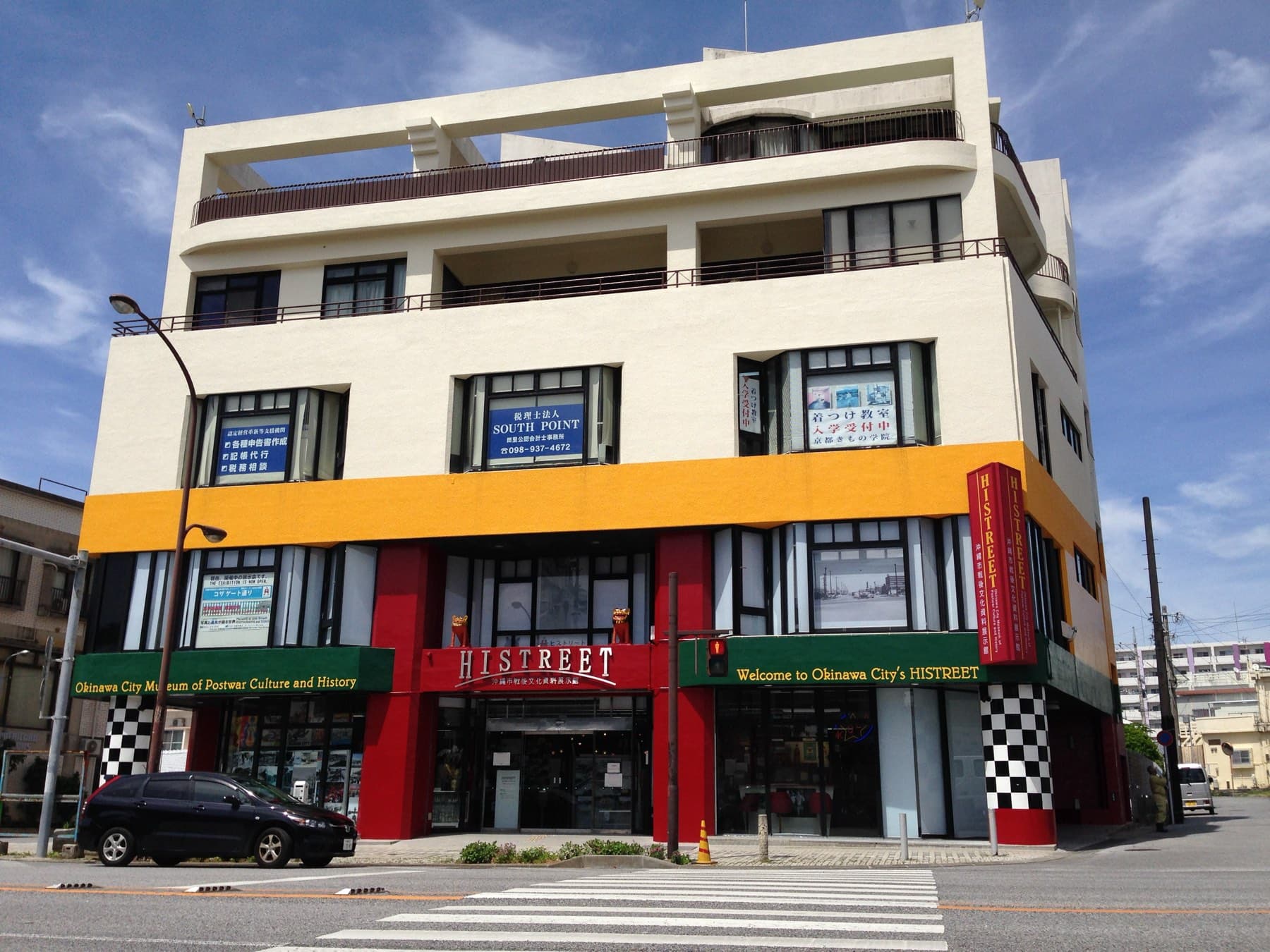
- Out of season, the Eisa Kaikan in Koza Music Town shows the drums and costumes and lets you try the drumming; adults pay ¥300 and school-age children ¥100
- When a village troupe dances through the streets at Obon, step aside and let it pass; it is visiting homes and ancestors
- Don't walk into the formation or the drummers' space to take photos
- Keep the evening's mood in mind: Obon is when families welcome and send off their dead
Worth knowing
- A winter trip misses Obon, so head to the Eisa Kaikan at Koza Music Town, which stays open until 20:00 on Fridays and Saturdays.
- Parking at Koza Music Town is discounted for Eisa Kaikan visitors.
- If you visit in late summer, check the lunar Obon dates and ask locally where the village troupes will dance.
Go and see
Where to see Eisa場所


FAQ
Quick answers about Eisaよくある質問
When can you see eisa in Okinawa?
Eisa is danced at the lunar-calendar Obon in late summer, and the Okinawa Zento Eisa Matsuri in Okinawa City ran on 4–6 September in 2026. Out of season, the Eisa Kaikan in Koza shows and teaches the dance.
What is eisa?
Eisa is a drum dance from Okinawa's main island that young men traditionally perform at Obon to welcome and send off the spirits of the ancestors. Village youth associations form the troupes.
What are the hours and entry fee at Eisa?
Eisa is open Eisa Kaikan in Koza: Mon, Tue, Thu and Sun 10:00–18:00 (last entry 17:30); Fri and Sat 10:00–20:00 (last entry 19:30) and adult entry costs ¥300.
How should you behave at Eisa?
At Eisa: When a village troupe dances through the streets at Obon, step aside and let it pass; it is visiting homes and ancestors. Don't walk into the formation or the drummers' space to take photos. Keep the evening's mood in mind: Obon is when families welcome and send off their dead.