Ishiganto
石敢當IshigantuuPracticeA custom from Fujian in China; still made new in Okinawa
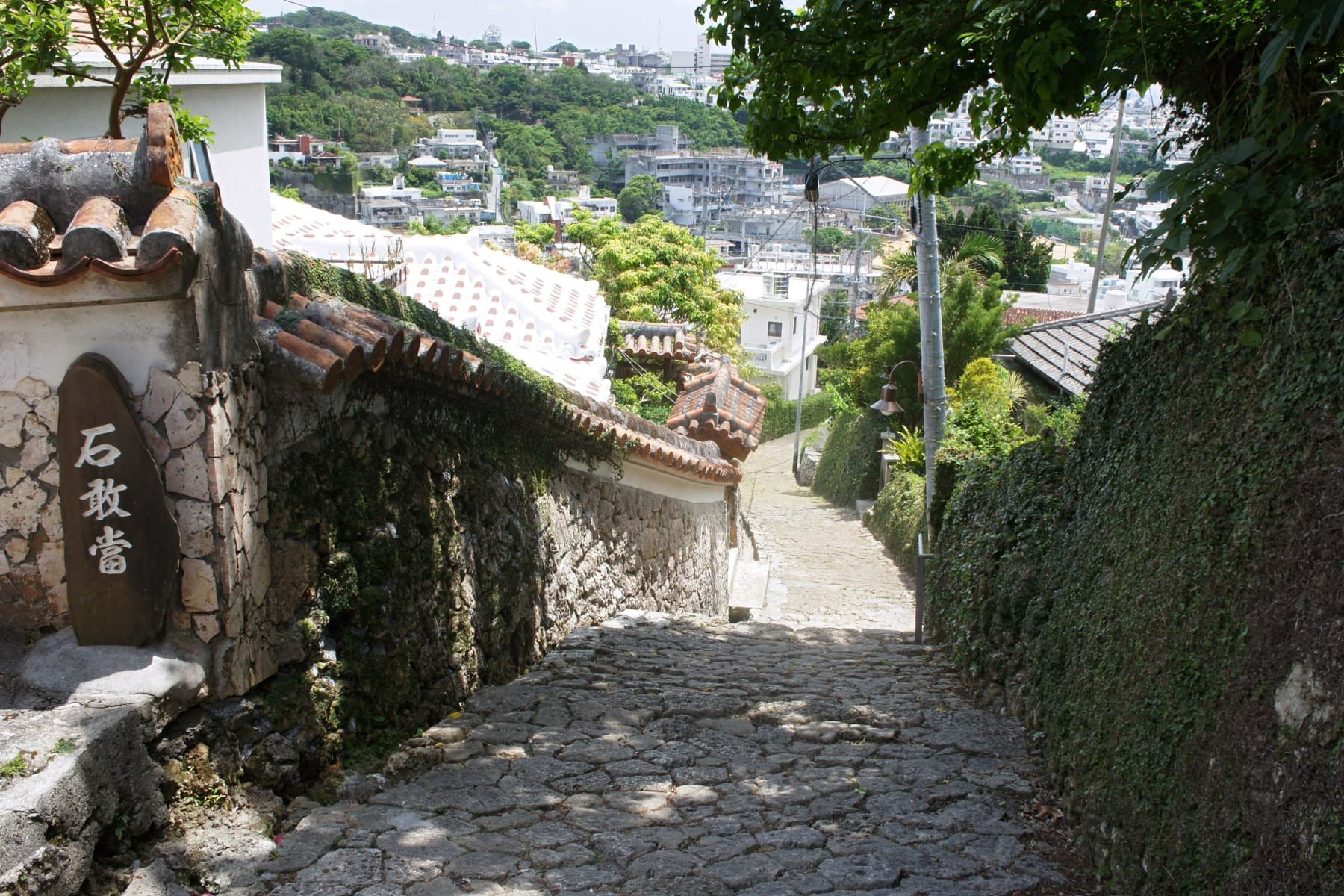
Ishiganto are small stone tablets carved with the characters 石敢當 that Okinawans set at T-junctions and dead ends to stop wandering evil spirits, which can only travel in straight lines. They come from a Chinese custom born in Fujian, and new ones still go up all over Okinawa.
Photo Paipateroma · Wikimedia Commons · CC BY-SA 3.0 and others, credited in the gallery
The custom began in Fujian in southern China and spread to Taiwan, Hong Kong, Southeast Asia and southern Japan. Nobody is sure where the name comes from, and the accounts range from the name of a general to old beliefs in the power of stones. In Okinawa it is read ishiganto.
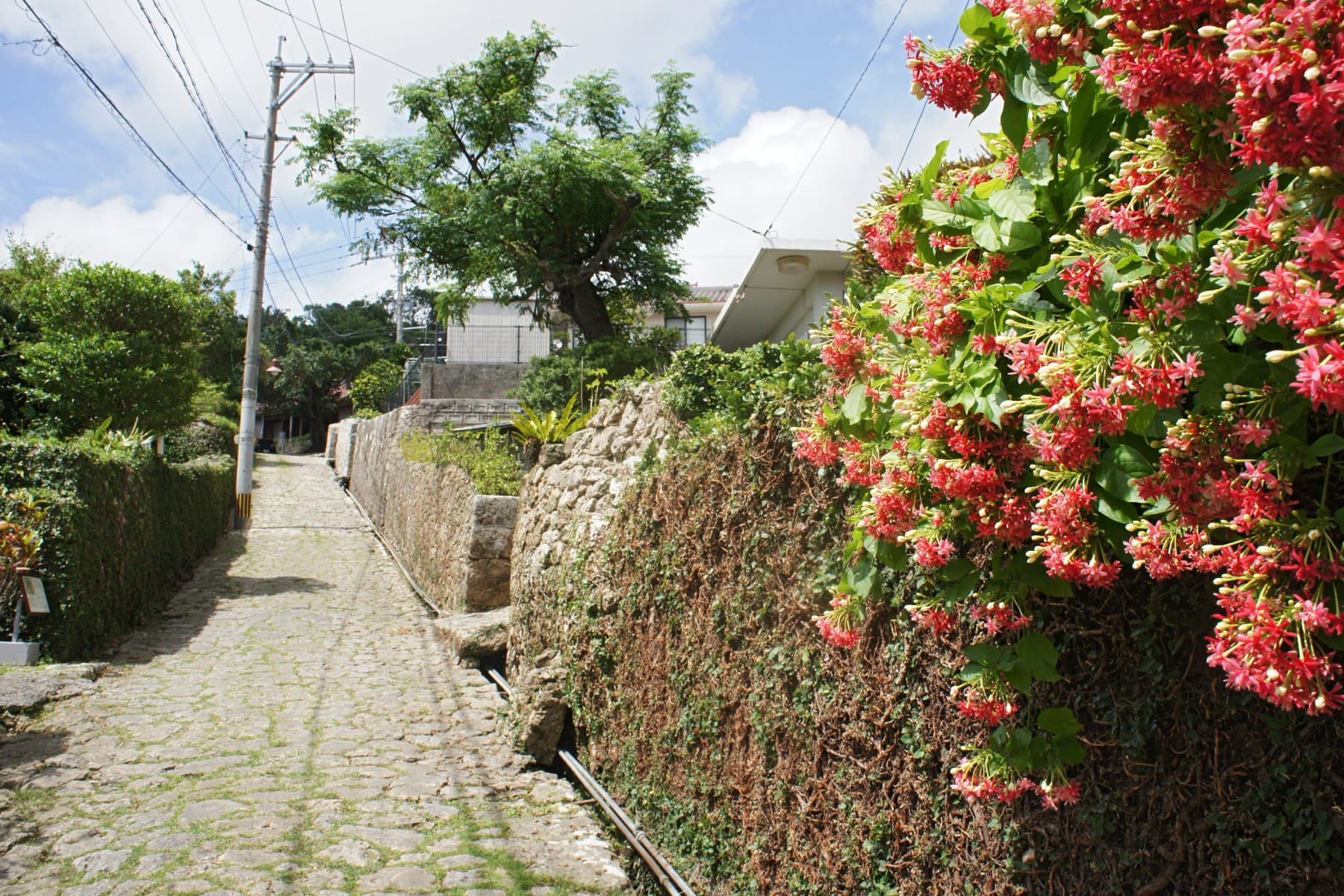
Okinawa's streets have many T-junctions and three-way forks, and belief in the stones runs strong. Evil spirits called majimun wander the towns and can only go straight, so at a junction they would run into the house facing the road. A stone marked 石敢當 stops them and sends them back. One estimate puts the number in Okinawa at about 10,000.
Most are a carved stone set upright or a plaque set into a wall, and some are painted straight onto concrete. On Ikema Island in Miyako one ishiganto carries a giant clam shell. People still put up new ones, large and small, all over Okinawa.
Visiting with care
People in Okinawa still place new ishiganto, so many are part of someone's house.
- Ishiganto are set into walls and street corners of private homes; look from the road
- Don't lean bikes against an ishiganto or sit on it
- Ask before photographing one set into a home's wall if the owner is nearby
Worth knowing
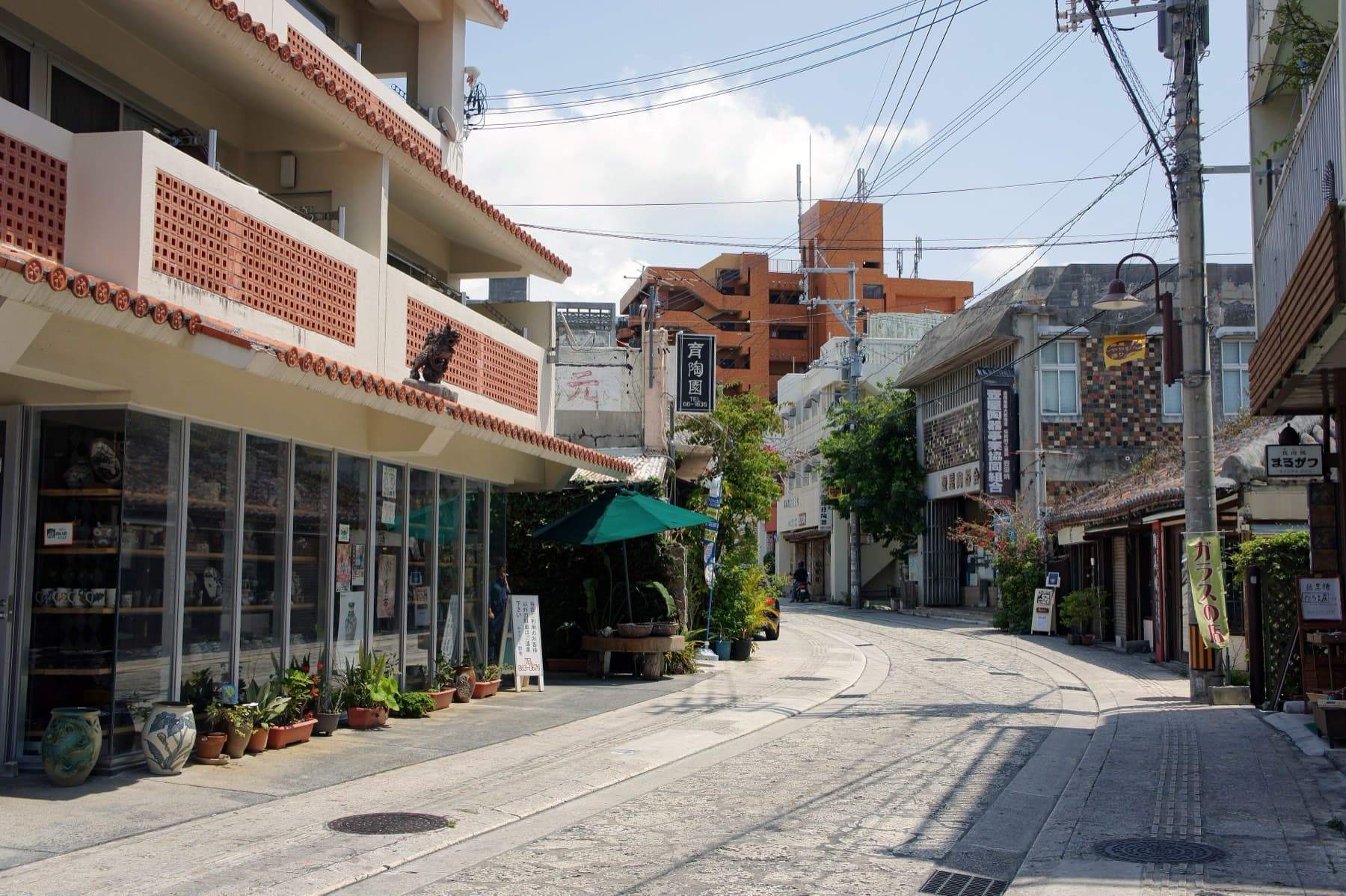
- Walk the lanes of Tsuboya or Shuri and look at the walls where the lanes meet.
- Ishiganto make a quiet game for children on a walk or an easy ride through a village.
Go and see
Where to see Ishiganto場所





FAQ
Quick answers about Ishigantoよくある質問
What is an ishiganto?
An ishiganto is a stone tablet carved with 石敢當 and set at a T-junction or dead end in Okinawa. It stops the wandering evil spirits called majimun, which can only travel in straight lines.
Where did ishiganto come from?
Ishiganto came from a custom in Fujian in southern China, which spread to Okinawa, Taiwan, Southeast Asia and southern Japan.
How should you behave at Ishiganto?
At Ishiganto: Don't lean bikes against an ishiganto or sit on it. Ask before photographing one set into a home's wall if the owner is nearby.