Shisa
シーサーPracticeVillage shisa from 1689; on ordinary roofs only from the Meiji era
Shisa are the lion-dog guardians on Okinawan roofs and gateposts, set there to keep evil away, and they often come in pairs with one mouth open and one closed. The oldest village shisa is said to be the stone lion of Tomimori in Yaese, raised in 1689 against fires.
Photo 倶楽部オータム · Wikimedia Commons · CC BY-SA 3.0 and others, credited in the gallery
The name comes from shishi, which is Japanese for lion. Like the Chinese stone lions and the komainu of mainland shrines, the shisa traces back to the lions of the ancient Near East. The oldest lion carving in Okinawa is on the stone coffin of King Eiso at Urasoe Yodore, and scholars date it to the late 13th century or, from the style of the carving, the 15th. For centuries shisa guarded temple and castle gates, utaki, aristocrats' tombs and the entrances to villages.
Village shisa began in 1689, according to the Kyuyo chronicle. Fires kept breaking out in Tomimori, and a feng shui master blamed the influence of Mount Yaese and told the villagers to carve a lion and set it facing the mountain. The fires stopped, and the Tomimori shisa is held to be the oldest village shisa in Okinawa.
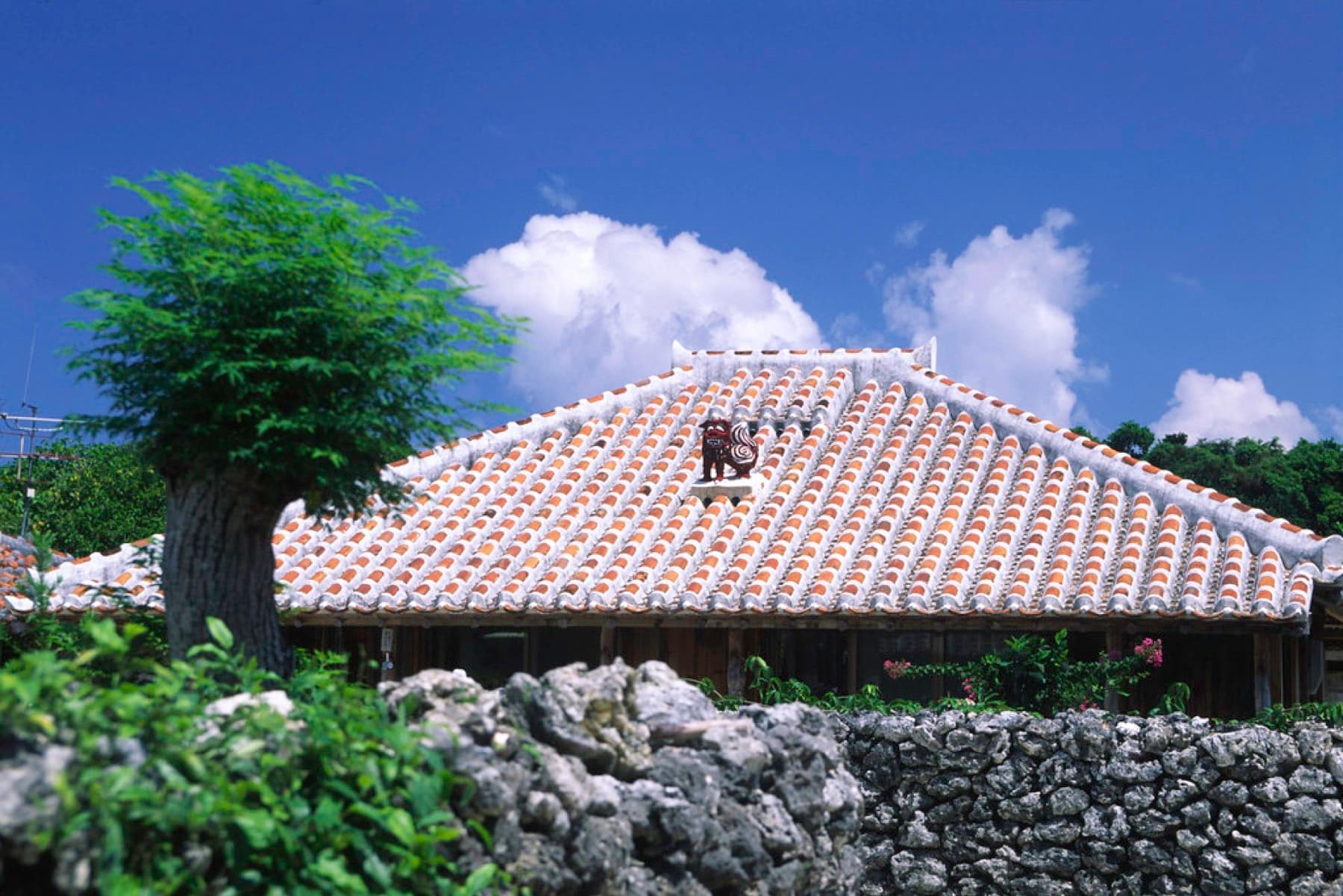
Commoners were not allowed tiled roofs under the kingdom, so shisa only appeared on ordinary houses after the Meiji era. Plasterers built many of them from broken roof tiles set in lime mortar, and potters in Tsuboya made many more. A pair is common: by one account the open-mouthed male on the right invites good fortune and the closed-mouthed female on the left keeps trouble out. Others dispute which is which. As concrete replaced red-tile roofs, ceramic shisa moved down to gateposts.
Visiting with care
A shisa guards a house or a village against harm, and families treat theirs as a protector.
- Shisa on roofs, gates and village squares belong to homes and communities; look and photograph from the street
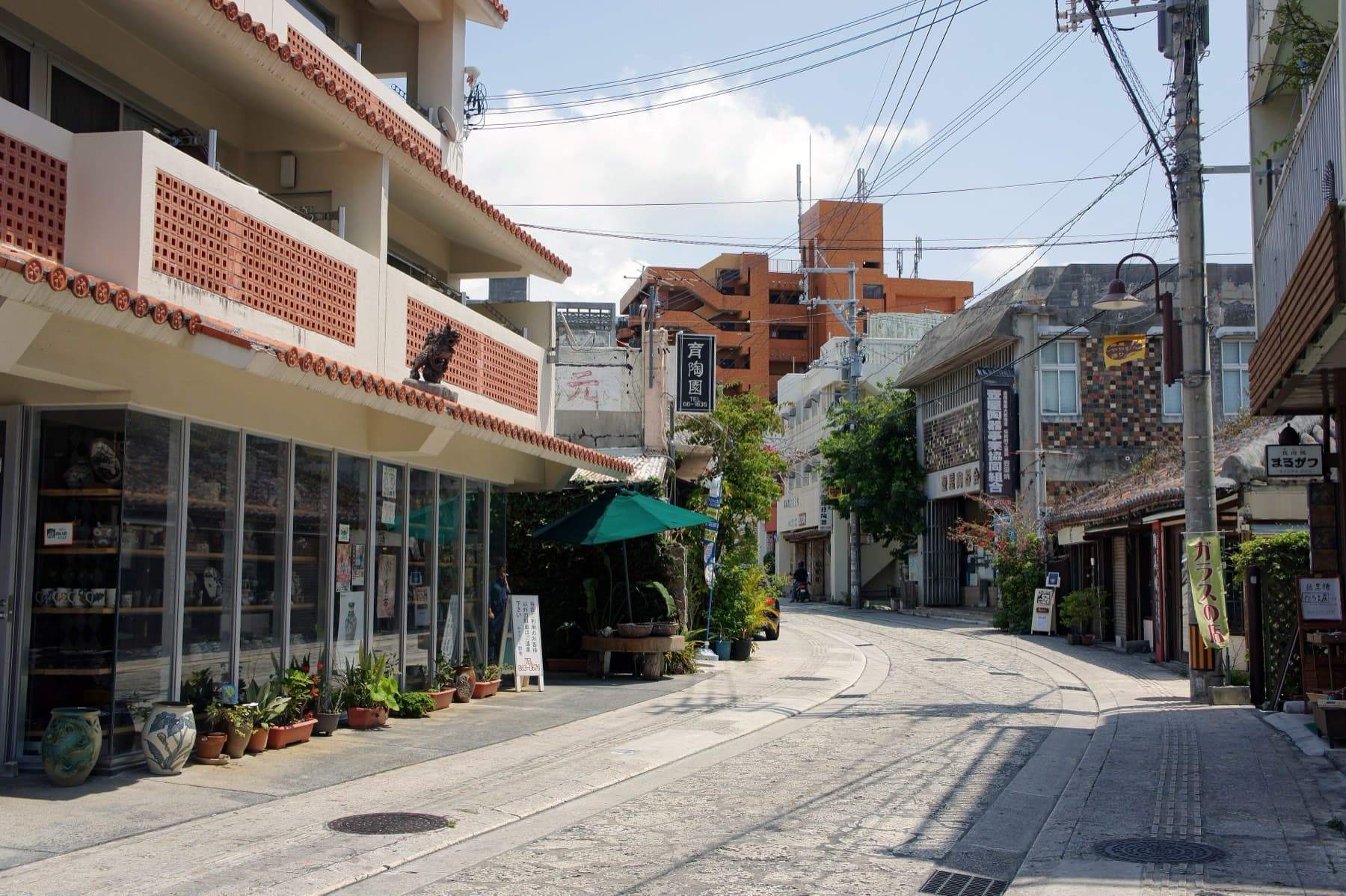
- The large Tsuboya Ufu Shisa in Tsuboya, Naha, stands in public and is free to see
- Don't climb walls or gates to get closer to a roof shisa
- Leave offerings at village shisa untouched
Worth knowing
- The Tsuboya Ufu Shisa is a giant Tsuboya-ware shisa set up on 9 February 2013, and it sprays mist from its mouth at intervals; press the button on its sign for a commentary in the Okinawan language.
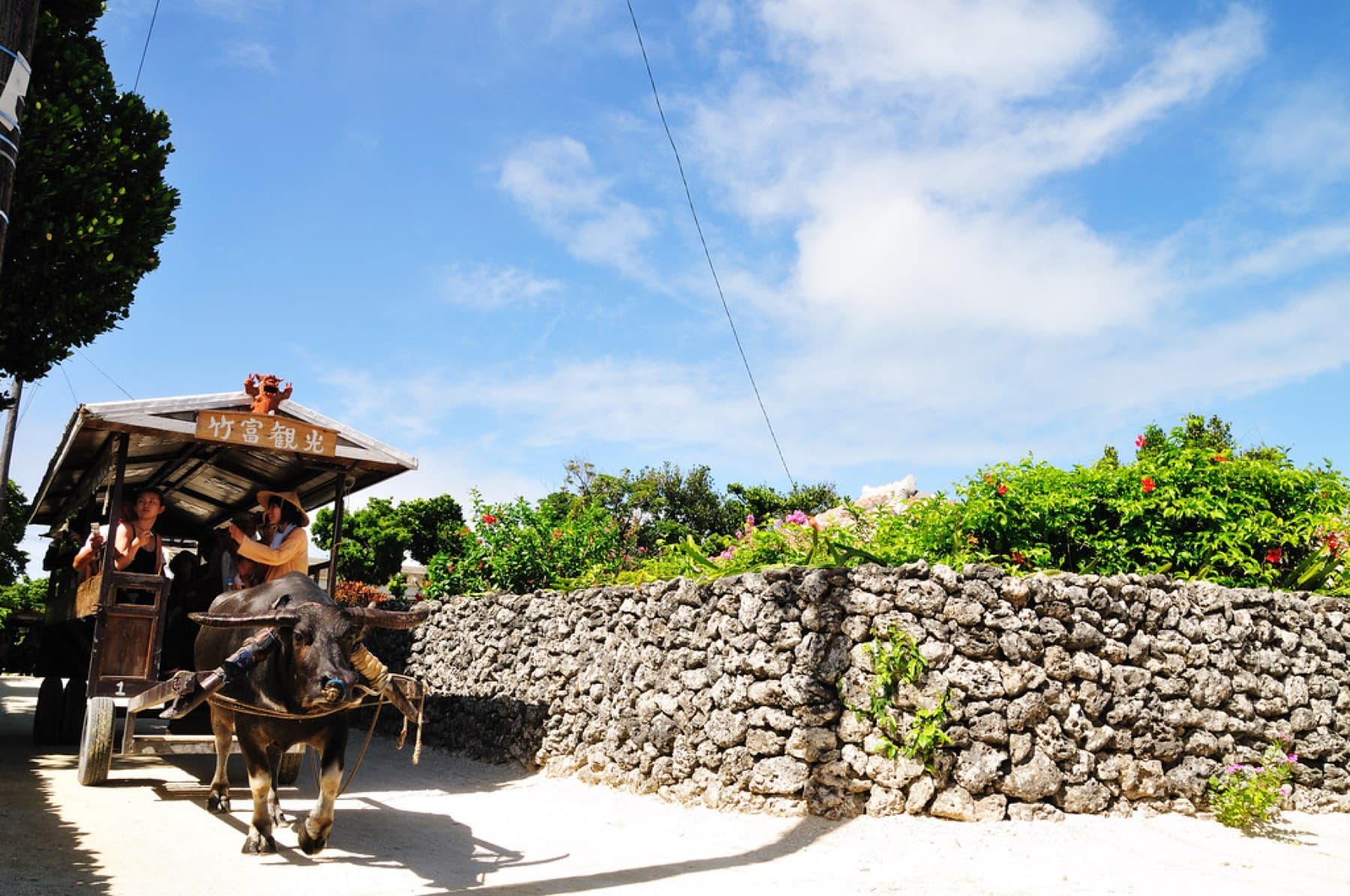
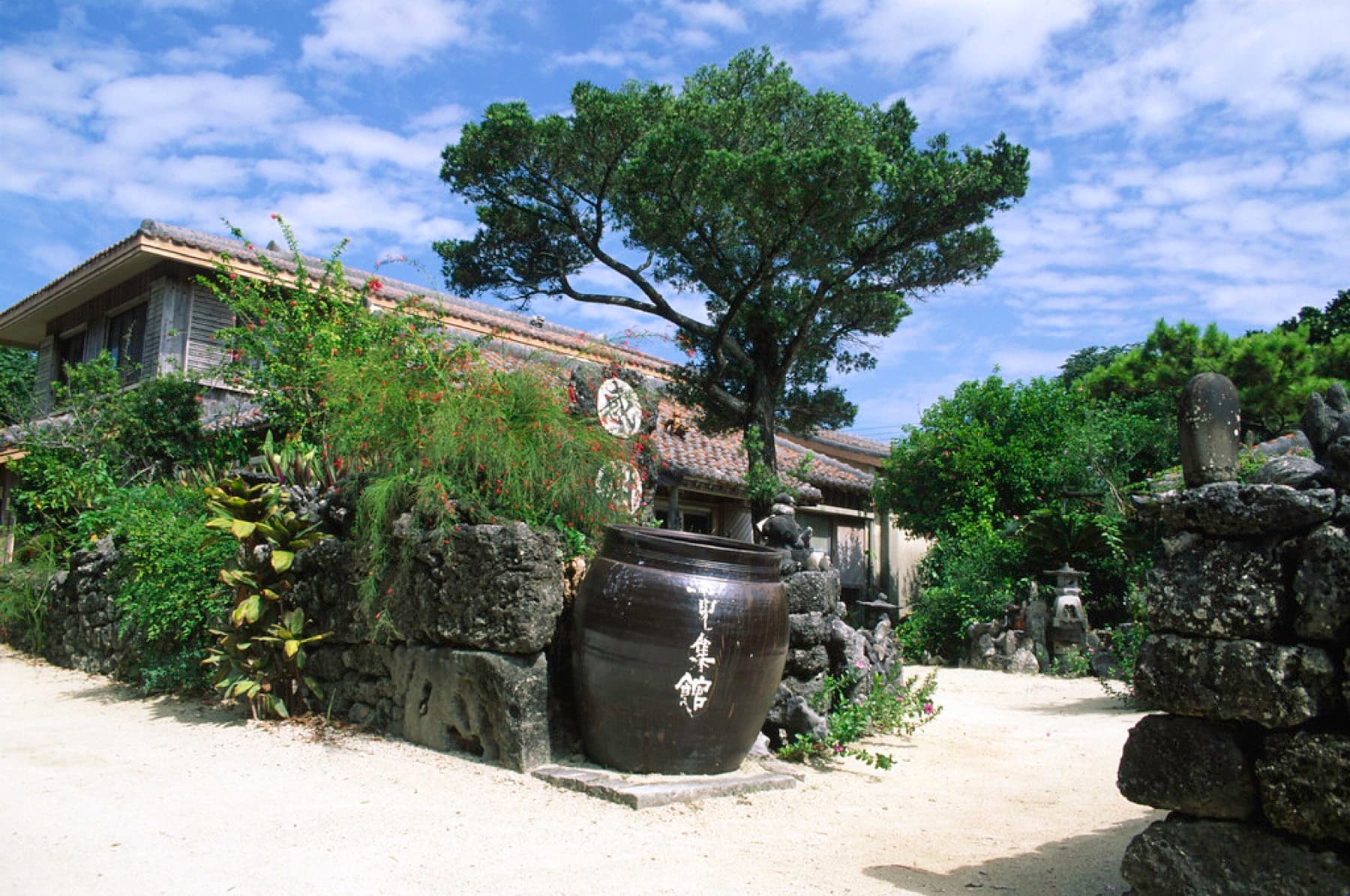
- Look up as you ride through Taketomi village to spot shisa on the red-tile roofs.
Go and see
Where to see Shisa場所


FAQ
Quick answers about Shisaよくある質問
What is a shisa in Okinawa?
A shisa is a lion-dog guardian set on roofs, gateposts and village entrances in Okinawa to ward off evil. Pairs are common, with one open mouth and one closed.
What is the oldest shisa in Okinawa?
The stone lion of Tomimori in Yaese is held to be the oldest village shisa in Okinawa. Villagers set it up in 1689 and turned it toward Mount Yaese to stop a run of fires.
How should you behave at Shisa?
At Shisa: Don't climb walls or gates to get closer to a roof shisa. Leave offerings at village shisa untouched.