Utaki
御嶽Utaki, Ugan, OnPracticeFrom before the Ryukyu Kingdom to the present
An utaki is a sacred grove or prayer site of the Ryukyu islands where communities honour their ancestral and village gods, and other islands call the same places ugan, on or wan. Most still hold rites, and visitors must stay out of the innermost space called the ibi. Behave as you would at someone's family altar: dress modestly, stay out of marked areas, keep cameras down and take nothing away.
Utaki is the general word for the sacred places scattered through the Nansei Islands, and the names change with the island: ugan, on, wan or waa. Ishigaki City's education board explains that an utaki is different in character from a Shinto shrine or a Buddhist temple. The gods honoured there are the ancestral spirits who protect the village, the gods tied to the founding of an island or village, gods of good harvests and gods of safe voyages. At the heart of most utaki lies the ibi, where the god comes down. It can be an empty space, a great rock, a sacred tree or a grave, and men are generally forbidden to enter it.
Under the Ryukyu Kingdom the priestesses formed an organization with the Kikoe-okimi at its head, and women led the rites. Some sites served the state, and the Kikoe-okimi was installed at Sefa-utaki in Nanjo. Before leaving Shuri Castle the king prayed at the stone gate of Sonohyan-utaki. Nakagusuku keeps eight prayer sites inside its walls, and two of them face toward Shuri and toward Kudaka Island.
Most utaki belong to a single village, and on Kudaka the islanders point out that places where there seems to be nothing all carry meaning. Many sites welcome respectful visitors, and a few limit access to protect the worship. Sefa-utaki closes to everyone for three days twice a year and keeps a fence across the entrance to Sangui. On Kudaka Island, Fubo-utaki is closed all year and the island asks visitors to stay out of other prayer sites at certain times. Ogami Island off Miyako keeps most of its land outside the village closed to outsiders.
Visiting with care
An utaki is a living place of worship, and its rules come from the community that tends it.
- Never enter the ibi, the innermost sacred space of an utaki; men are generally forbidden to enter it, and visitors should stay out entirely
- Some utaki close completely on ritual days or for set rest periods, such as Sefa-utaki on the 1st–3rd of the fifth and tenth lunar months
- Take nothing away; stones, sand, coral and plants belong to the site
- Don't eat or drink inside the grove
- Park away from the narrow lanes that lead to village utaki, which often pass people's homes
- Dress modestly, with shoulders and stomach covered
- Keep the camera down, and never pose with your back to a prayer site, which turns your back on the sacred space
- If someone is praying, wait quietly at a distance until they finish
- Leave offerings and incense untouched
- Stay away during village festivals such as the harvest rites, when visits may not be possible
Worth knowing
- Read the lunar calendar before planning visits; many rites follow it, so festival dates move each year.
- A local guide adds the meaning you can't see; Nanjo's volunteer guides lead walks at Sefa-utaki, and Kudaka has its own guides.
- Keep food in your bag; Sefa-utaki bans food and drink inside, and the same courtesy suits any grove.
Go and see
Where to see Utaki場所


Sefa-utaki
Chinen · South
Culture


Sonohyan-utaki Stone Gate
Shuri · Naha
Culture
Sacred sites of Kudaka Island
Nanjo · Kudaka-jima
Culture
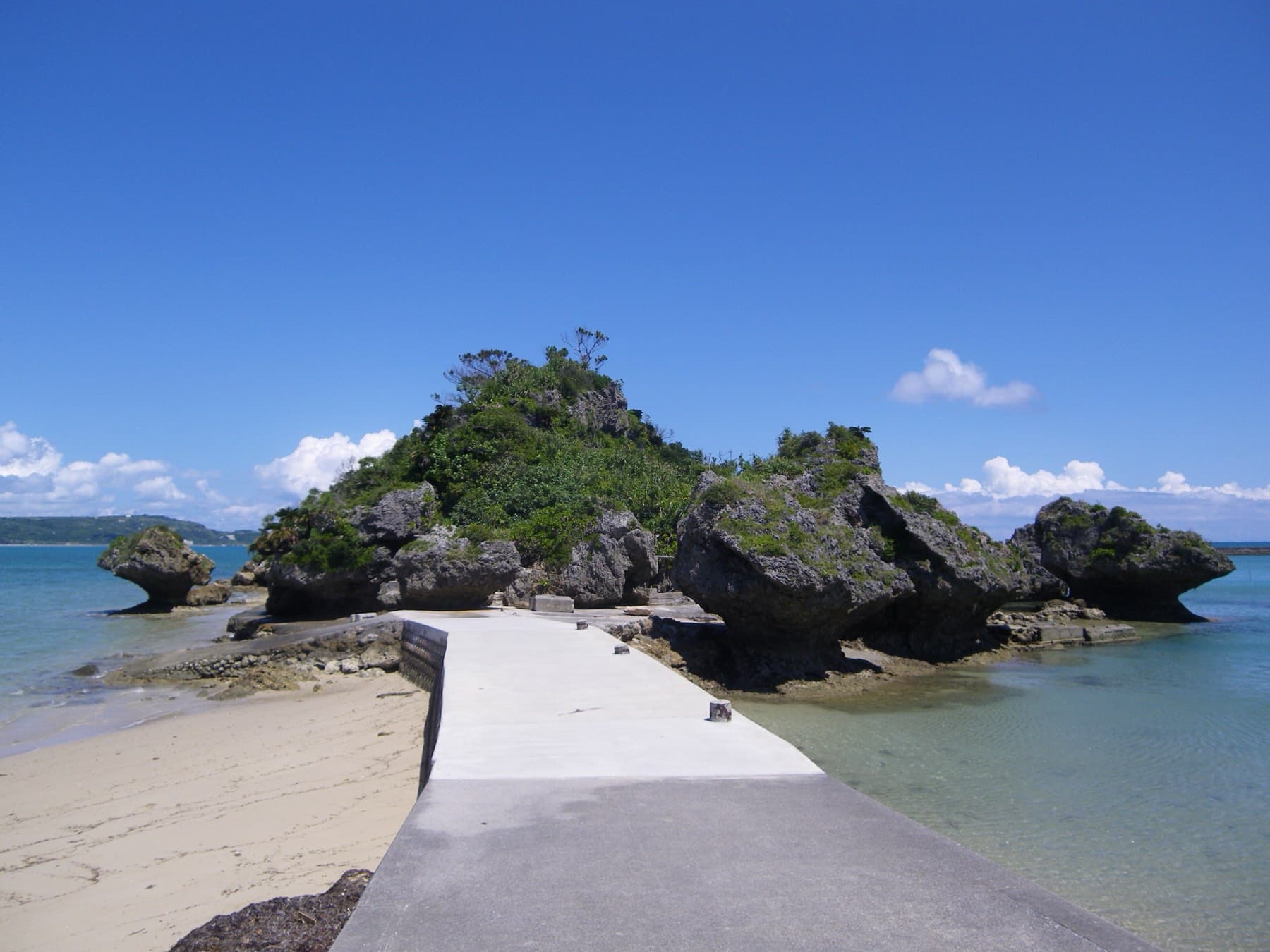
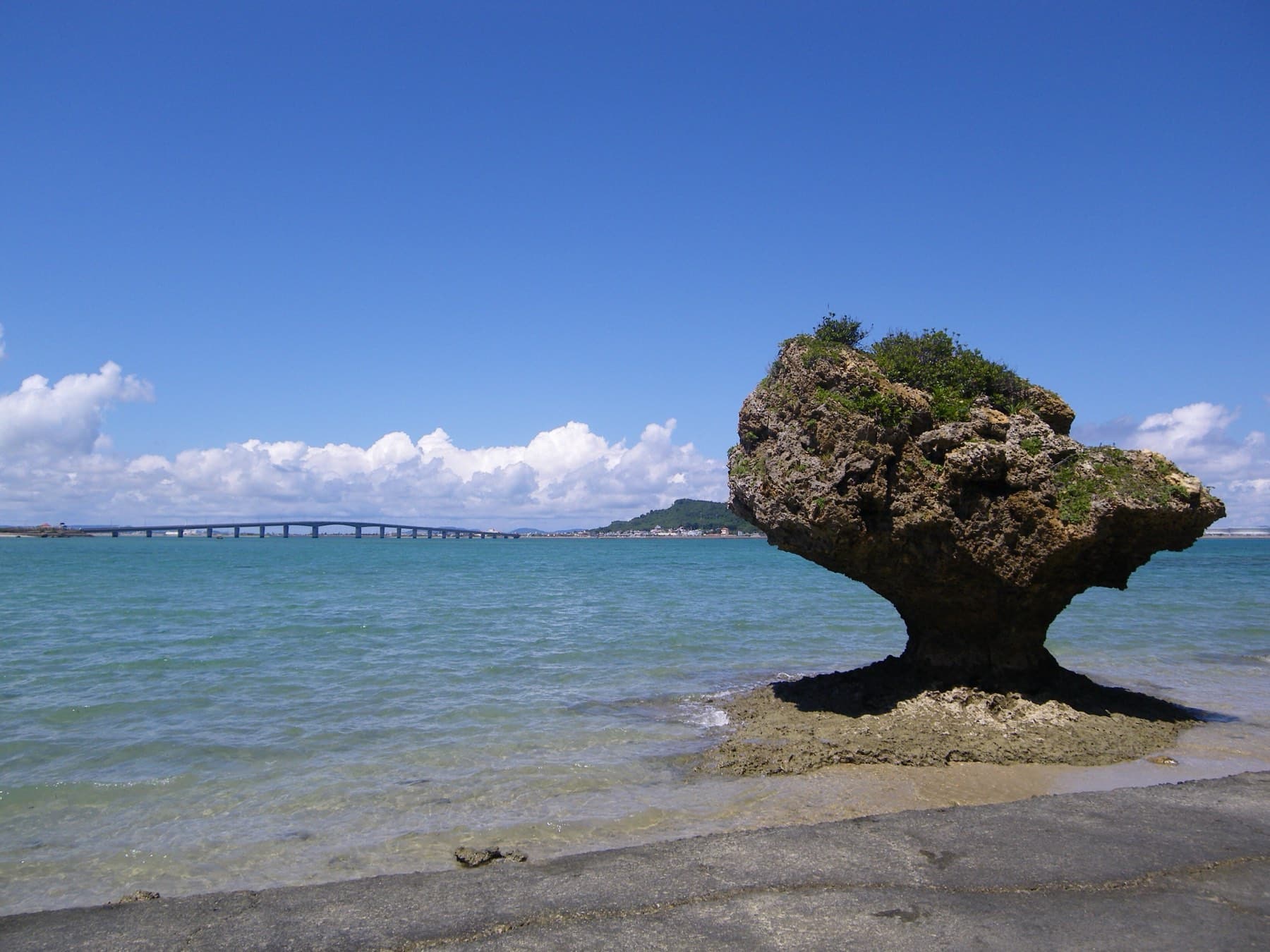

Sacred sites of Hamahiga
Uruma · Hamahiga-jima
Culture
Ogami Island
Ogami
Culture
On of Yaeyama
Ishigaki City · Ishigaki-jima
Culture


Nakagusuku Castle
Nakagusuku · Central
Culture


Nakijin Castle
Nakijin · Motobu
Culture
FAQ
Quick answers about Utakiよくある質問
What is an utaki in Okinawa?
An utaki is a sacred grove or prayer site in Okinawa and the Ryukyu islands where communities honour ancestral and village gods. Many are still in use, and their innermost space, called the ibi, is closed to visitors.
Can tourists visit utaki in Okinawa?
Yes. Many utaki in Okinawa accept respectful visitors. Some charge admission and close on ritual days, such as Sefa-utaki, and others are closed entirely, such as Fubo-utaki on Kudaka Island.
How should you behave at an utaki?
At an utaki, dress modestly and keep your voice and your camera down, especially near people praying. Don't enter the ibi or any roped-off area, and take nothing away.
How should you behave at Utaki?
At Utaki: Dress modestly, with shoulders and stomach covered. Keep the camera down, and never pose with your back to a prayer site, which turns your back on the sacred space. If someone is praying, wait quietly at a distance until they finish. Leave offerings and incense untouched. Stay away during village festivals such as the harvest rites, when visits may not be possible.