Sata andagi
サーターアンダギーSweet
Sata andagi is Okinawa's fried sugar doughnut. The dense dough of flour, egg, sugar and baking powder cracks open in the oil like a laughing mouth, and MAFF calls it the most popular sweet in the prefecture; market stalls in Naha fry it all day, plain or made with kokuto black sugar.
Photo Ocdp · Wikimedia Commons · CC0 and others, credited in the gallery
Where to eat Sata andagi · 10 places

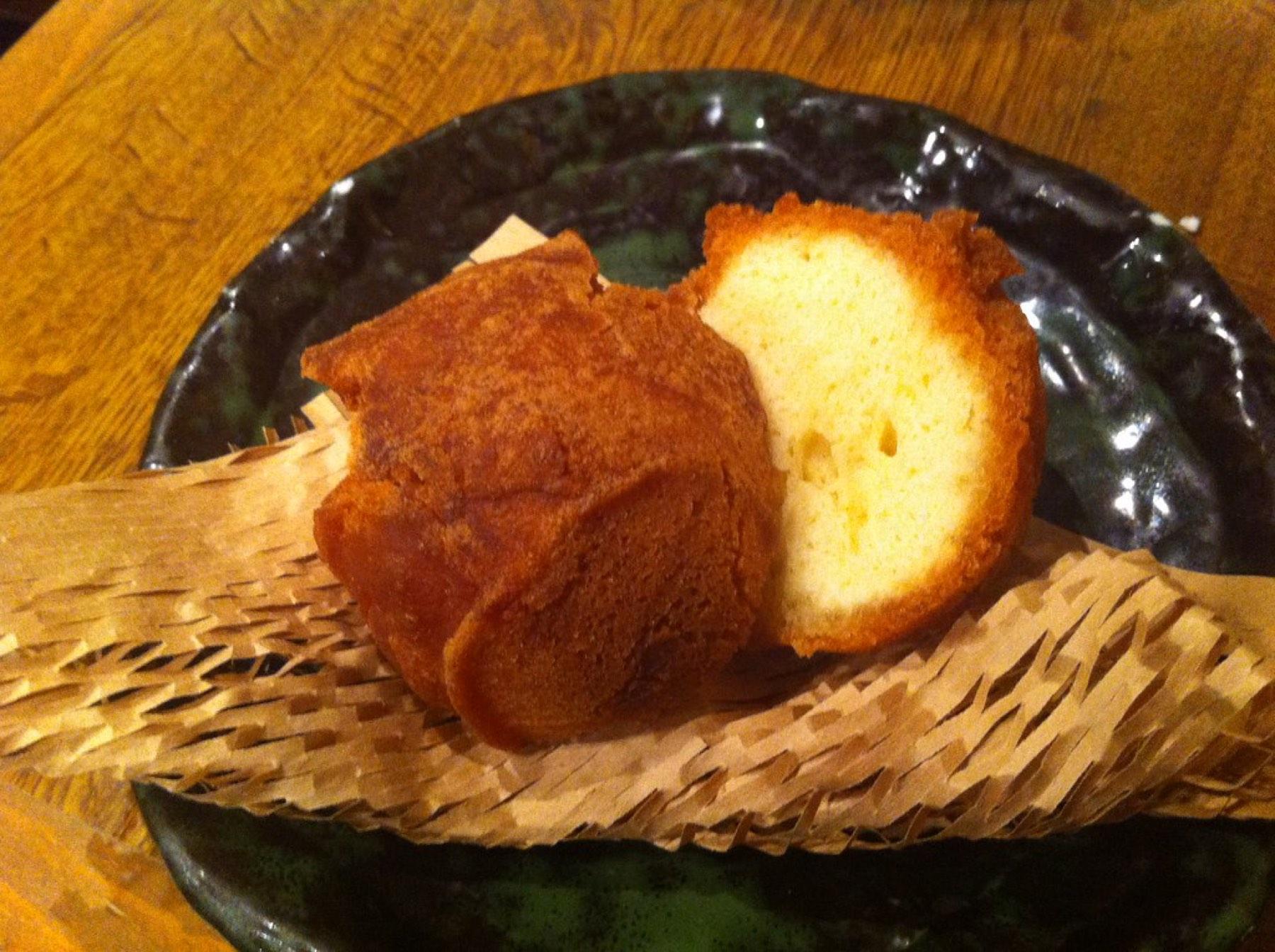



In the Shuri dialect saataa means sugar, and andaagii means something fried in oil. The dough is egg beaten with sugar until thick, folded with flour and a little baking powder, rolled into balls about 2 cm across and lowered into oil at 150–160 °C. Each ball sinks, rises, turns itself over and splits into the shape that MAFF compares to a tulip, in about four to five minutes.
Nobody has a written origin for it. Japanese Wikipedia points to the Chinese kaikoushou (開口笑), whose name means 'open mouth laughing' after the same crack, and MAFF places it among the long-keeping fried and baked sweets that Ryukyu confectioners developed under Chinese and Japanese influence. It counts as lucky, and festive versions 12 to 15 cm across turn up at weddings and in piles at betrothal gift exchanges. Funerals and memorials get stick-shaped ones.
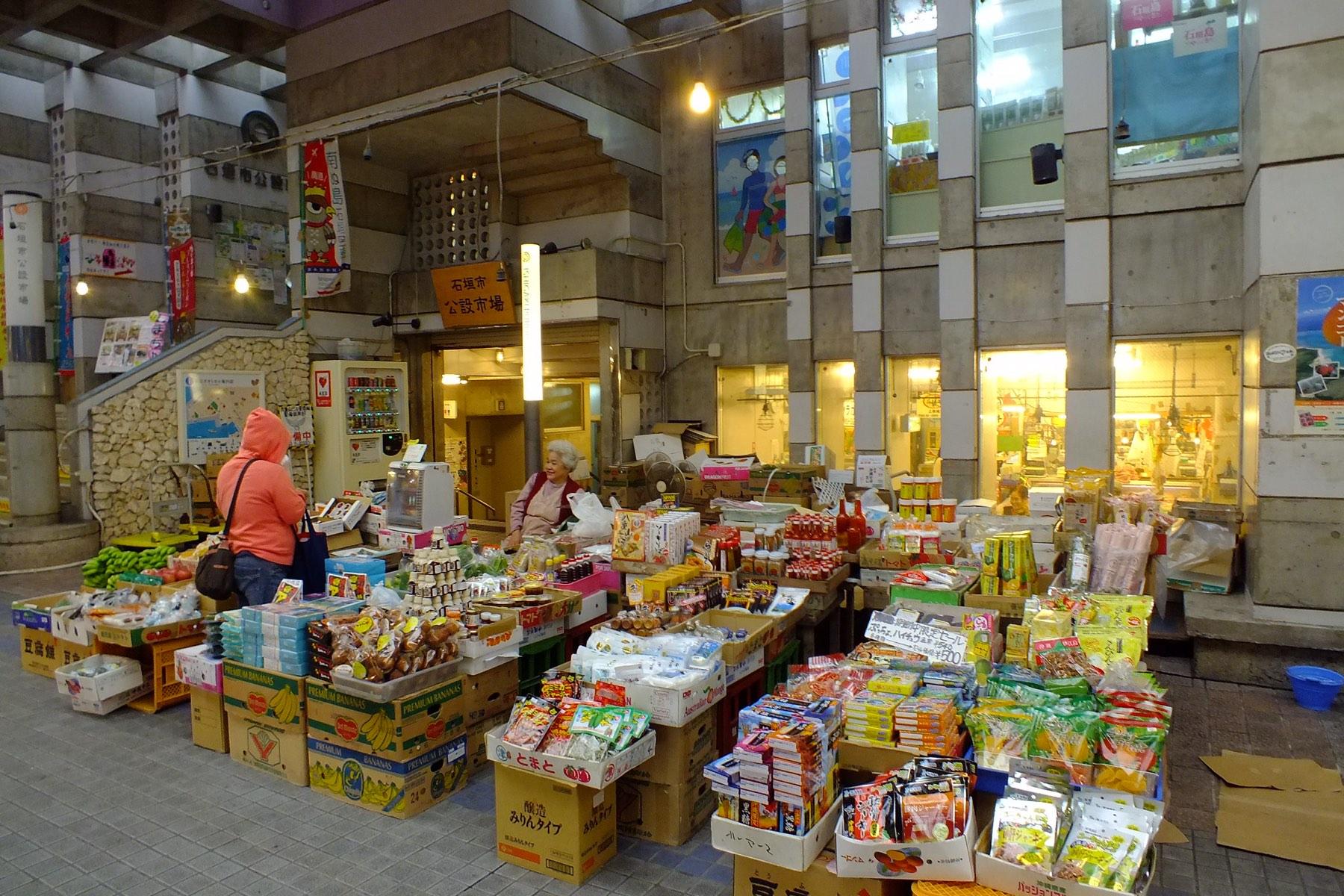
Miyako calls its version satapanpin, and Nakayukui Shoten on Irabu draws long queues for a beni-imo one with ice cream. In Naha, Ryugu fries in view in the Heiwa-dori arcade. Upstairs in the Daiichi Makishi Public Market, Ayumi sells it until it runs out, and Matsubara-ya nearby packs mixed boxes in several flavours. Up north, the Mitsuya stand inside Michi-no-eki Kyoda sells it from the morning.
Worth knowing
- Buy them warm and eat one straight away; a bag of six is heavy going on a bike.
Quick answers about Sata andagiよくある質問
What does sata andagi mean?
Sata andagi means 'sugar fried in oil' in the Okinawan language: saataa is sugar and andaagii is something deep-fried. On Miyako the same doughnut is called satapanpin.
Why does sata andagi crack open?
Sata andagi cracks open because the dense dough puffs in oil at 150–160 °C and splits as it rises and turns. MAFF compares the shape to a tulip, and the Chinese cousin kaikoushou is named 'open mouth laughing' after the same crack.
How do you order Sata andagi?
Buy sata andagi (サーターアンダギー) by the piece or in bags at market stalls and bakeries. Flavours run from plain and kokuto black sugar to beni-imo purple sweet potato and, at some stands, taro. Ask which batch is freshest, and eat it while it is still warm.
When is Sata andagi in season?
Sata andagi: Year-round.
Where can you eat Sata andagi in Okinawa?
Places we list for Sata andagi include Ayumi, Ishigaki City Public Market, Kouri-jima no Eki Sorahashi, Matsubara-ya Seika, Michi-no-eki Kyoda (Yanbaru Products Center).
Paid links
Line up the trip around Sata andagi
Some of these links pay us a commission. It costs you nothing and keeps the guide independent. How the links work
In the journal
