Awamori
泡盛Drink
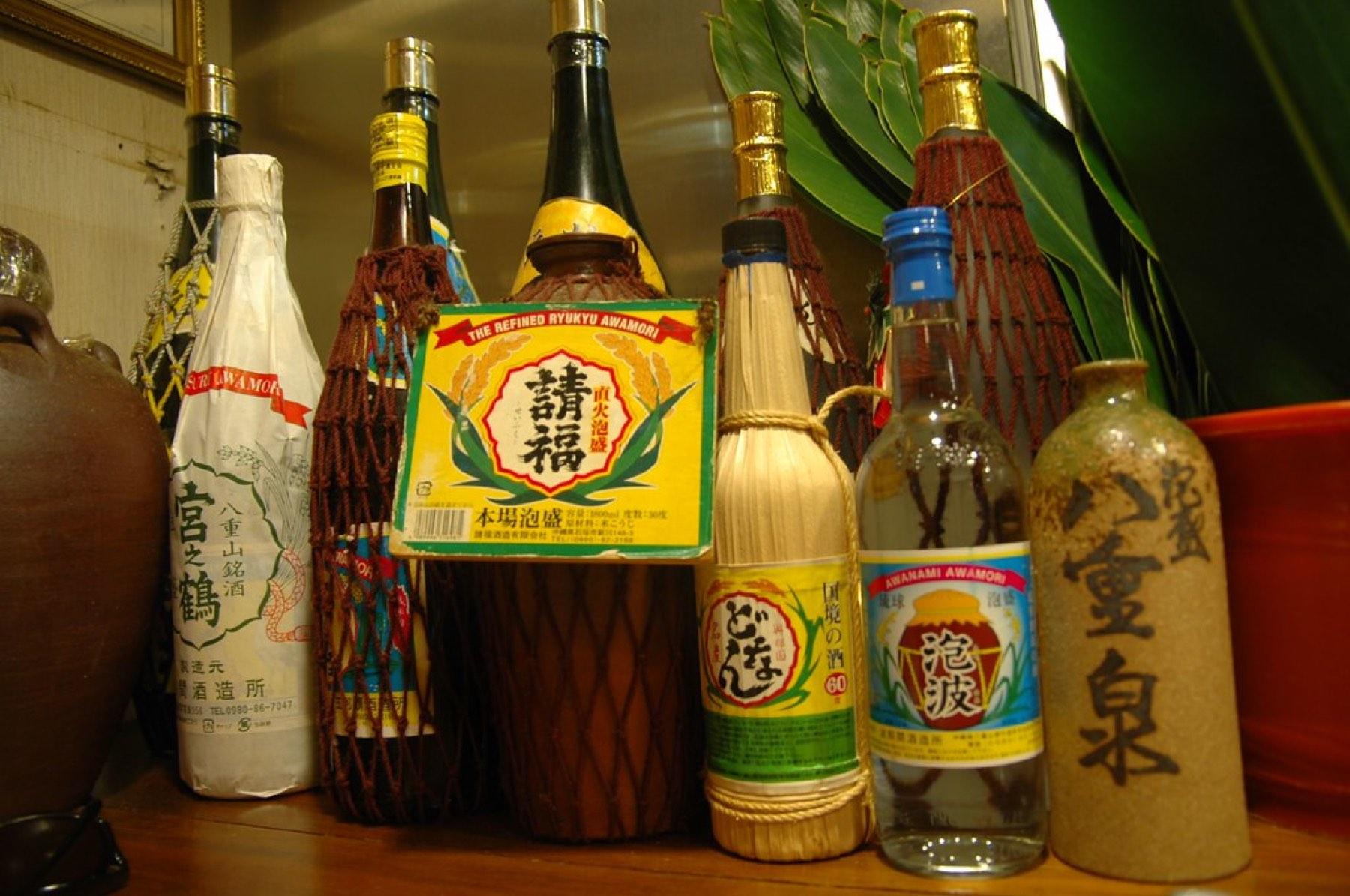
Awamori is Okinawa's own distilled spirit. Distillers turn long-grain rice entirely into black-koji rice koji, ferment it and distil it once in a pot still, and the Okinawa awamori distillers' association lists 47 distilleries from Yanbaru to Yonaguni; most people drink it mizuwari (cut with water and ice).
Photo Yuet Man Lee · Wikimedia Commons · CC BY-SA 4.0 and others, credited in the gallery
Where to eat Awamori · 22 places



Distillation reached the Ryukyus from Siam between the late 14th and 15th centuries, along with stills and storage jars, and the rice is still mostly Thai indica. Under the geographical indication 'Ryukyu', the koji must come only from rice grown with the black koji mould Aspergillus luchuensis and the water must be drawn in Okinawa. Fermenting, distilling, storing and bottling all have to happen in the prefecture too. Japan recognised the Ryukyu GI in June 1995, and 'Ryukyu Awamori' labelling followed in 2004.
The oldest record of the name is a 1671 list of gifts from King Sho Tei to the fourth shogun, Tokugawa Ietsuna; earlier shipments were written down as shochu. Nobody agrees where the word comes from. The association collects several theories, and the writer Hagio Toshiaki favours the foam theory: distillers tested a spirit by pouring it from a height and judging how long the foam (awa) lasted. Under the kingdom, licences were limited to three districts of Shuri. The war wiped out the black koji, and Sakimoto Shuzo revived it from mats that survived.
The industry is shrinking. Shipments peaked at 27,688 kL in 2004 and had fallen to 17,709 kL by 2017, the 13th year of decline. Mizuwari is the everyday drink. Neat, it traditionally goes into a small cup poured from a kara-kara jug of Tsuboya ware. Yonaguni makes hanazake at about 60%, strong enough that the law classed it as raw alcohol until a 2020 change allowed the awamori name.
Worth knowing
- Start with a 30% awamori cut with water, and ask the bar for one from the island you are on.
- On Hateruma, Awanami Saketen sells the island's scarce Awanami at one small bottle per person when stock allows.
Quick answers about Awamoriよくある質問
What is the difference between awamori and shochu?
Awamori is distilled once from rice that is all turned into black-koji rice koji, and it must be fermented, distilled, stored and bottled in Okinawa to carry the Ryukyu name. Japanese tax law classes it as single-distilled shochu, and Okinawa's distillers treat it as its own spirit.
How strong is awamori?
Awamori is usually bottled at 45% alcohol or less, since the awamori name covered only spirits up to that strength until a 2020 rule change. Naha bars pour 30% and 43% bottles, and Yonaguni's hanazake runs to about 60%.
How many awamori distilleries are there?
The Okinawa awamori distillers' association lists 47 distilleries and cooperatives across the prefecture: 12 in the north, 5 in central Okinawa, 12 in Naha and the south, 2 on Kume-jima, 6 in Miyako and 10 in Yaeyama.
How do you order Awamori?
Order awamori by the brand and the strength, and say whether you want it mizuwari (水割り, with water) or on the rocks. Straight awamori comes in a kara-kara jug with small cups for sharing, and at an awamori bar the staff will suggest a bottle if you tell them what you like.
When is Awamori in season?
Awamori: Year-round.
Where can you eat Awamori in Okinawa?
Places we list for Awamori include Awamori Soko, Awanami Saketen, Benriya Yuriron, Goya, Helios Pub Craft Beer & Rum.


Paid links
Line up the trip around Awamori
Some of these links pay us a commission. It costs you nothing and keeps the guide independent. How the links work
In the journal
Read more about Awamori特集

Journal · 7 min read
How should you drink awamori in Naha, and where?
Okinawans drink everyday awamori mizuwari with dinner, and aged kusu comes neat in a small cup. Naha's awamori bars and the lanes of Sakaemachi Market pour both, and distilleries from Shuri to Nago let you taste at the source.
Journal · 7 min read
Where should you buy yachimun pottery, Tsuboya or Yomitan?
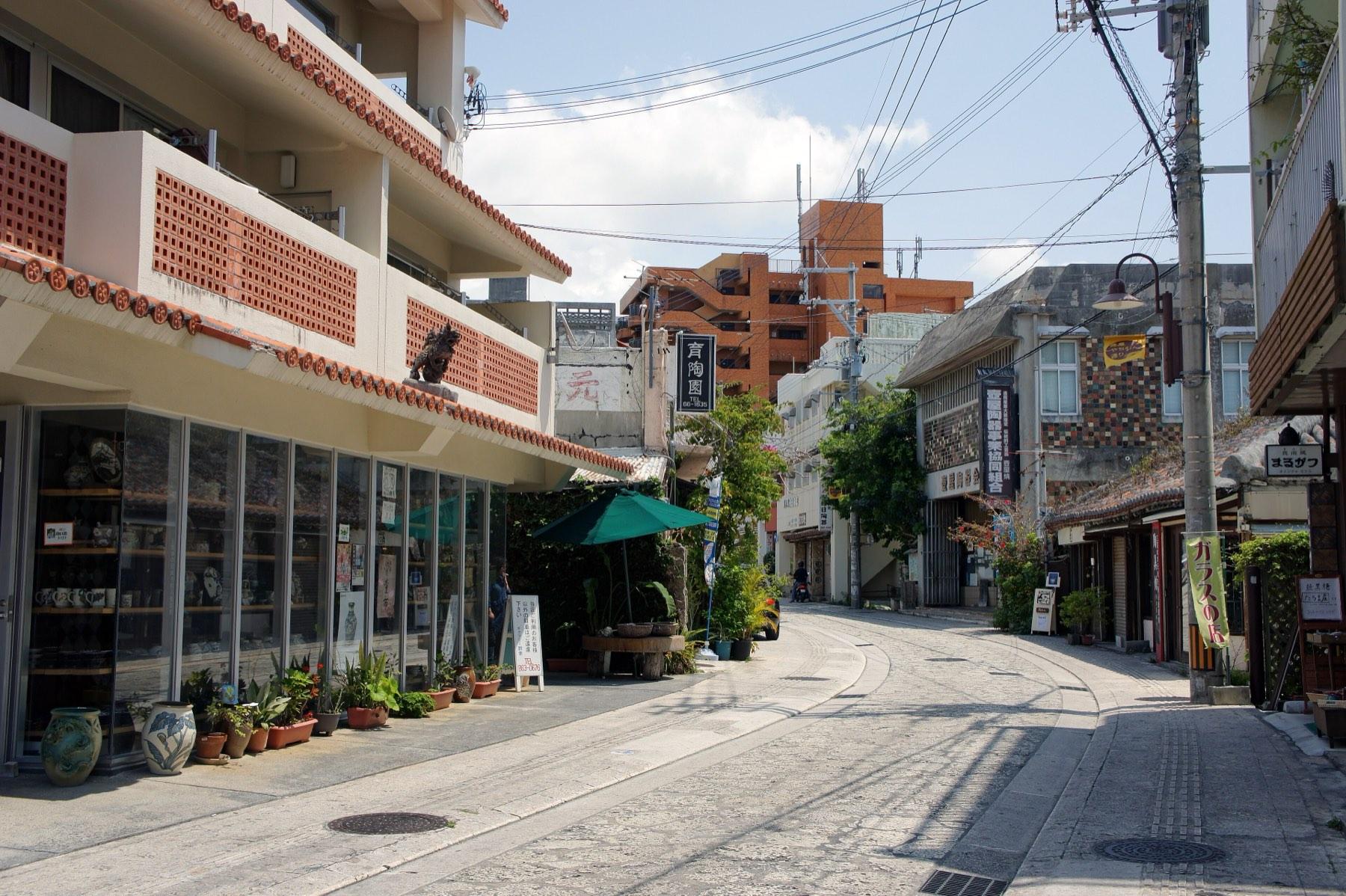
Tsuboya Yachimun Street puts about 20 pottery workshops and shops on a 400 m stone lane in central Naha. For wood-fired pieces bought at the kiln, Yomitan's Yachimun no Sato has 19 workshops, and its potters hold their yearly market on 27–28 February 2027.