Daiichi Makishi Public Market
那覇市第一牧志公設市場26°13′ N 127°41′ EMarket1.5 hours
The Daiichi Makishi Public Market in Naha is the city's fish and meat market, and since reopening in a new building in March 2023 it still lets you buy seafood on the ground floor and have it cooked upstairs for a separate fee.
Photo Abasaa · Wikimedia Commons · Public domain and others, credited in the gallery
Naha's market grew out of the black market that sprang up near the Kainan bus stop after the war, and the city gathered those stalls into the Makishi Public Market in 1950. It was rebuilt in 1972, moved to a temporary hall in 2019 and came back in a new building in March 2023. The ground floor still sells fish and meat to locals, and the second floor is given over to restaurants.
The market's shop list and its April 2026 floor map show about 75 shops on the ground floor, counting those that open onto the street round the outside, and 12 restaurants upstairs. Fish counters, butchers, pickle and dried-goods sellers and souvenir stands share the ground floor. The third floor holds the management office, a multipurpose room and a cooking classroom, and the market's site takes bookings for the two rooms.
Come hungry for mochiage, a service the market started in 1990 on the model of food halls in Singapore and elsewhere in Asia. You buy a fish at a stall downstairs and carry it up to one of the restaurants, which cooks it to suit and bills you for the cooking. Around the building the covered streets of Heiwa-dori and the Machigwa arcades run off toward Kokusai-dori, and an hour wandering them costs nothing.
Worth knowing
- Ask the fish stall how it suggests cooking what you buy before you carry it upstairs.
- The last order for mochiage cooking is 19:45, so a late lunch or early dinner works better than a night visit.
- The building has barrier-free toilets and lends wheelchairs free of charge.
Street map
Nearby地図
Distances are straight-line kilometres.
Quick answers about Daiichi Makishi Public Marketよくある質問
What is mochiage at Makishi Public Market?
Mochiage is the Daiichi Makishi Public Market's buy-downstairs, cook-upstairs system. You buy fish or meat from a ground-floor stall and a second-floor restaurant cooks it, with the cooking charged separately by the restaurant according to the dish.
When is Makishi Public Market closed?
The Daiichi Makishi Public Market closes on the fourth Sunday of each month except in December, on 1–3 January, on the first two days of the lunar new year and for two days after lunar Obon. Individual shops can take other days off.
Is there parking at Makishi Public Market?
No. The Daiichi Makishi Public Market has no parking of its own. It is about a 10-minute walk from Makishi or Miebashi stations on the Yui Rail monorail, and paid car parks sit nearby.
How long do you need at Daiichi Makishi Public Market?
Plan about 1.5 hours at Daiichi Makishi Public Market.
When is the best time to visit Daiichi Makishi Public Market?
Daiichi Makishi Public Market: Late morning on a weekday, when the fish counters are full and the second-floor restaurants have just opened. Avoid the fourth Sunday, when the building closes.
Within 12 km
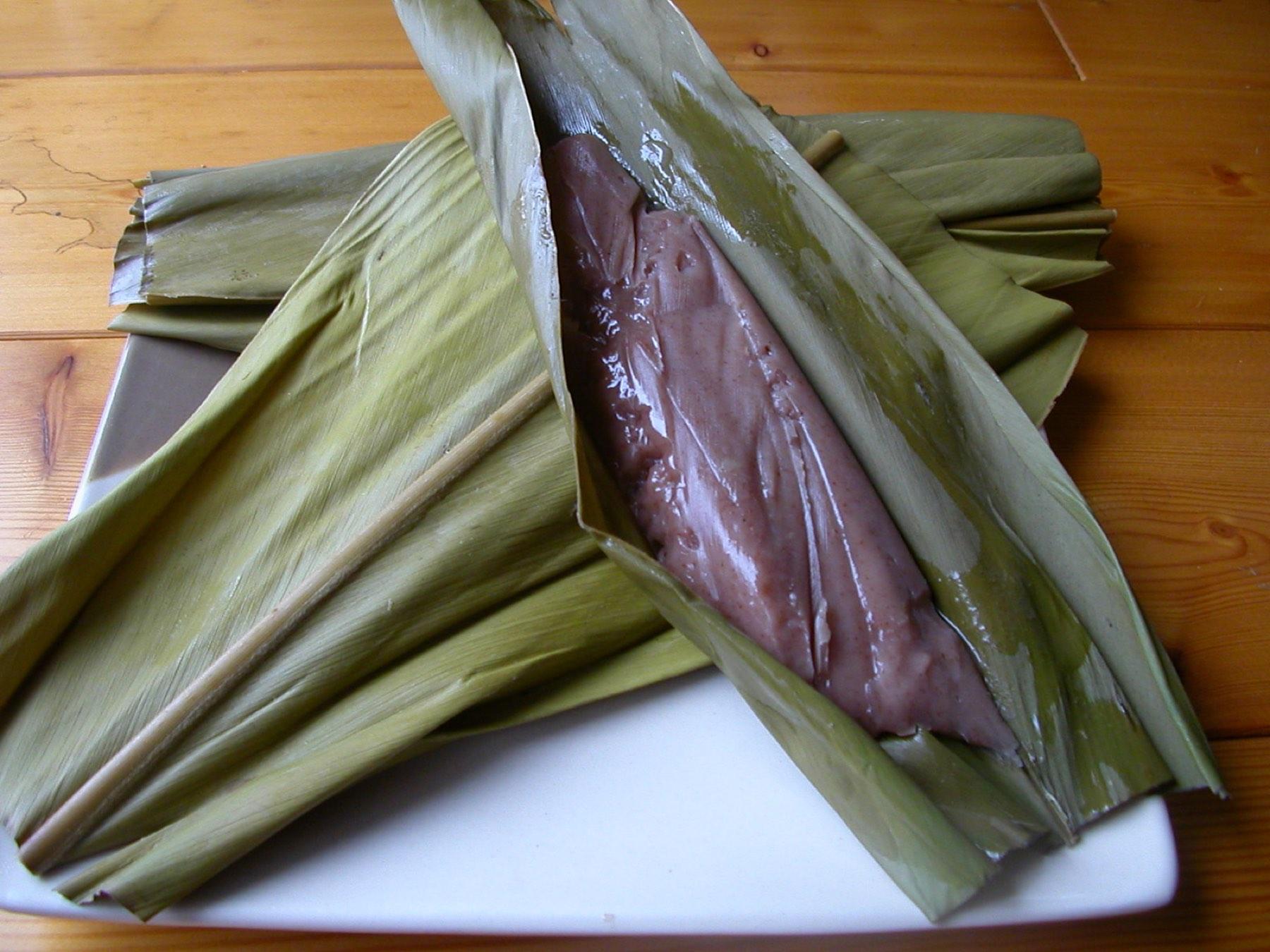
Places to eat and drink nearby食


Within 12 km
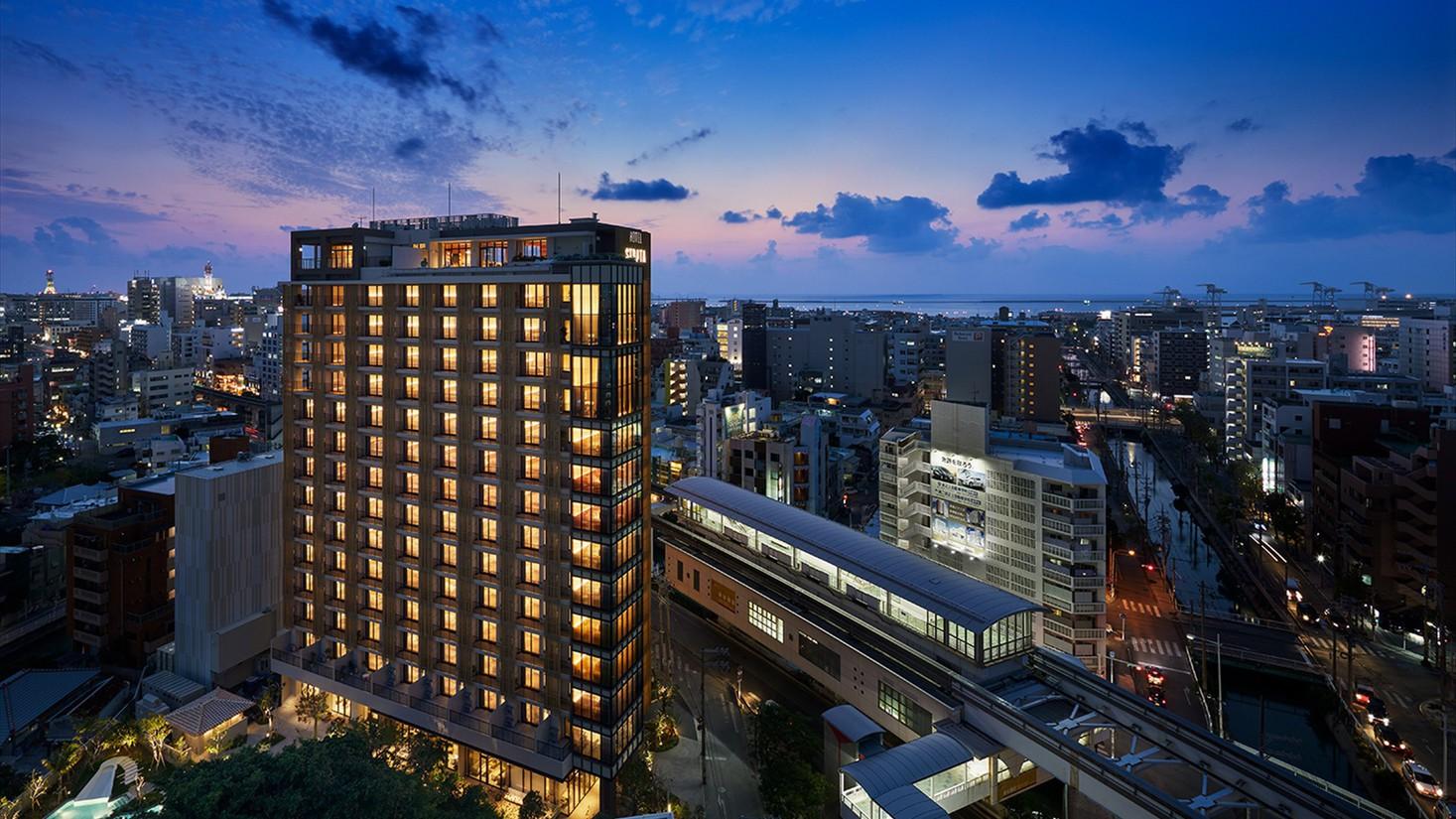
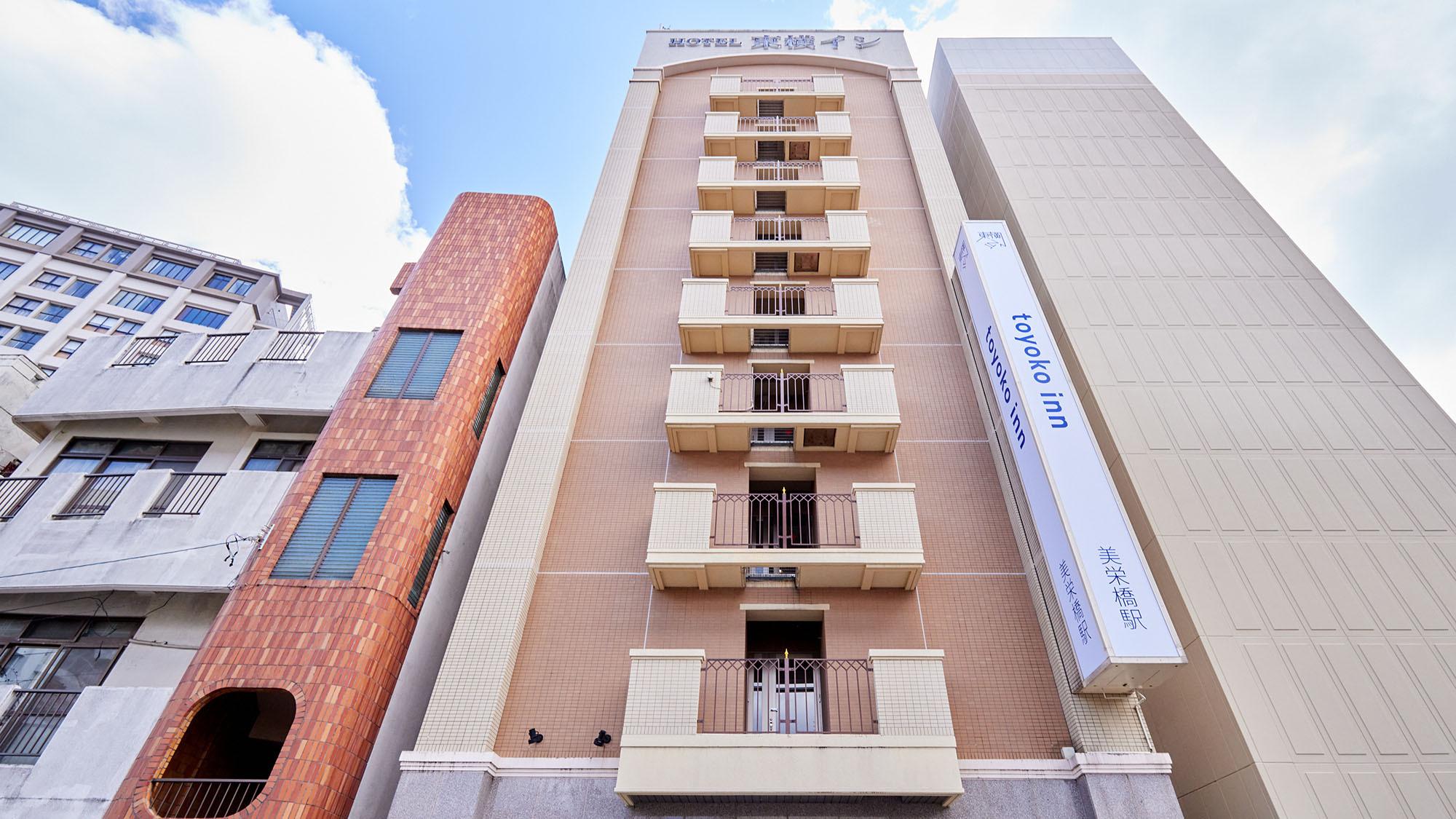
Places to stay nearby宿


Within 12 km
Sights nearby見る


Within 12 km
Culture and history nearby文化

Paid links
Line up the trip around Daiichi Makishi Public Market
Some of these links pay us a commission. It costs you nothing and keeps the guide independent. How the links work
In the journal
Read more about Daiichi Makishi Public Market特集

Journal · 6 min read
How do you eat at Makishi Public Market in Naha?
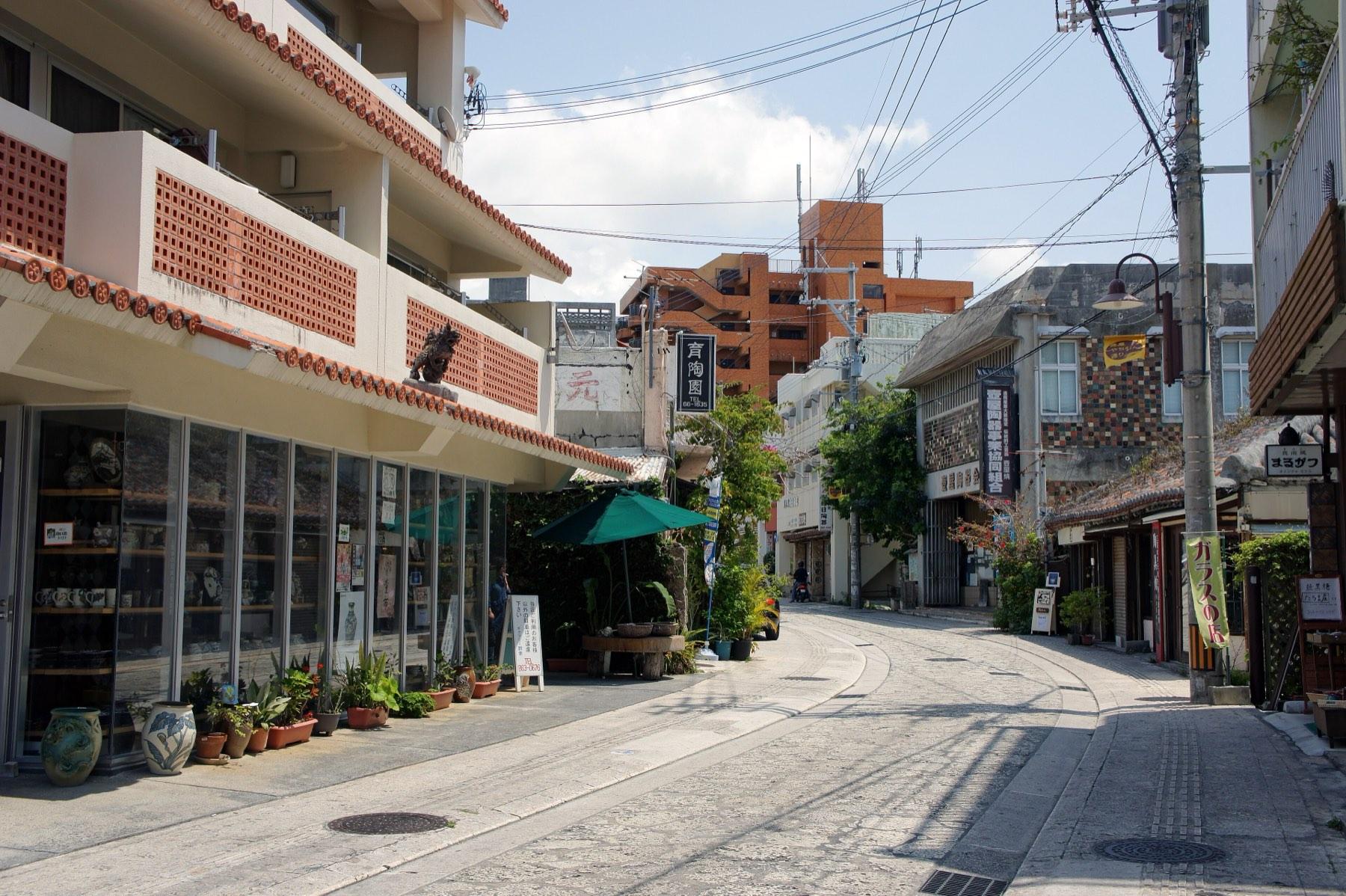
You buy fish or meat at a ground-floor stall in the rebuilt Daiichi Makishi Public Market and a restaurant upstairs cooks it for a separate charge. The covered arcades around the building hold the sweet shops and diners that make a morning of it.
Journal · 7 min read
Where should you buy yachimun pottery, Tsuboya or Yomitan?
Tsuboya Yachimun Street puts about 20 pottery workshops and shops on a 400 m stone lane in central Naha. For wood-fired pieces bought at the kiln, Yomitan's Yachimun no Sato has 19 workshops, and its potters hold their yearly market on 27–28 February 2027.