Tsuboya
壺屋Chibuya26°13′ N 127°42′ ENeighbourhood
Tsuboya is the pottery quarter of central Naha that the royal government created in 1682 by bringing three kilns together, and its stone-paved Yachimun-dori lane runs a few minutes' walk south of Kokusai-dori.
Photo 663highland · Wikimedia Commons · CC BY 2.5 and others, credited in the gallery
In 1682 the Ryukyu government gathered the kilns of Wakuta, Chibana and Takaraguchi onto one site south of Makishi, and Tsuboya became the kingdom's main pottery town. Its jars carried awamori to Edo with the Ryukyu embassies, and excavations at the Shiodome site in Tokyo have turned up Tsuboya flasks where the Date lords' mansion stood. After the war the potters were the first allowed back into Naha, and the settlement that grew up around them became the seed of the new city centre.
The Yachimun-dori lane is still lined with potteries and shops, and the Naha City Tsuboya Pottery Museum tells the story. On the north side the lanes run straight into the covered arcades of Heiwa-dori and the Makishi market, so the pots and the fish counters are a few minutes apart. MAHOWBREW brews beer here and pours it at a 12-seat taproom on Himeyuri-dori.
Bars, awamori and coffee
Drink in Tsuboya飲む
See and do
Things to do in Tsuboya遊ぶ
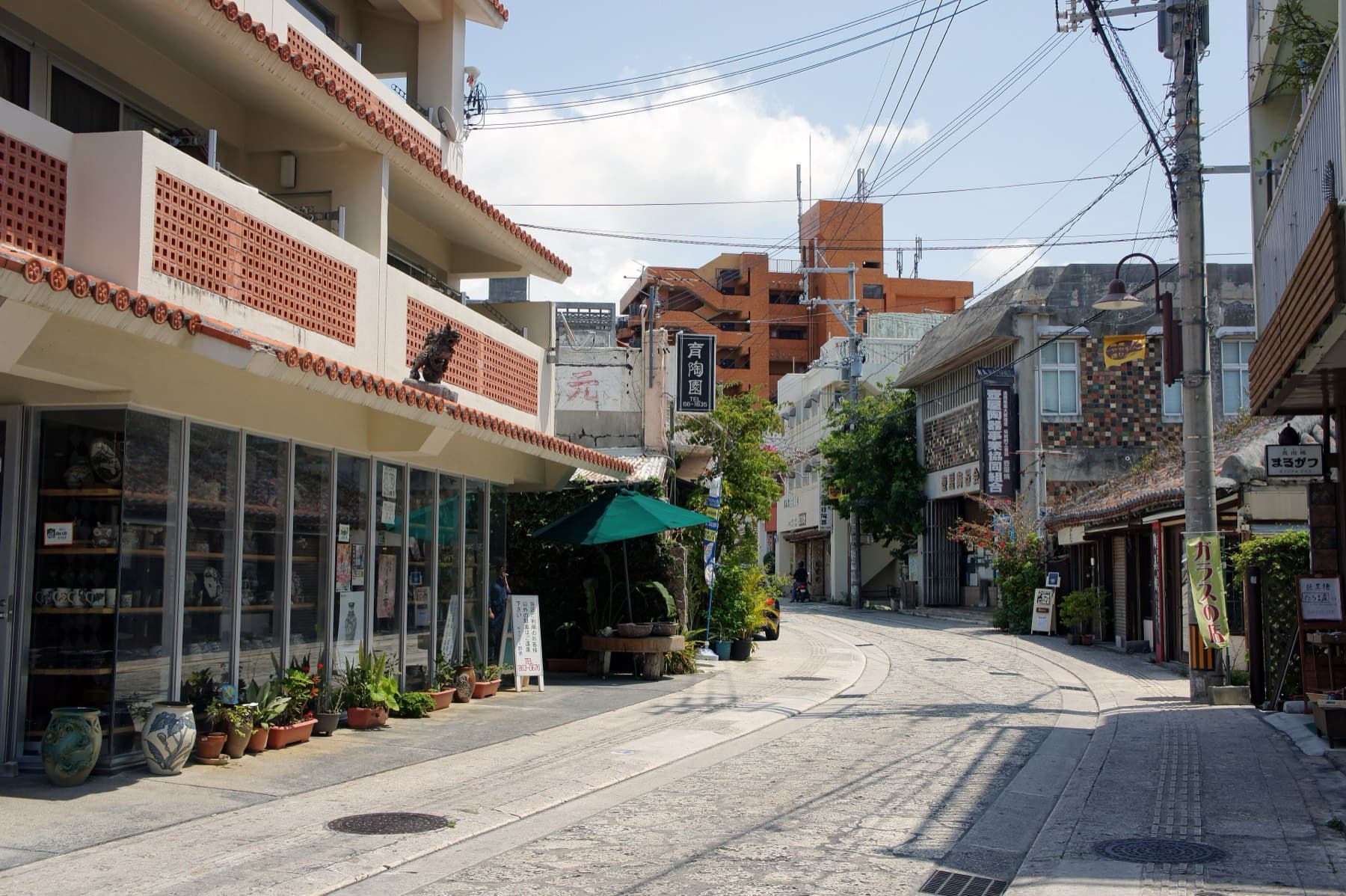
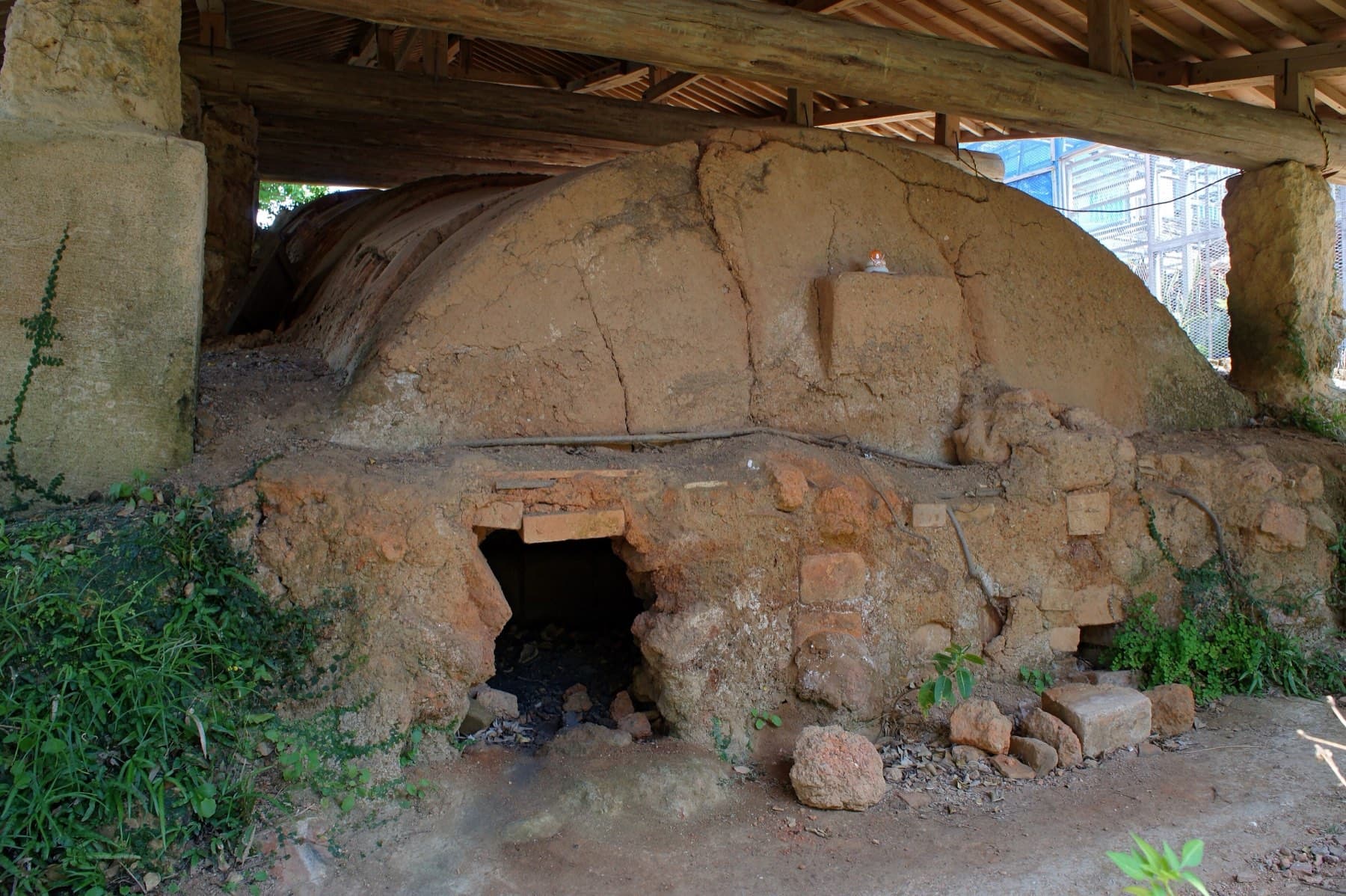


Tsuboya Yachimun Street
Tsuboya · Naha
Culture
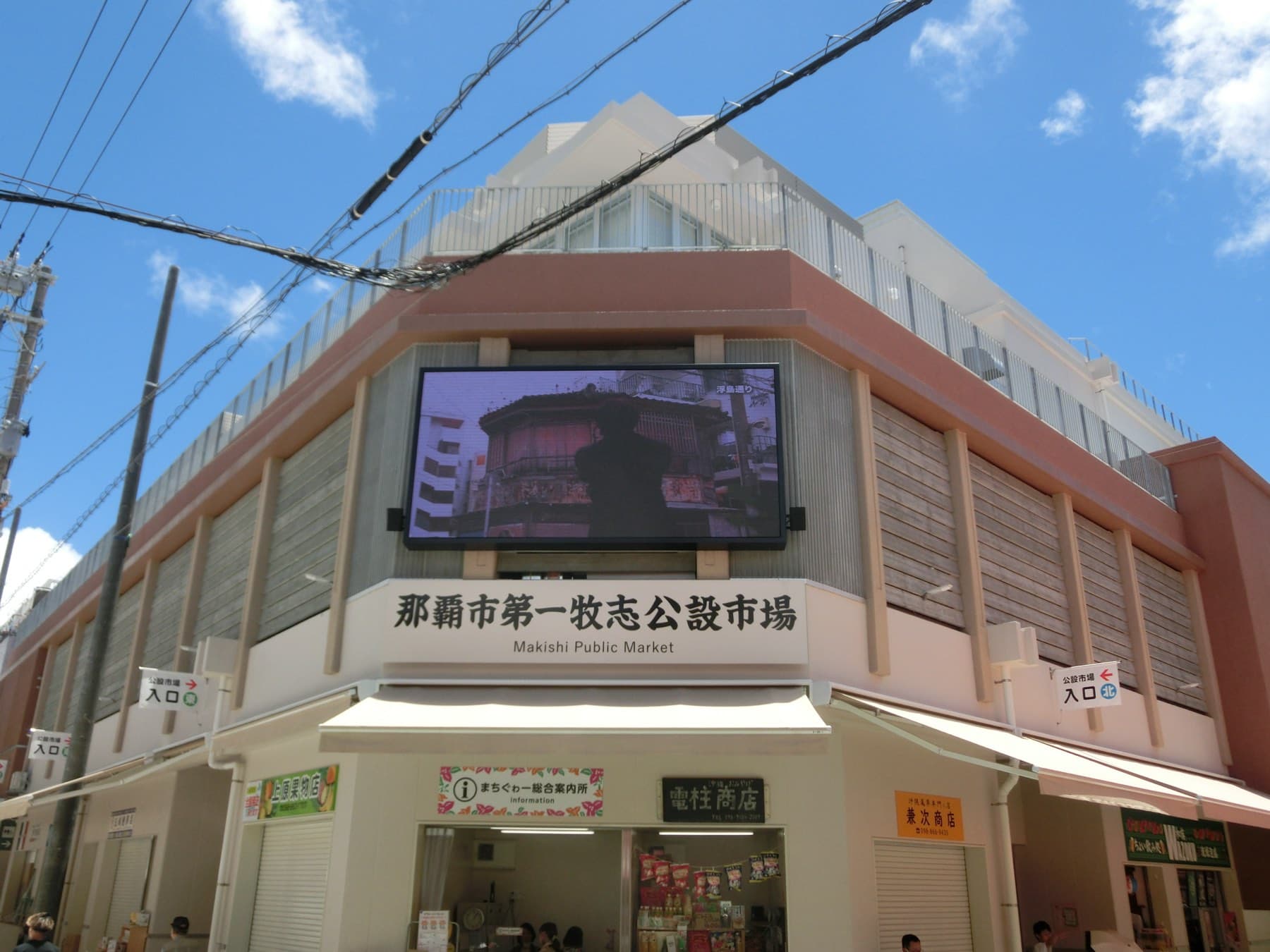
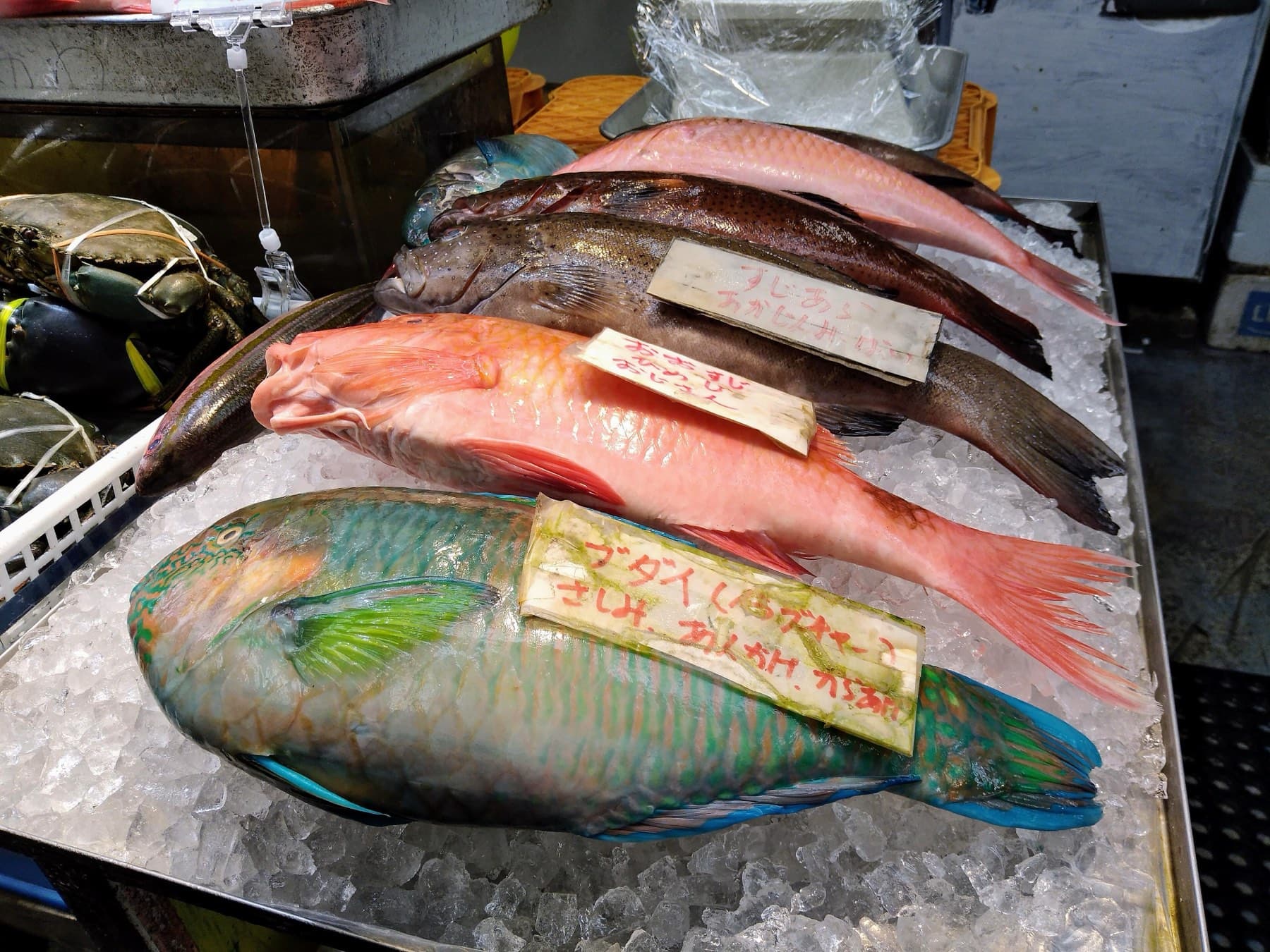
Daiichi Makishi Public Market
Makishi · Naha
Sight


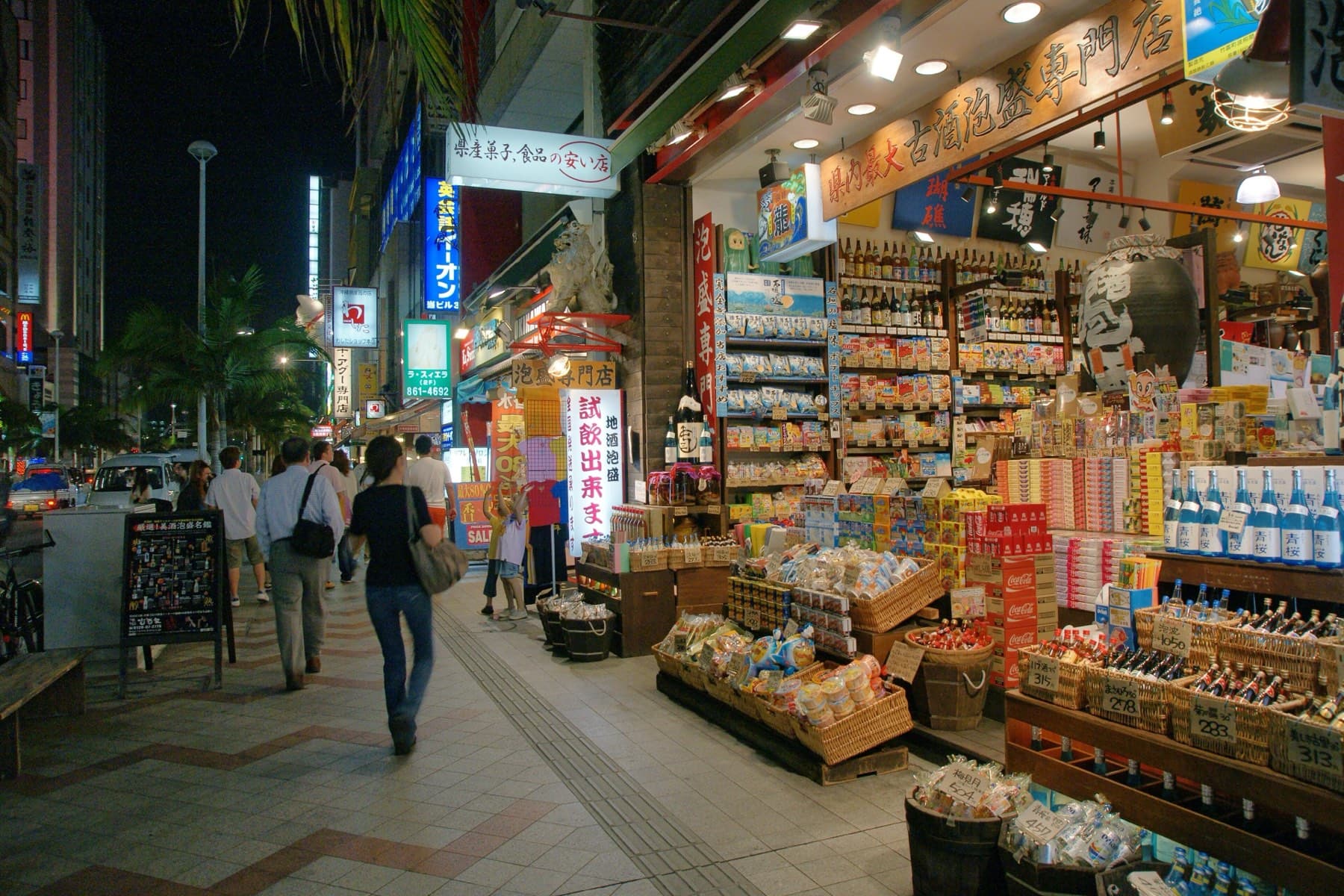

Kokusai-dori
Kokusai Dori · Naha
Sight
Naha City Tsuboya Pottery Museum那覇市立壺屋焼物博物館museum
The city museum of Tsuboya ware, on the pottery lane.
FAQ
Quick answers about Tsuboyaよくある質問
When was Tsuboya founded?
Tsuboya was founded in 1682, when the Ryukyu government merged three kilns south of Makishi village into one pottery town.
How do you get to Tsuboya Yachimun-dori?
Walk from Kokusai-dori or the Makishi Public Market through the covered arcades, or take the Yui Rail to Makishi or Asato station, both within about ten minutes on foot.
What does the name Tsuboya mean?
Tsuboya comes from the local name Chibuya, meaning the jar works. The name comes from the pottery quarter itself: in 1682, under King Sho Tei, the royal government merged the Wakuta, Chibana and Takaraguchi kilns on land south of Makishi village, and the new kiln town became Tsuboya, Chibuya in Okinawan.
Is Tsuboya a good place to stay?
Stay in Tsuboya for quiet lanes a short walk from Kokusai-dori and the markets.
Within 12 km
Stay nearby宿

Within 12 km
Beaches and swims nearby浜


Book it
Line up the trip around Tsuboya
Some of these links pay us a commission. It costs you nothing and keeps the guide independent.