Naha
那覇市26°13′ N 127°41′ ECityPop. 308,884Naha
Naha is Okinawa's capital and largest city, with about 309,000 people on 41.5 km², and it holds the main airport and the ferry ports for the outer islands.
Photo 松岡明芳 · Wikimedia Commons · CC BY-SA 4.0 and others, credited in the gallery
Who should base here
Stay in Naha for the food and the bars, and for ferries out of Tomari to the Keramas and Kume. Riders who want quiet roads will spend part of each day getting out of the city.
The name
Naafa
なーふぁFishing ground
uchinaaguchi
In Okinawan the city is Naafa or Nafa. The usual explanation, put forward by the scholar Iha Fuyu and repeated on the city's own site, takes naha from 魚場 (naha), a fishing ground. The Okinawan readings come from the University of the Ryukyus' Shuri–Naha dialect database.
SourceEat in Naha

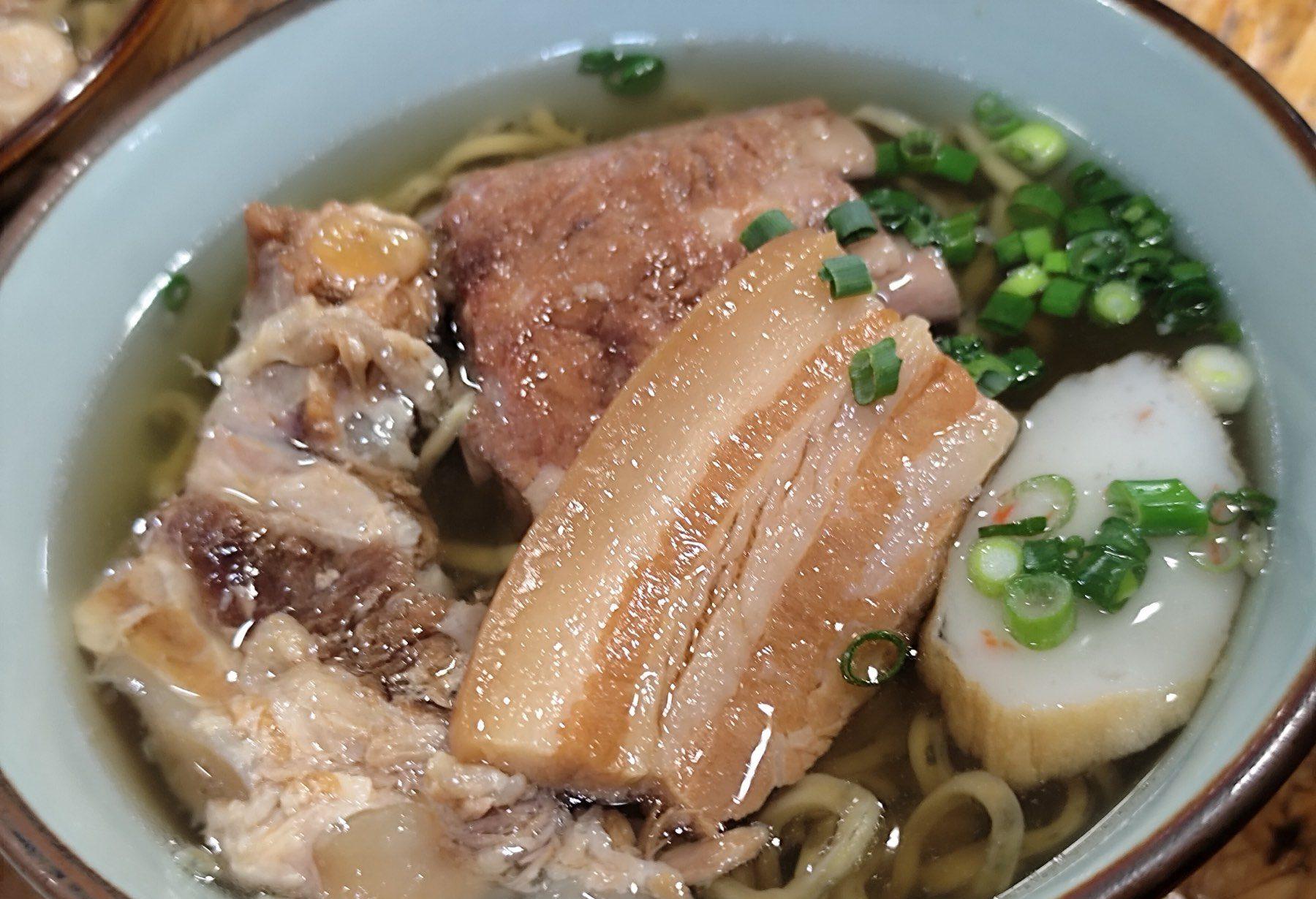

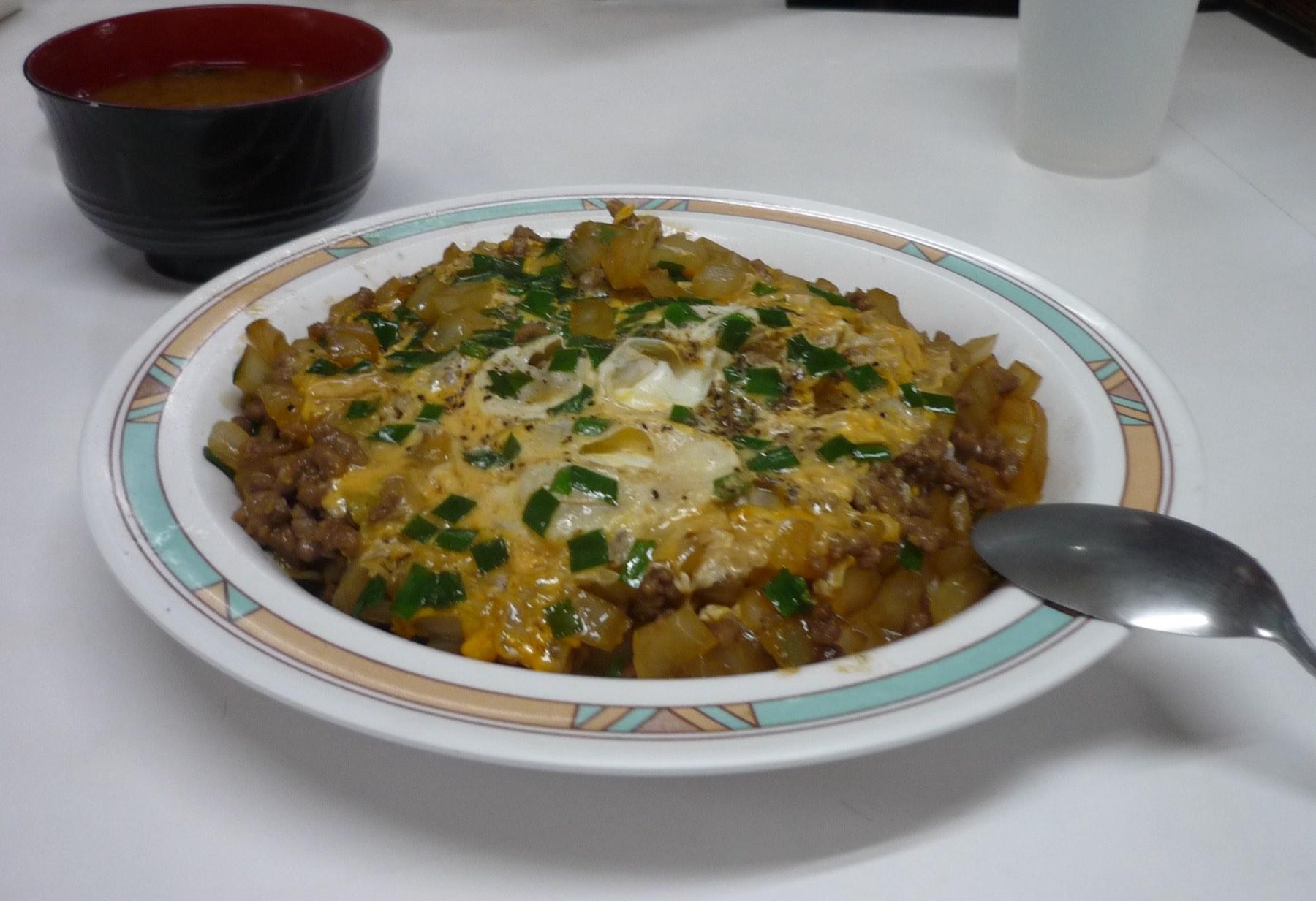
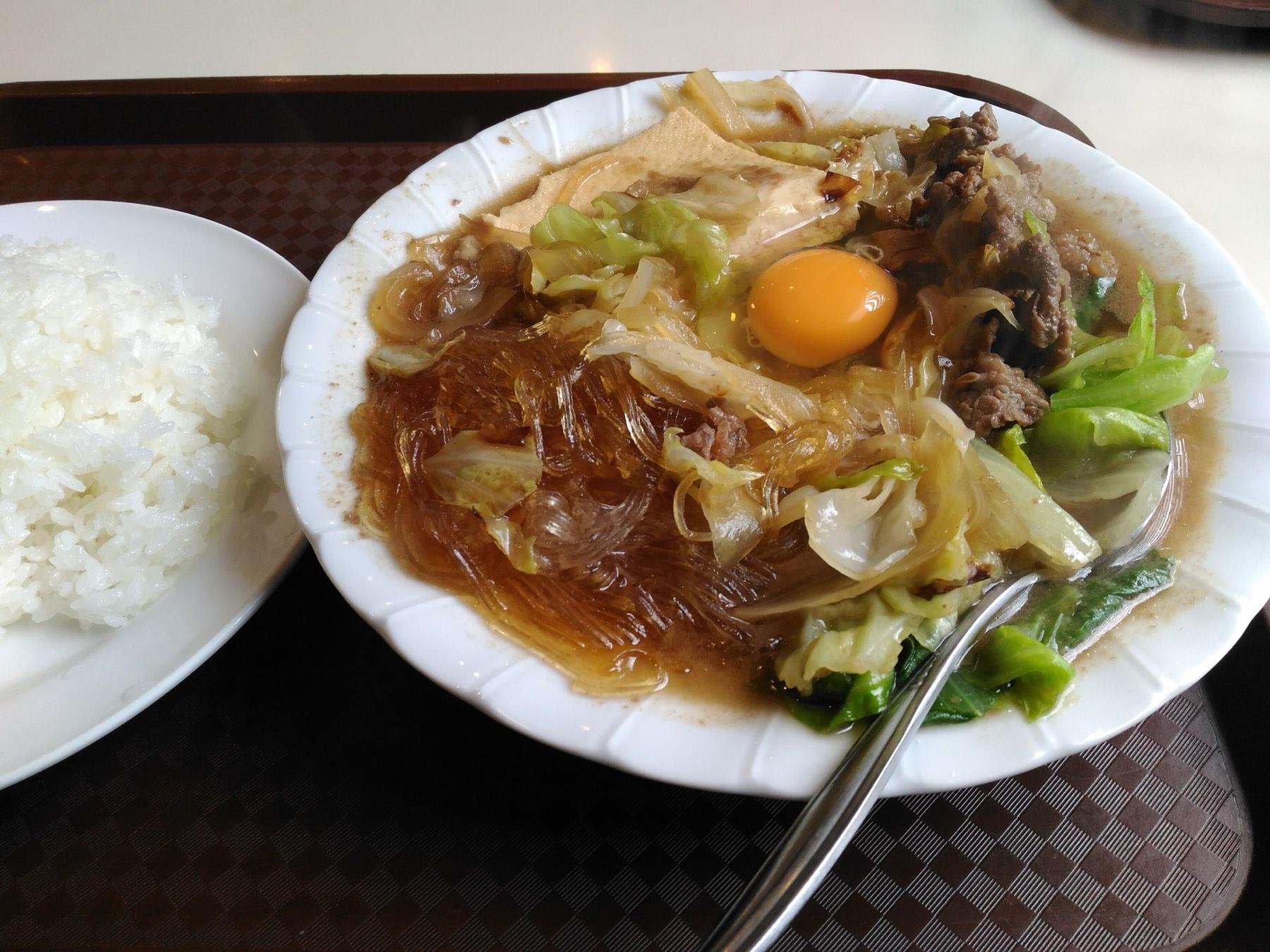
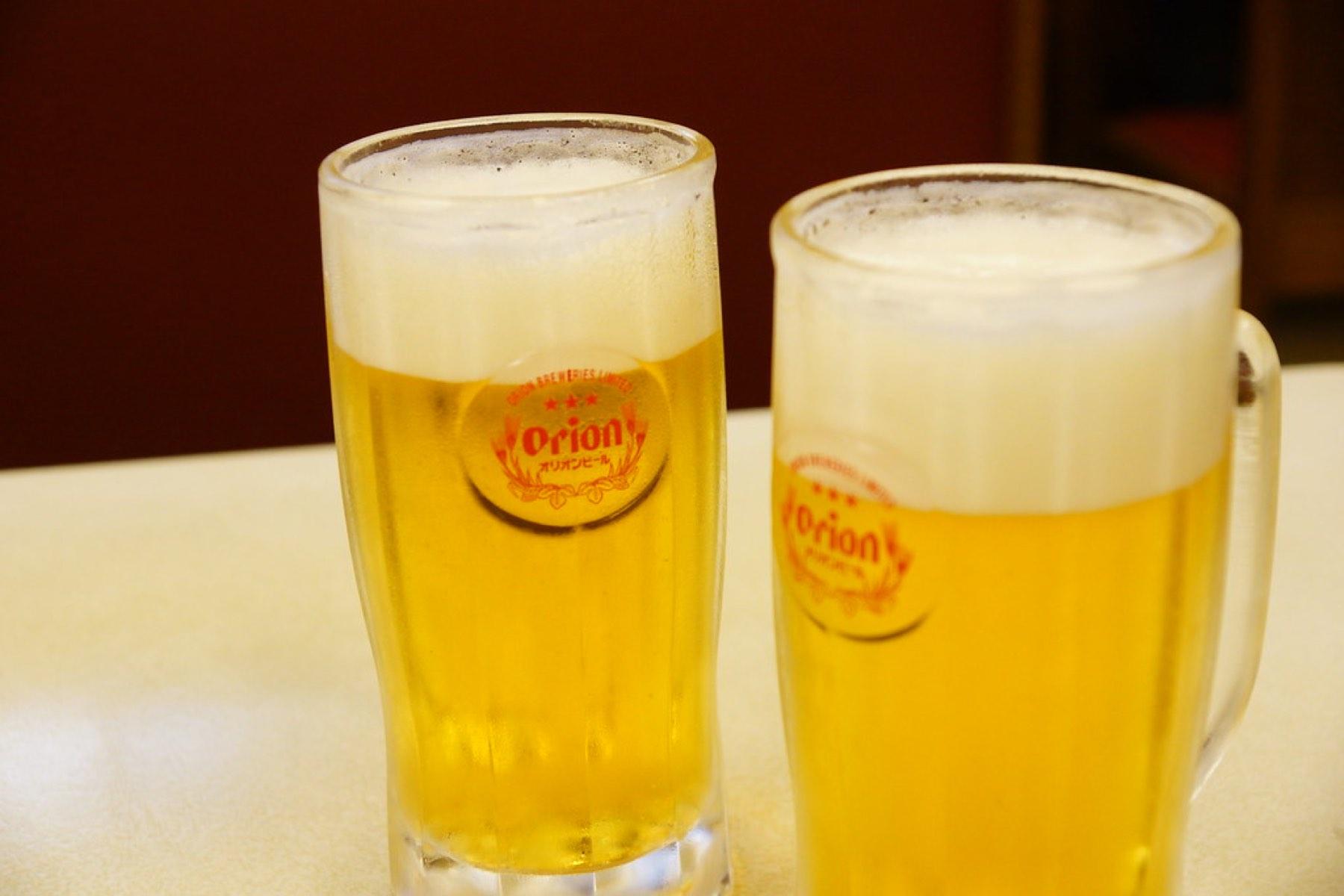


Drink in Naha


Things to do in Naha





Naminoue-gu波上宮Shrine
The clifftop shrine above Naminoue Beach, known locally as Nanmin, is one of the eight Ryukyu shrines; its main festival falls on 17 May.
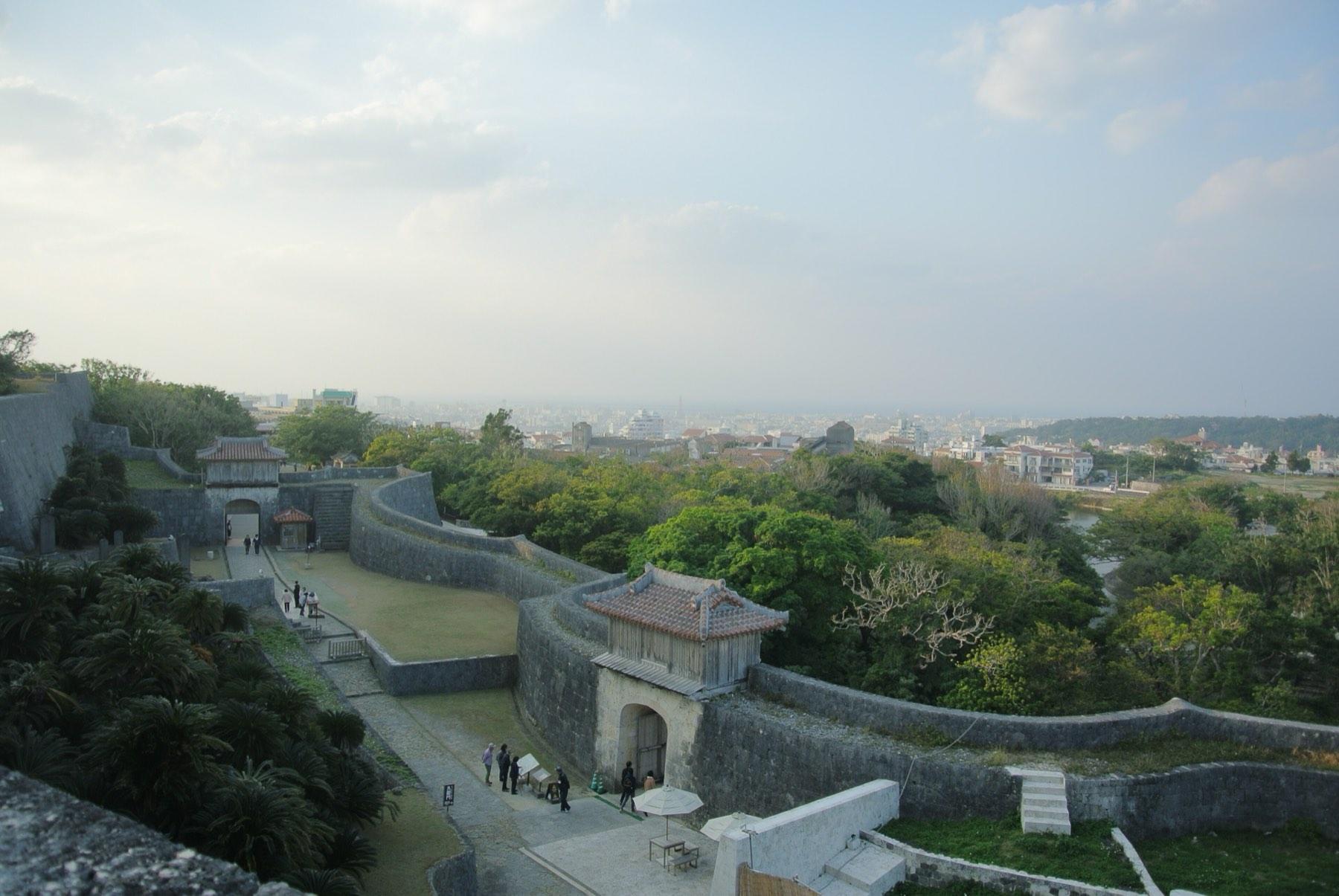
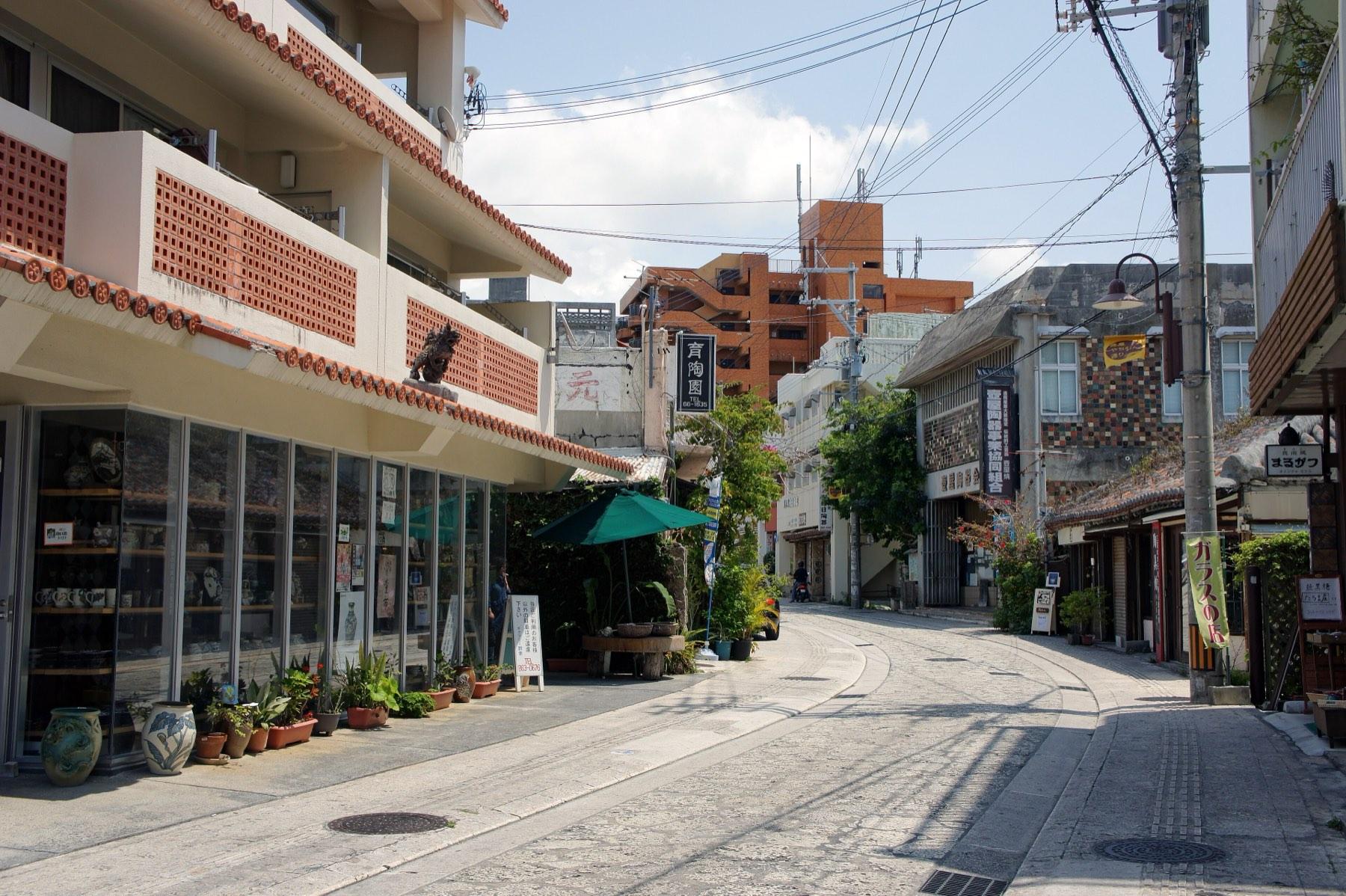
Naha is the gateway to the prefecture, with Naha Airport on its southwest edge and Tomari and Naha ports sending boats to the outer islands. It is also crowded. By area it is the smallest prefectural capital in Japan, and its population density is among the highest outside the Tokyo and Osaka regions. The city takes in the old capital of Shuri on its eastern hill, the market quarter around Kokusai-dori and Makishi, the pottery lanes of Tsuboya and the Oroku peninsula by the airport.
The name, by the most common explanation, means a fishing ground. The Battle of Okinawa left the centre in ashes, and while the US military held the old downtown around Nishi, Kume and Tsuji, Kokusai-dori and the Makishi markets grew out of the black markets that sprang up inland. After the war Naha absorbed the cities of Shuri and Mawashi and the village of Oroku.
For a cycling trip Naha works as a base when you pair it with early starts. The city streets are slow and busy, and Kokusai-dori has weekday bus lanes and a car-free Sunday afternoon. The Manko wetland, a Ramsar site on the Tomigusuku boundary, marks the edge of town on the ride south.

Street map
Nearby地図
Distances are straight-line kilometres.
Quick answers about Nahaよくある質問
What does Naha mean?
Naha most likely means a fishing ground. The scholar Iha Fuyu traced it to naha (魚場), and the city repeats that explanation; in Okinawan the name is Naafa.
Do you need a car in Naha?
No. Naha is served by the Yui Rail monorail, which runs from the airport through the centre to Shuri, and buses fan out from the Naha Bus Terminal.
Is Naha a good base for cycling in Okinawa?
Yes, with early starts. Naha's streets are slow and busy, but the south coast and the Chinen peninsula are within a morning's ride, and weekday bus-lane hours are worth avoiding.
How do you get to Naha?
The Yui Rail monorail runs 19 stations from Naha Airport through the centre and Shuri to Tedako-Uranishi in Urasoe. Buses leave from the Naha Bus Terminal beside Asahibashi Station.
Within 12 km
Places to stay nearby宿


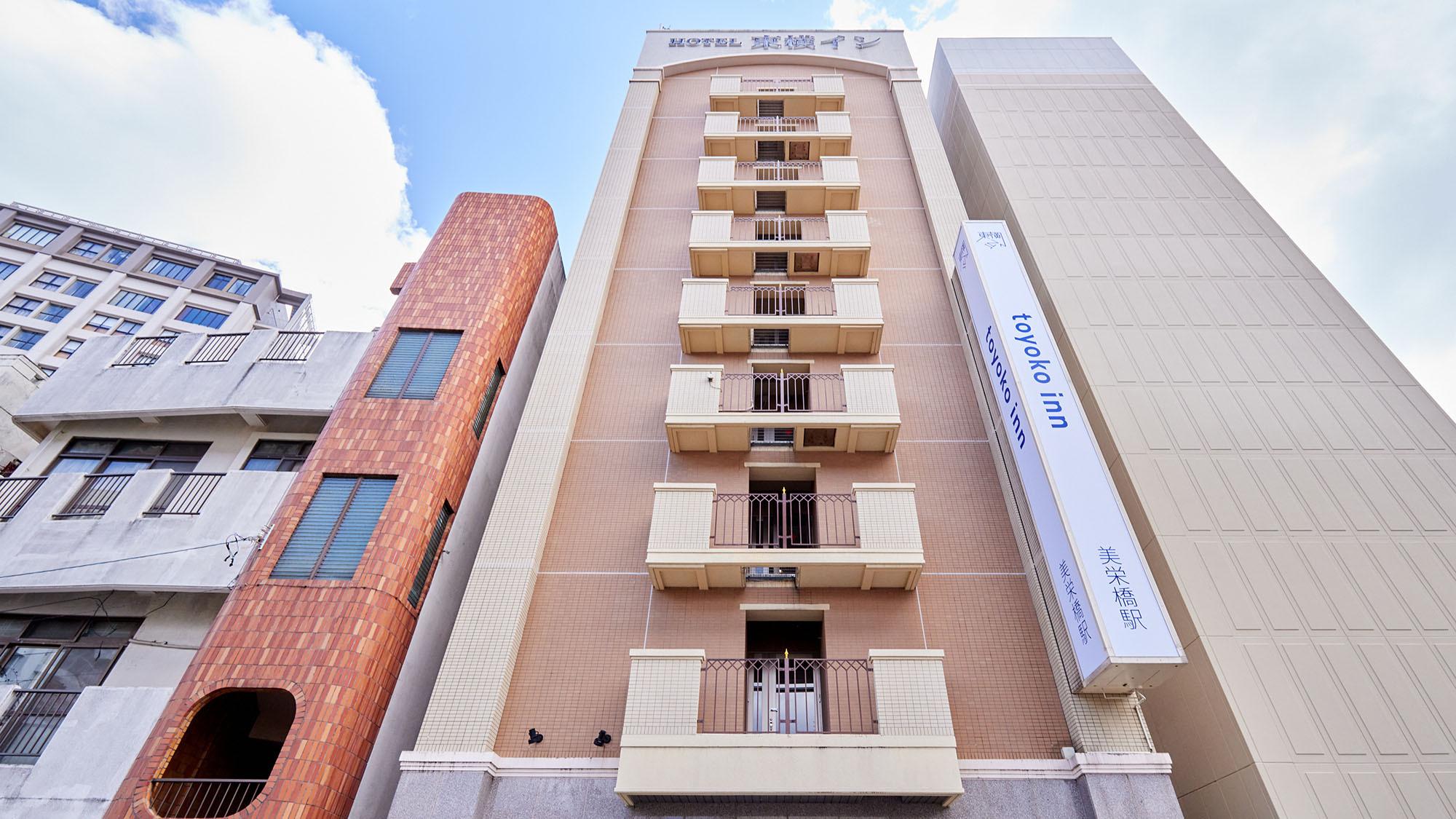
Within 12 km
Places to eat and drink nearby食

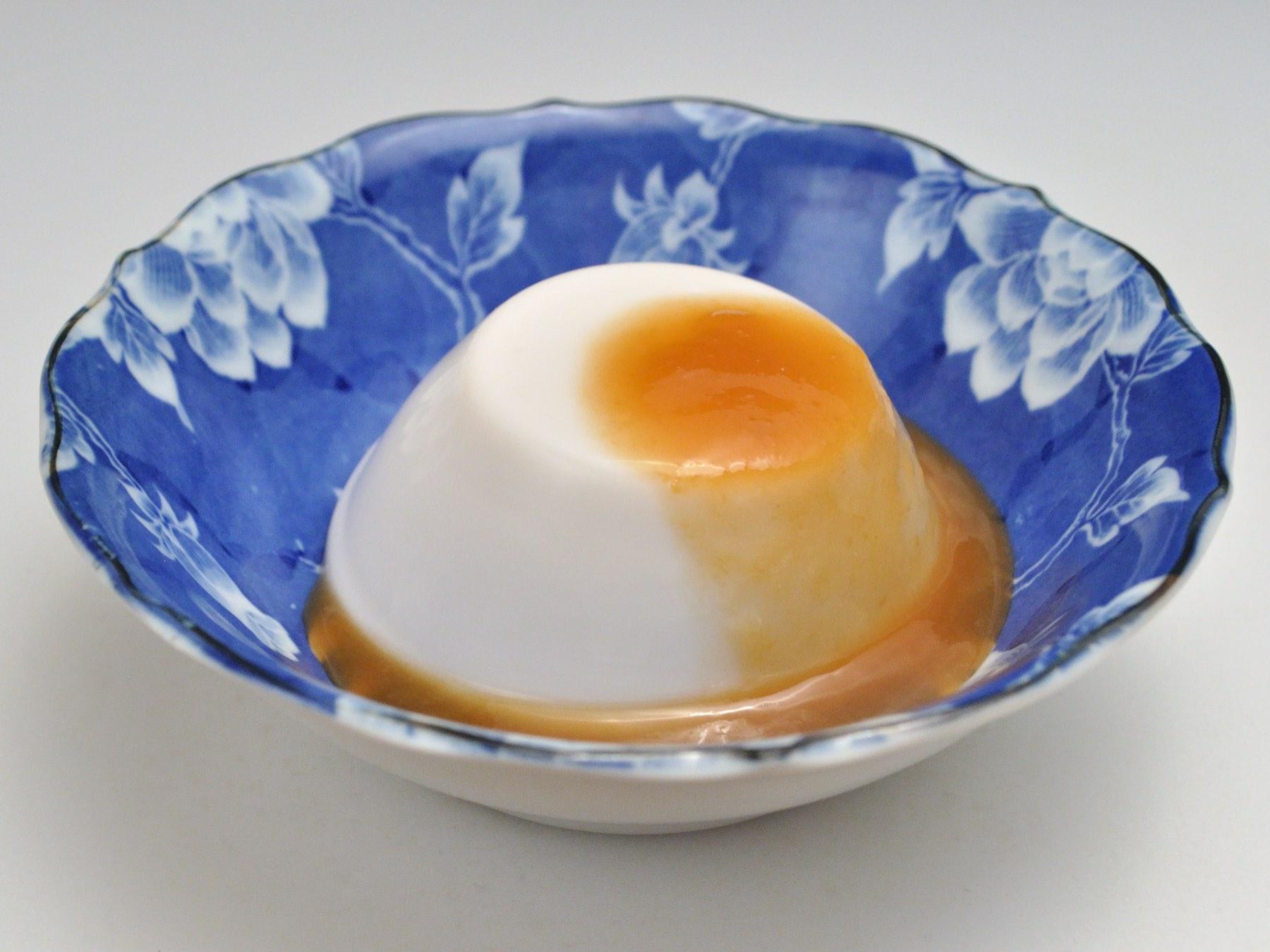
Within 12 km
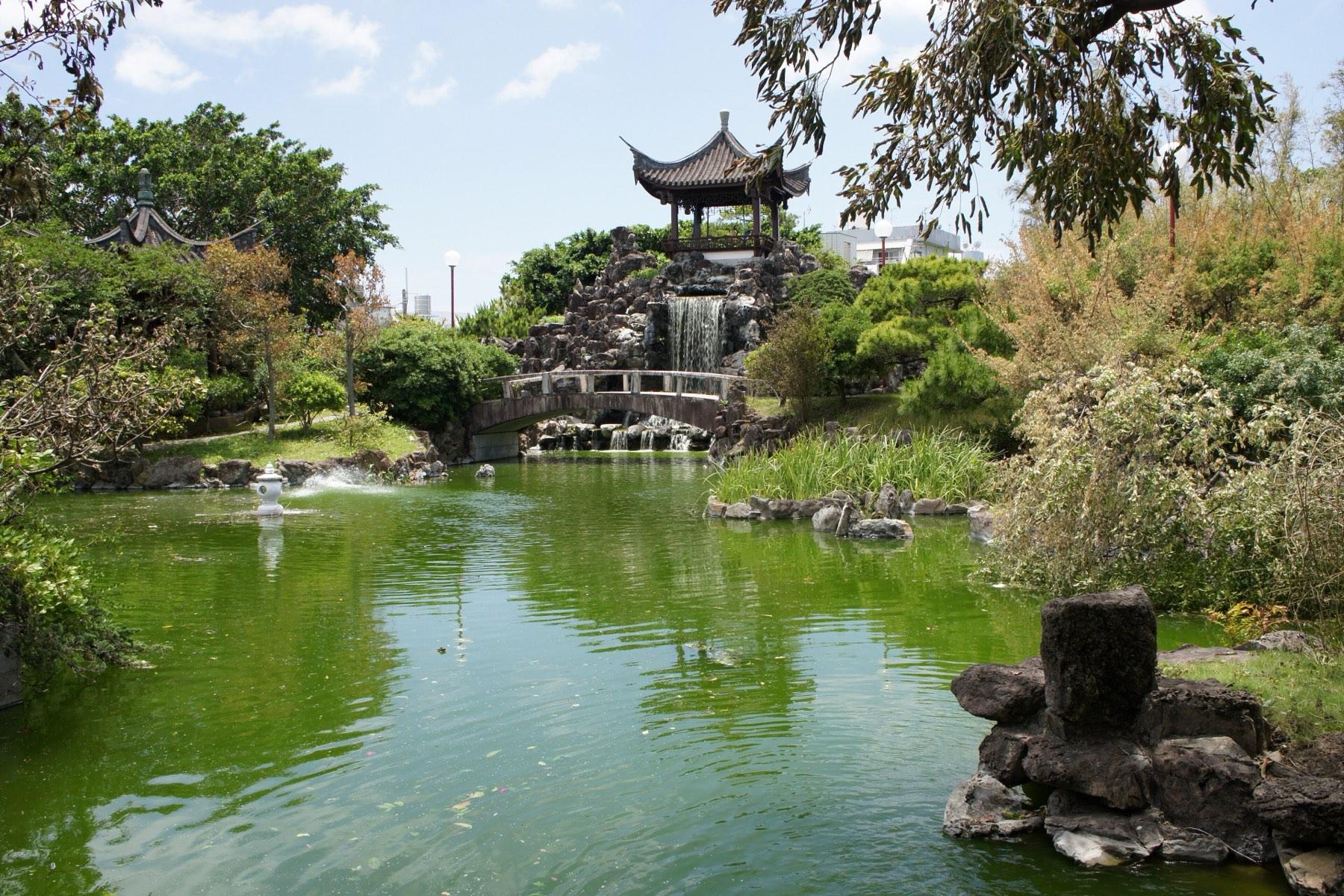
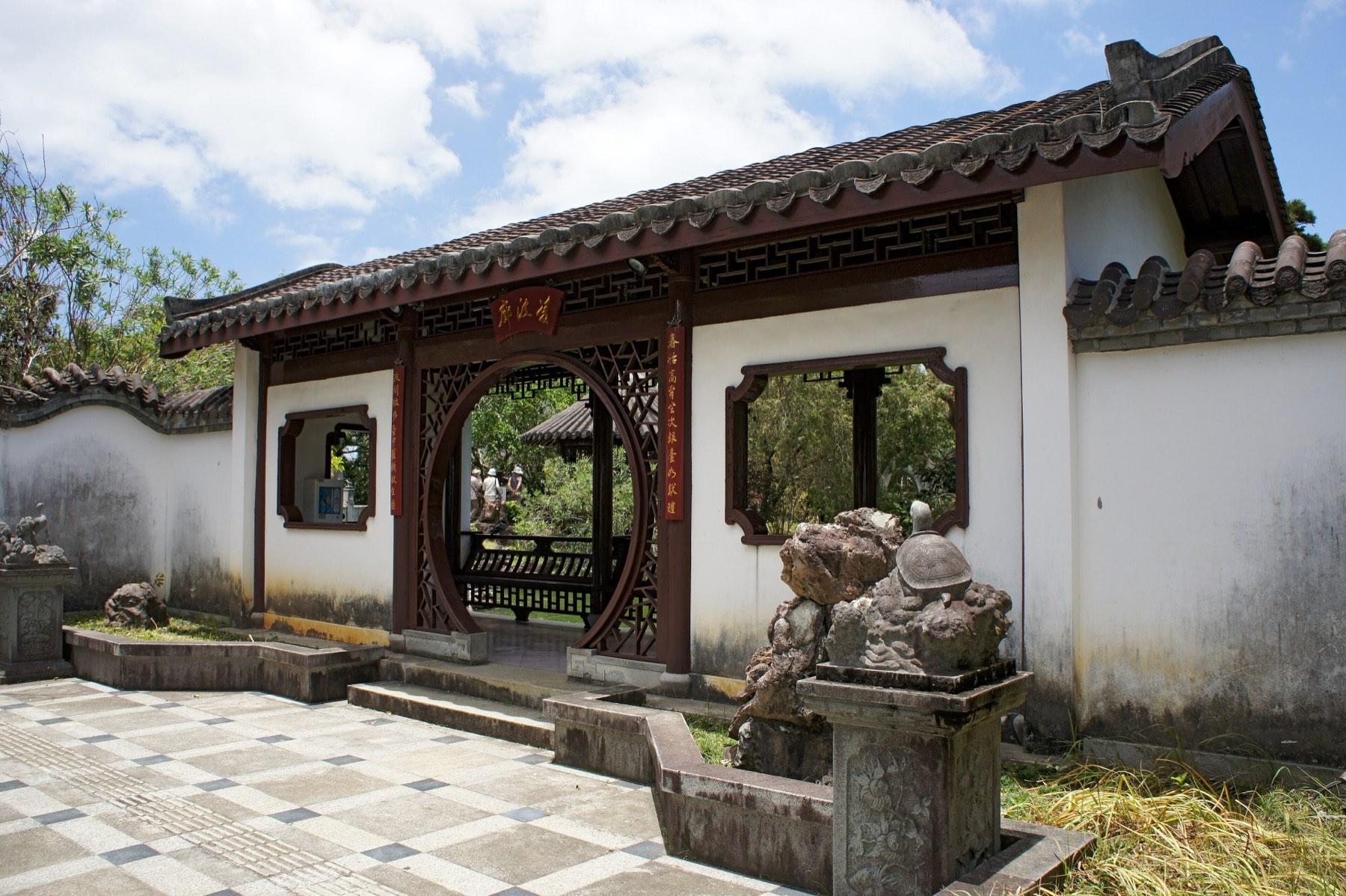
Sights nearby見る
Paid links
Line up the trip around Naha
Some of these links pay us a commission. It costs you nothing and keeps the guide independent. How the links work
In the journal and guides
Read more about Naha特集

Journal · 8 min read
Where should you base a cycling week on Okinawa's main island?
Nago puts a Tour de Okinawa course and the Motobu peninsula on your doorstep, and Naha covers the first and last nights. We compared the stays in Naha, Onna and Yomitan, Motobu and Kouri, and Nago on what they offer riders and which routes each one puts in reach.

Guide · 8 min read
What do you need to know before riding a bike on Okinawa's main island?
Keep left, stay off Route 58 where you can, light up in tunnels, and know that since April 2026 police can fine riders aged 16 and over on the spot. Here are the rules, the fines and the island's hazards, from heat and habu to the Yanbaru rail.