guide · 7 min read
Which Kerama beach should you choose for a day trip from Naha?
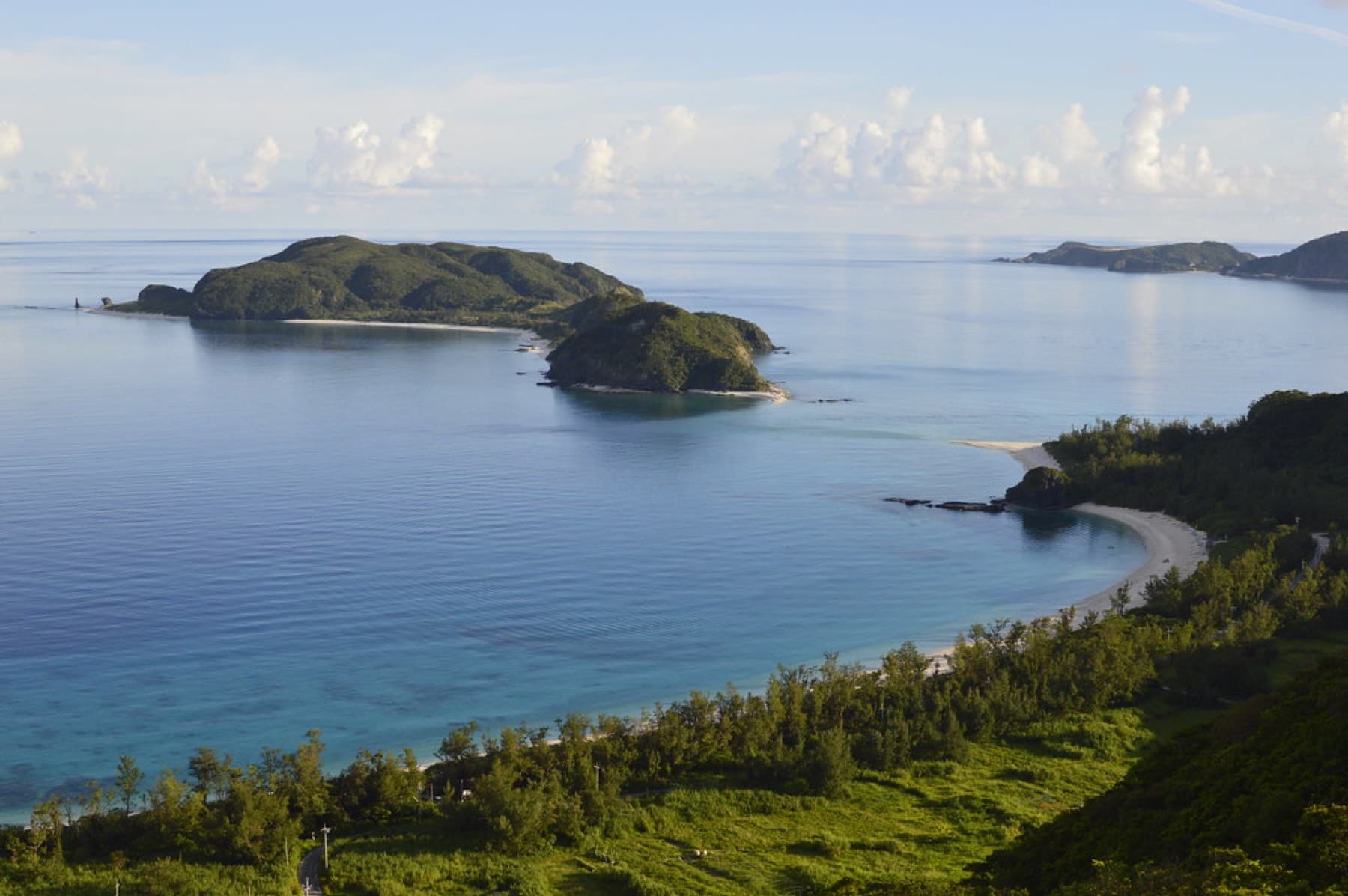
Furuzamami, Ama, Nishibama, Aharen and Tokashiku all sit inside Kerama Shoto National Park, and the boat you catch from Tomari sets how many hours you get on the sand.
By Ride Okinawa · Updated 2026-10

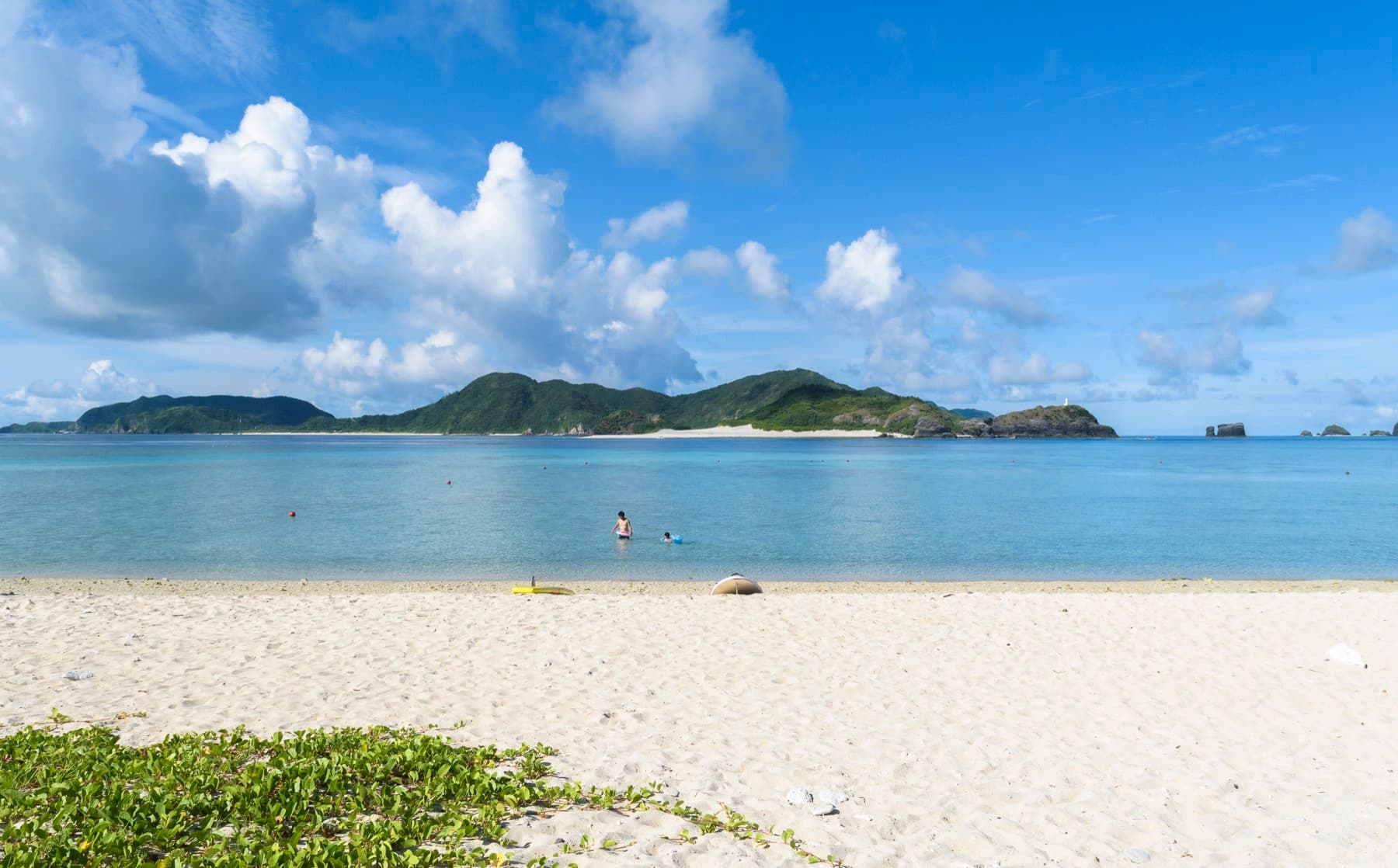
Furuzamami on Zamami is the Kerama beach to choose for coral close to the sand, and its south-facing bay stays out of the winter north wind. For the easiest day, take the boat to Tokashiki, where a bus runs from the port to Aharen in time with the boats. Sea turtles feed off Ama and Tokashiku. Nishibama on Aka has a reef the Ministry of the Environment ranks with Furuzamami's, and its north-facing sand takes the winter wind head on.
We built this in October 2026 from the Zamami and Tokashiki village timetables and beach notices, the Ministry of the Environment's park pages and Okinawa Prefecture's jellyfish and water-safety rules, read alongside our own beach pages.
How do the five Kerama beaches compare?
| Furuzamami | Ama | Nishibama | Aharen | Tokashiku | |
|---|---|---|---|---|---|
| Island | Zamami | Zamami | Aka | Tokashiki | Tokashiki |
| From the port | 1.4 km, 5 minutes on the village bus | 1.5 km, 5 minutes on the village bus | 1.5 km, about 20 minutes on foot | About 5 km, bus timed to the boats | No bus; about 15 minutes by taxi |
| Lifeguards | 19 April to 30 November in 2024; 2026 dates unpublished | Same as Furuzamami | Same as Furuzamami | 11 April to 30 November 2026 | 11 April to 30 November 2026 |
| Faces | South, toward Tokashiki | West, over the islets toward Aka | North | West, toward the islet of Hanari | West |
| In winter | Out of the north wind; showers and beach houses shut | Campground hot showers, ¥300 | North wind blows straight in | Village restaurants by the sand | You need a bike or a taxi |
| Go for | Coral a few metres off the sand | Sea turtles in shallow water | A reef on a par with Furuzamami's | The long beach and the easiest day trip | Turtles in calm water |
Zamami Village hadn't published its 2026 lifeguard season by October 2026, so the three Zamami Village rows carry the 2024 dates it reported to the prefecture (Okinawa Prefecture).

Why do people call the water Kerama blue?
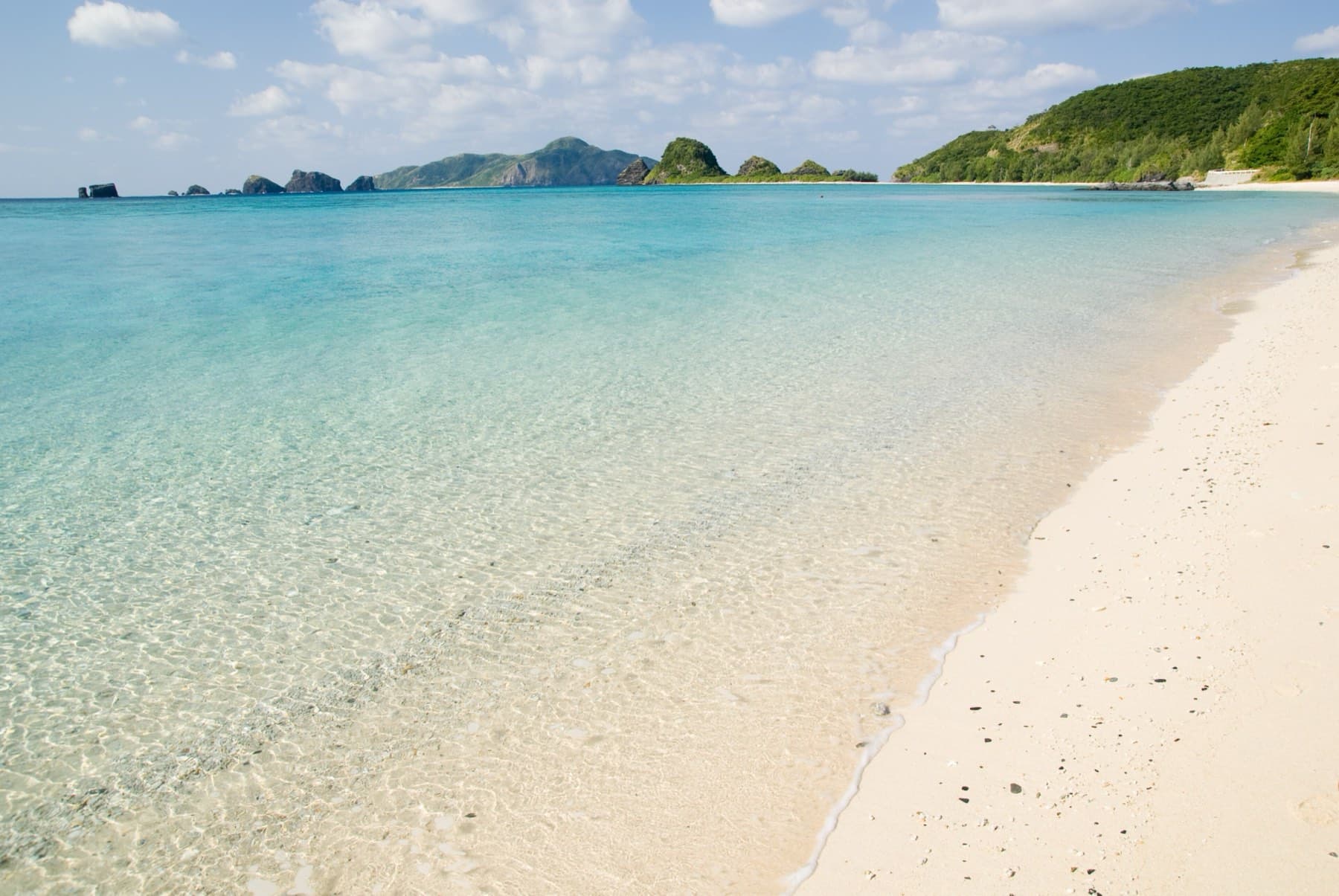
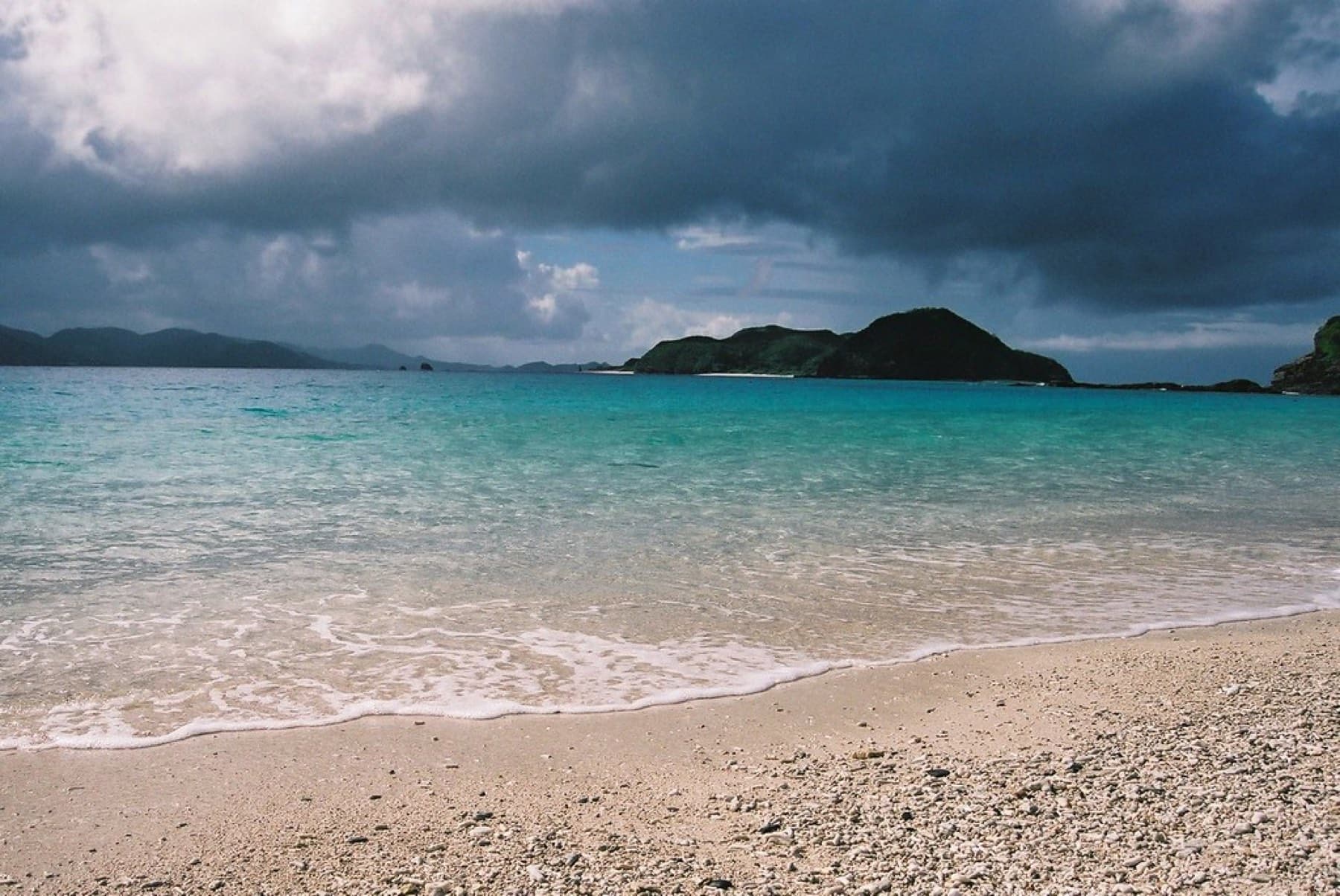
Kerama blue is the local name for the clear water around these islands, and the Ministry of the Environment lists that clarity among its reasons for making the Keramas a national park on 5 March 2014, which Japan keeps as Coral Day (Ministry of the Environment). The park covers 3,520 ha of land and 90,475 ha of sea. In the ministry's telling, the white sand on these beaches is reef coral that the waves have broken down over a very long time.
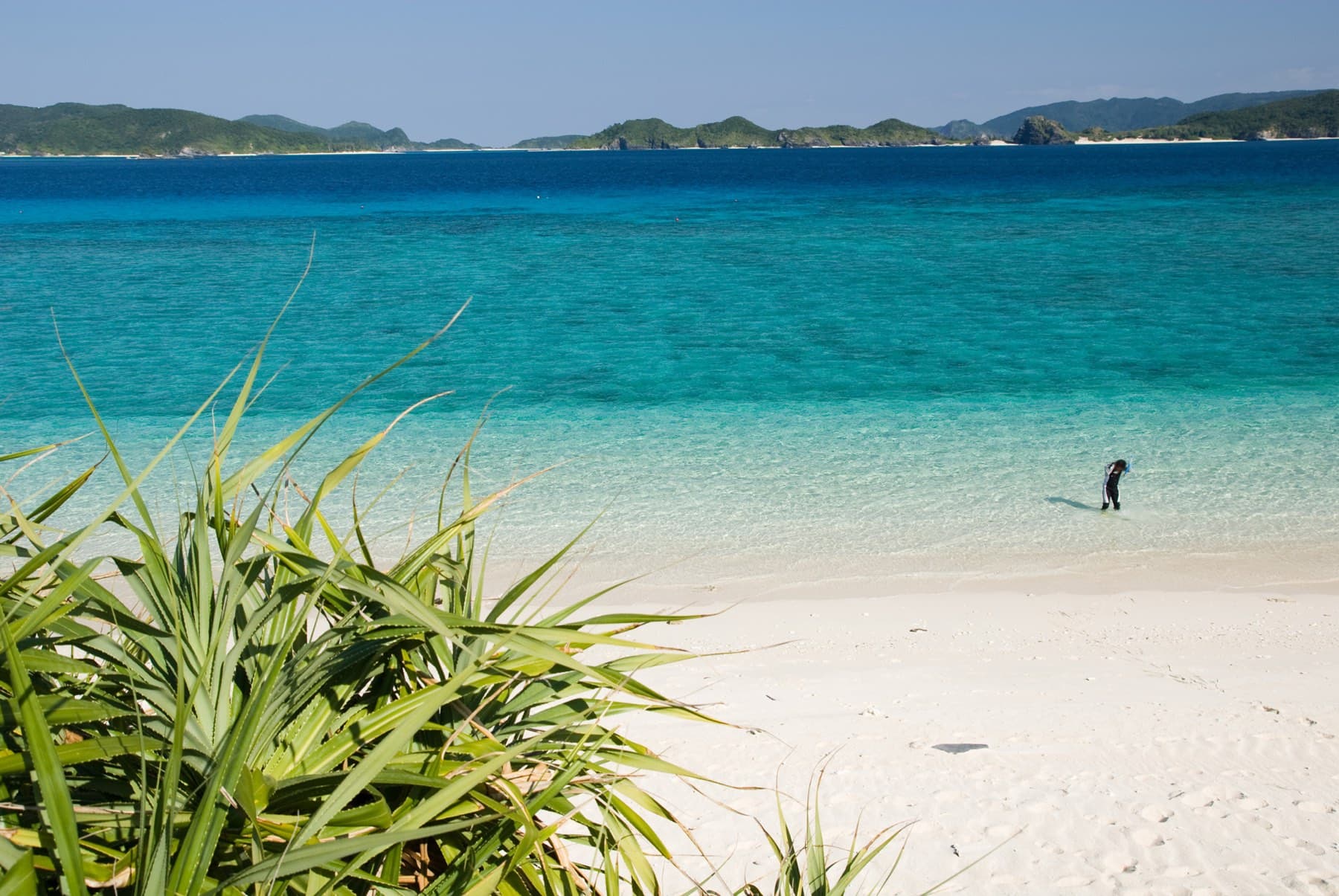
The ministry also notes that the sea Ama faces is registered under the Ramsar Convention as a coral reef of international importance, and that green turtles lay their eggs on Kerama sand (Ministry of the Environment). Furuzamami carries two stars in the Michelin Green Guide, and on Furuzamami the big coral heads start where the bottom drops away a few metres out.
Where do you see sea turtles?
Ama and Tokashiku are the turtle beaches, and the Ministry of the Environment names turtles in the water at both (Ministry of the Environment). Ama stays shallow for a long way, so swim near high tide, when there's enough water over the sand. A local observer told the Ryukyu Shimpo in 2018 that more than ten turtles turn up at Ama every year and nest in May and June.
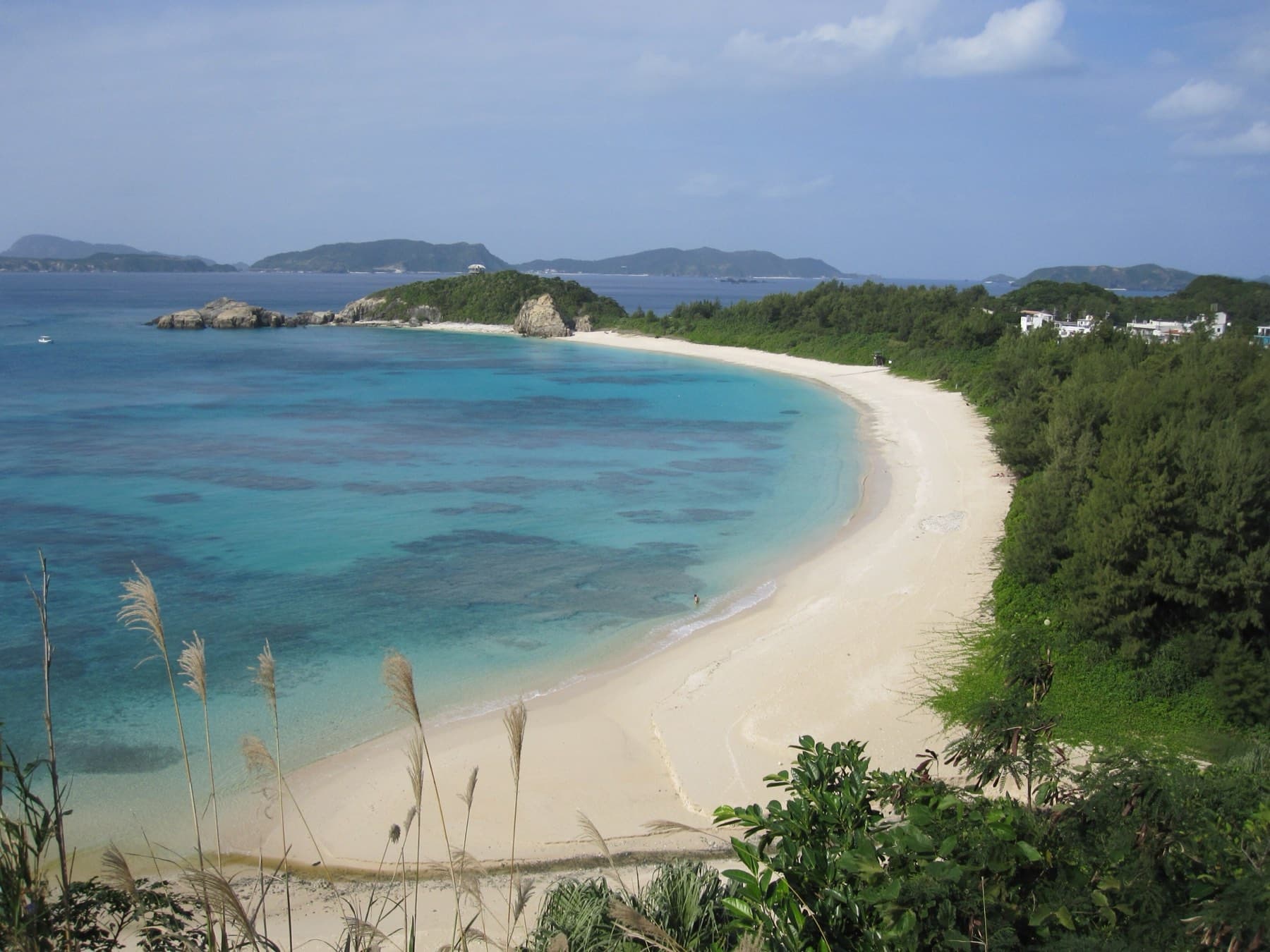
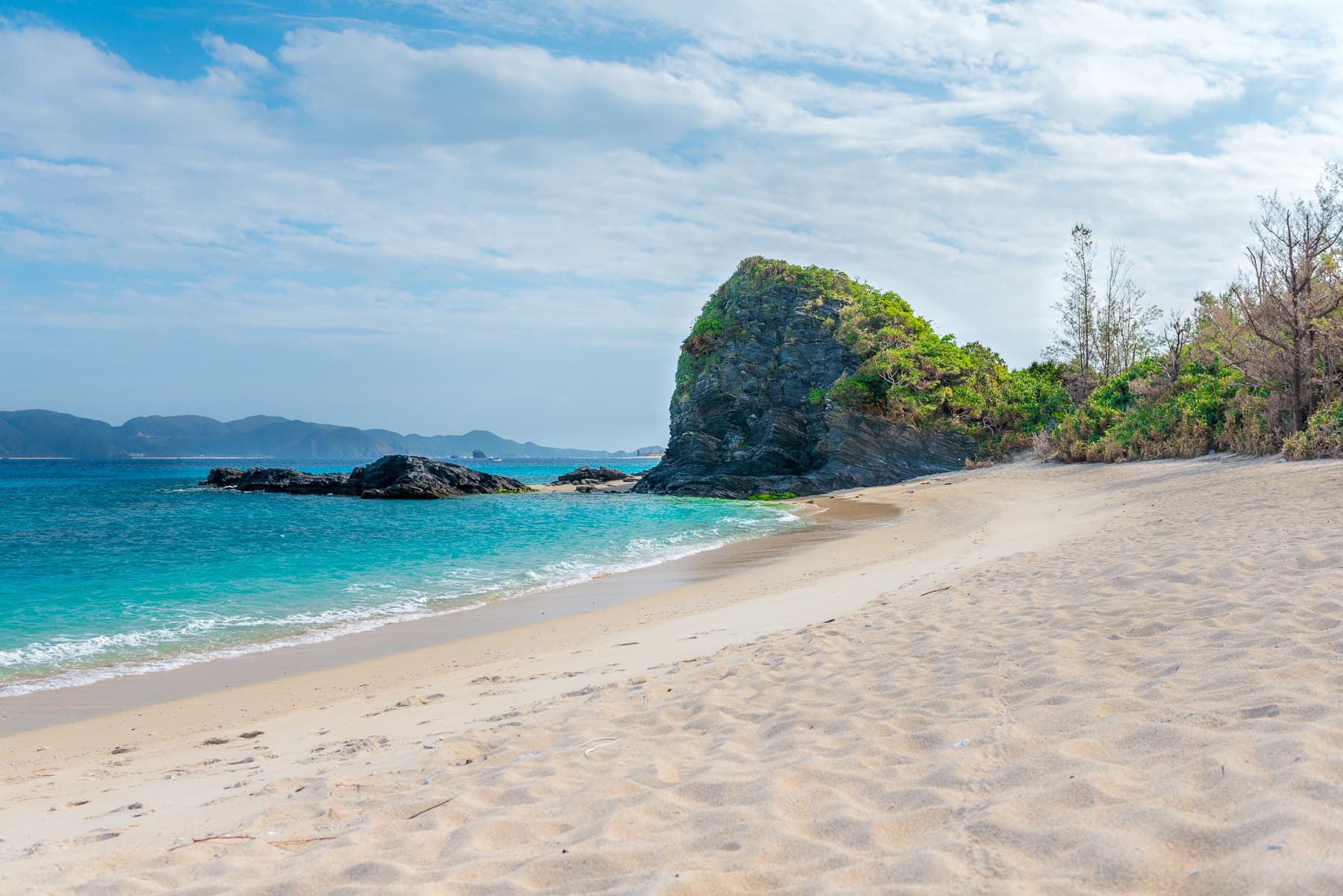
Tokashiku curves for about 800 m in a half-moon on Tokashiki's west coast. The water there is calm enough for a first snorkel. Tokashiki Village requires a life jacket for anyone snorkelling inside the monitored zone at Tokashiku and at Aharen (Tokashiki Village), and Tokashiku rents them. Give a turtle room to come up for air, and never chase or touch one.
When are lifeguards on duty, and what about jellyfish?
Lifeguards work these beaches from April to the end of November. Tokashiki Village watched Aharen and Tokashiku from 11 April to 30 November in 2026, from 9:00 to 18:00 through September and 9:00 to 17:00 in October and November (Tokashiki Village). Zamami Village staffed Furuzamami, Ama and Nishibama from 19 April to 30 November in 2024. Its report to the prefecture names Zamami-shiru and Ama-shiru as danger spots the guards patrol (Okinawa Prefecture). Zamami Village keeps swimmers inside the marked areas at its beaches and asks anyone swimming elsewhere to go with a guide.
Okinawa Prefecture's habu-kurage alert ran from 1 June to 30 September in 2026. That box jellyfish caused 81 of the 199 marine stings reported across the prefecture in 2025 (Okinawa Prefecture). On the prefecture's list of beaches that had reported by 14 August 2026, Aharen and Tokashiku had no jellyfish net and both kept vinegar ready, and Zamami's beaches weren't listed at all (Okinawa Prefecture). If one gets you, climb out and pour plenty of vinegar over the sting before you lift the tentacles away. Then cool it with ice or cold water and get to a doctor.
Okinawa's rewritten water-safety ordinance came into force on 1 April 2026. Its Article 25 tells swimmers to stay out of the sea when the weather or the waves put them at risk and after drinking, and to wear a life jacket or a wetsuit when they swim (Okinawa Prefecture ordinance).
The map
Every place in this piece, on its island.
Contours from AWS Terrain Tiles; reefs and coast from OpenStreetMap.
Which Kerama beaches work in winter?
Furuzamami and Aharen suit December to March best, because the north wind comes over land before it reaches them. JMA's station on Tokashiki records due north as its most frequent wind from December to March, at an average of 4.9 m/s (JMA). By our averages of JMA's daily sea-surface normals, the water near the Keramas runs about 22 °C in February (JMA). Bring a wetsuit, since the ordinance counts one in place of a life jacket.
Furuzamami faces south toward Tokashiki, so a February north wind comes over the hills at your back while you swim. Rurubu lists swimming there as allowed all year inside the marked area (Rurubu). Out of season the showers and the beach houses close and no lifeguard sits on the sand, so bring water and a towel from the village. At Ama the campground office stays open all year and switches on hot showers at the cottage block from 10:00 to 16:00 for ¥300 (Zamami Village).
Nishibama is written 北浜, north beach, and the winter wind blows straight onto it. Save it for a still day. Humpbacks spend the same months in these waters, and our guide to whale season in the Keramas covers the boats that go looking for them.
Beach
Furuzamami Beach
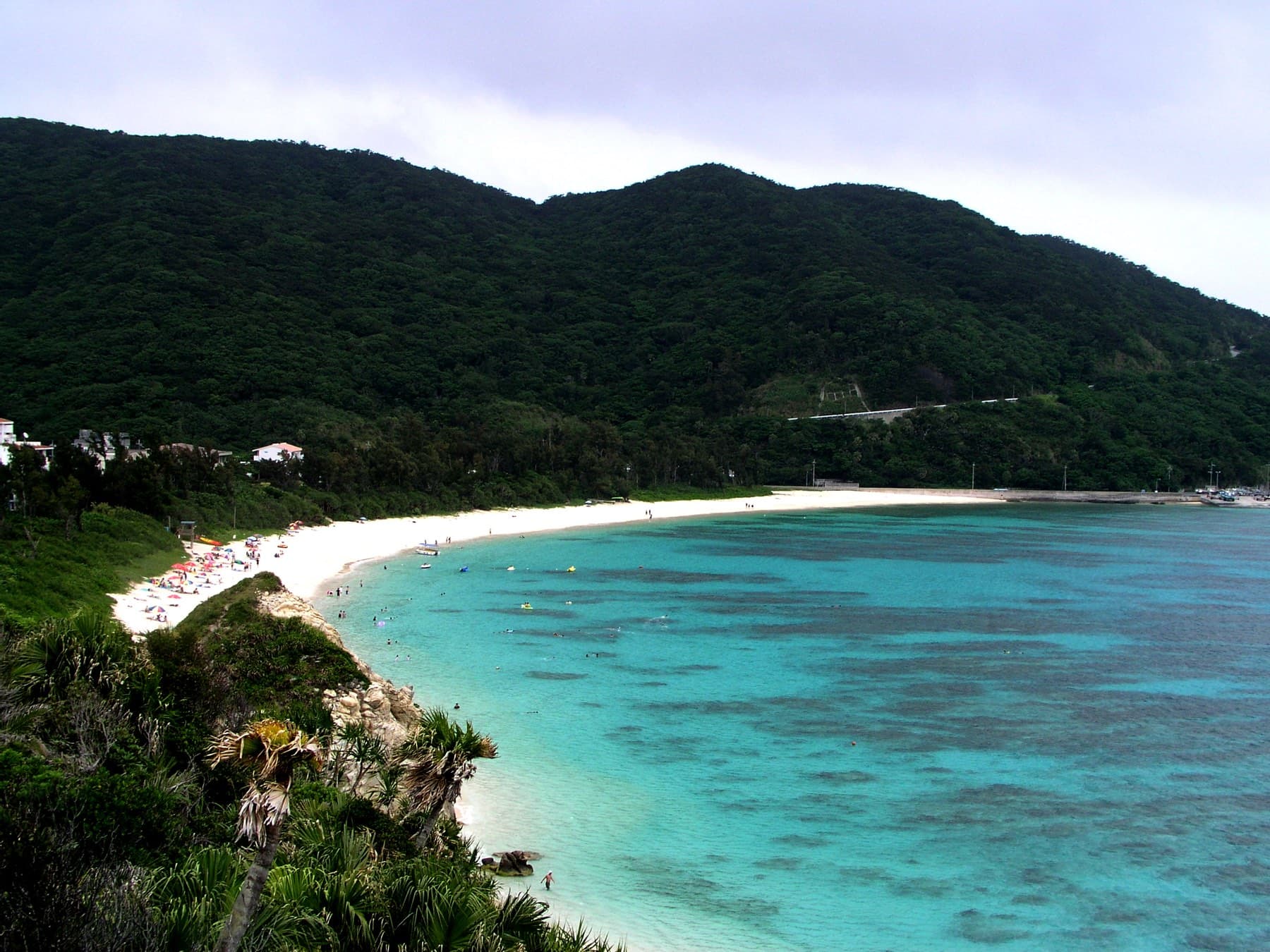
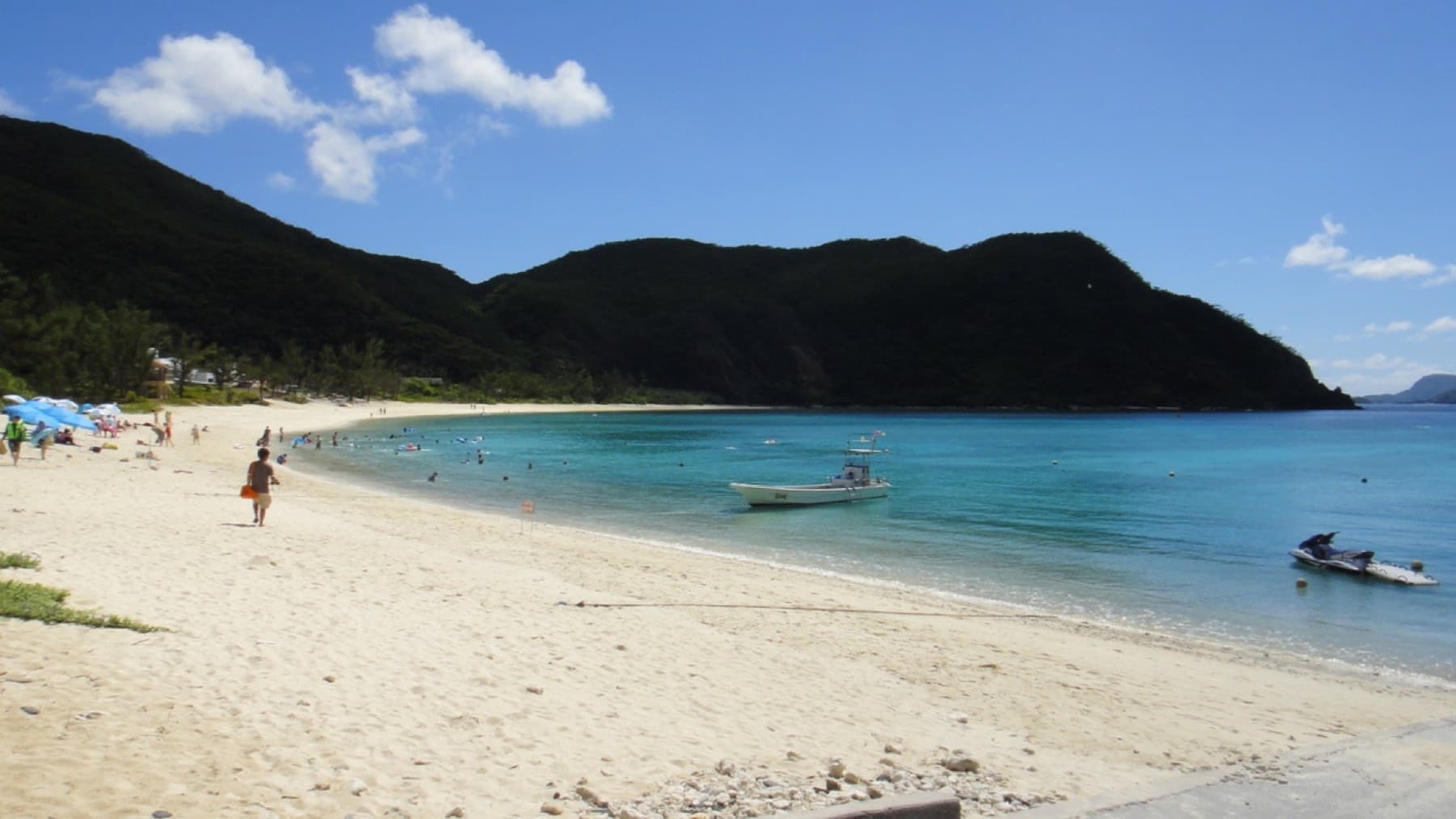
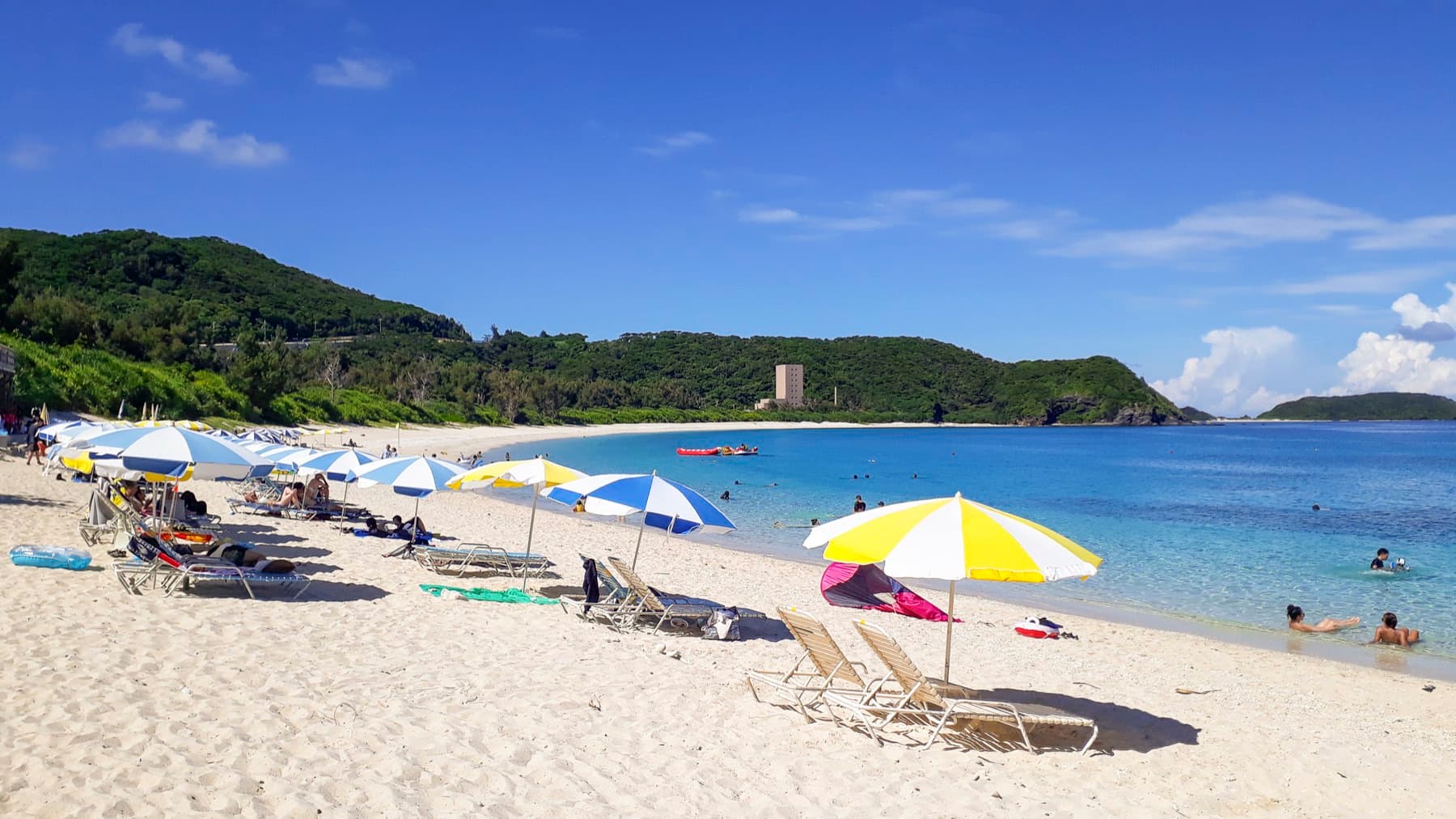
Furuzamami Beach lies 1.4 km from Zamami Port and is Zamami-jima's main swimming beach, where coral and tropical fish sit a few metres off the sand and the Michelin Green Guide gives two stars; the showers and rentals open only in summer.
- Kind
- Beach
How do you fit a beach into a day trip from Naha?
Zamami gives you the most hours. On the December 2026 and January 2027 timetables the Queen Zamami 3 leaves Tomari at 9:00 and reaches Zamami at 9:50, and the afternoon boat leaves Zamami at 16:10 and docks in Naha at 17:10 (Zamami Village). That's a little over six hours on the island. The Queen sits in dock from 20 October to 3 December 2026. The slower Ferry Zamami 3 lands at noon and sails at 14:00, which leaves you two hours. A return on the Queen costs ¥7,510, plus the village's ¥100 Churashima tax (Zamami Village fares).
Buy village bus tickets at ¥300 an adult from the machine at Zamami Port before you ride, because the beach stops have no machine (Zamami Village bus). On the October to March timetable the 15:25 or 15:50 bus from Furuzamami and the 15:40 from Ama reach the port in time for the 16:10 boat (timetable). Walking either beach back takes about 20 minutes.
For Aka, the morning Queen calls at 10:10 after Zamami, and the afternoon boat stops at 15:50 on its way back through Zamami to Naha (Tomari to Aka). Nishibama is 1.5 km from Aka Port. The village boat Mitsushima crosses between Zamami and Aka in 15 minutes four times a day for ¥500 (Zamami Village), so a swim at Nishibama and lunch on Zamami fit in one day.
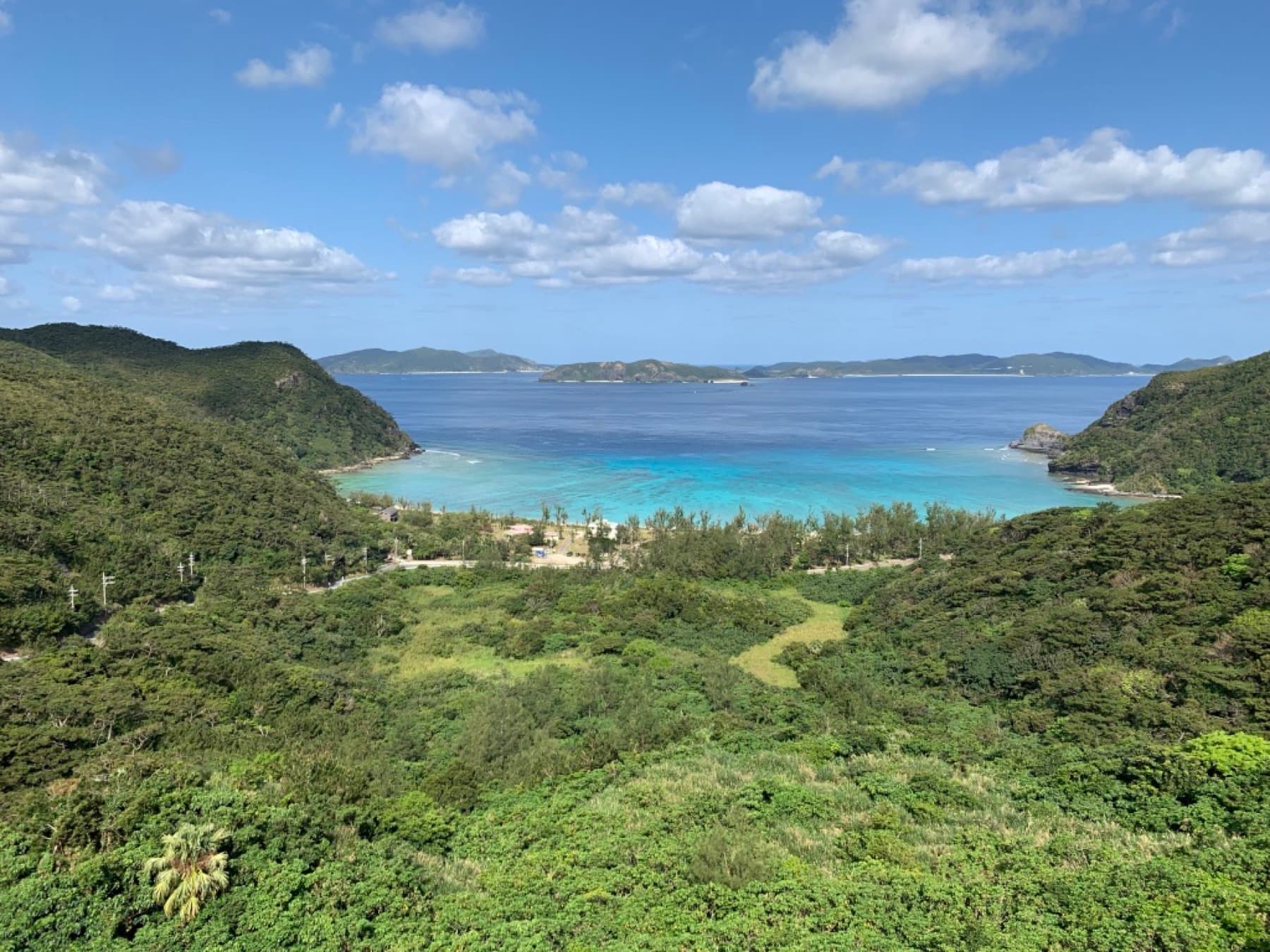
On Tokashiki, the Marine Liner Tokashiki leaves Tomari at 9:00 and lands at 9:40. The last boat back leaves at 17:00 until the end of February and at 17:30 from 1 March, and a one-way ticket has cost ¥3,300 since 1 October 2026 (Tokashiki Village). The bus from Tokashiki Port runs to Aharen in time with the boats. Tokashiku has no bus, so take a taxi or bring a bike: Ferry Tokashiki carries an unbagged bicycle for ¥330. The road over the ridge passes Teruyama Observatory, which looks down on both bays.
Check the boats that morning. Tokashiki Village posts its sailing status at 8:00, and Zamami Village stops the Queen when it forecasts 15 m/s of wind or 3.0 m waves on the crossing.
Quick answers
Can you swim in the Kerama Islands in winter?
Yes, at your own risk. Rurubu lists Furuzamami Beach on Zamami as open for swimming all year inside the marked area, and the water near the Keramas averages about 22 °C in February by JMA's normals. Lifeguards finish at the end of November, and Okinawa's water-safety ordinance asks swimmers to wear a life jacket or a wetsuit.
Where can you see sea turtles in the Kerama Islands?
Ama Beach on Zamami and Tokashiku Beach on Tokashiki are the two the Ministry of the Environment names for sea turtles. Ama is shallow, so swim near high tide. Keep your distance and never touch or chase a turtle.
Which Kerama beach is easiest on a day trip from Naha?
Aharen Beach on Tokashiki is the simplest, since the Marine Liner Tokashiki lands at 9:40 and a bus runs from the port to the beach in time with the boats. Furuzamami on Zamami gives you about six hours between the Queen Zamami 3's 9:50 arrival and its 16:10 departure on the winter 2026–27 timetable.
Do Kerama beaches have jellyfish nets?
Okinawa Prefecture's August 2026 list shows no habu-kurage net at Aharen or Tokashiku on Tokashiki, and both keep vinegar for stings. Zamami's beaches weren't on the list. The prefecture's 2026 jellyfish alert ran from 1 June to 30 September.
We write from operators’ and agencies’ own pages, open map data and published research, and we date every fact we check. How we research.
Sources (20)
- https://www.env.go.jp/nature/nationalparks/list/kerama-shoto/spot/
- https://www.env.go.jp/nature/mankitsu-project/pdf/presskit/JP/presskit_34kerama-shotou_JP.pdf
- https://www.pref.okinawa.jp/_res/projects/default_project/_page_/001/036/442/r0630zamamison.pdf
- https://www.vill.tokashiki.okinawa.jp/
- https://www.vill.tokashiki.okinawa.jp/kanko_bunka_sangyo/kankojoho/1940.html
- https://www.vill.tokashiki.okinawa.jp/sempakujoho/3027.html
- https://www.vill.zamami.okinawa.jp/ship/
- https://www.vill.zamami.okinawa.jp/sempaku/ryokin_jikoku/
- https://www.vill.zamami.okinawa.jp/sempaku/mitsushima/
- https://www.vill.zamami.okinawa.jp/kurashi/shisetsu_kotsu/kokyokotsu/bus/
- https://www.vill.zamami.okinawa.jp/userfiles/files/om5pmikr0nlf.pdf
- https://www.vill.zamami.okinawa.jp/kanko_iju/kanko/camp/
- https://www.pref.okinawa.lg.jp/kurashikankyo/petgaiju/1018721/1005068/1005048.html
- https://www.pref.okinawa.lg.jp/_res/projects/default_project/_page_/001/005/048/r8japanese.pdf
- https://www.pref.okinawa.lg.jp/_res/projects/default_project/_page_/001/005/048/tyousa2.pdf
- https://www.police.pref.okinawa.jp/docs/2026020500014/file_contents/R8_02_54.pdf
- https://ryukyushimpo.jp/news/entry-764433.html
- https://rurubu.jp/andmore/spot/80043352/beach
- https://www.data.jma.go.jp/stats/etrn/view/nml_amd_ym.php?prec_no=91&block_no=1152&year=&month=&day=&view=
- https://www.data.jma.go.jp/kaiyou/data/db/kaikyo/series/engan/engan705.html
Related