Yaeyama Islands
八重山諸島24°22′ N 123°57′ EOuter islands8 islands16 towns24 beaches38 sights4 culture29 stays86 eat & drink9 routes38 operators5 events
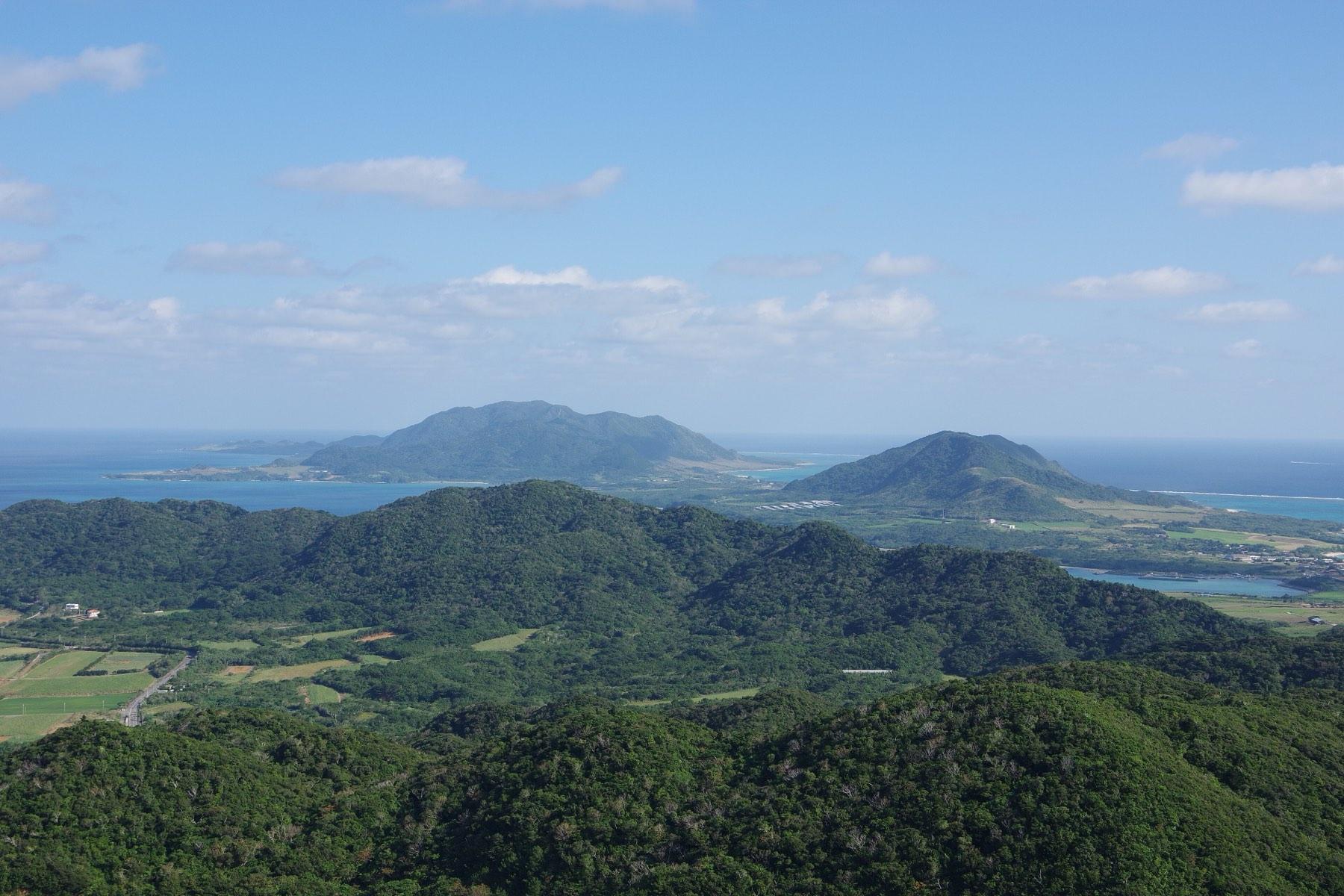
Ishigaki is the hub for a ring of islands with nothing else like them in Japan: the jungle and mangrove rivers of Iriomote, Taketomi's coral-sand lanes, the cattle pastures of Kuroshima. Boats leave Ishigaki's island terminal all day, and the furthest go to Hateruma under the Southern Cross.
TownsIslandsBeachesSightsCultureStaysEat & drinkRoutesOperatorsEventsContours every 50 m
Photo Junpei Abe · Wikimedia Commons · CC BY 2.0 and others, credited in the gallery
8 in Yaeyama
Islands島々


16 in Yaeyama
Towns and neighbourhoods町


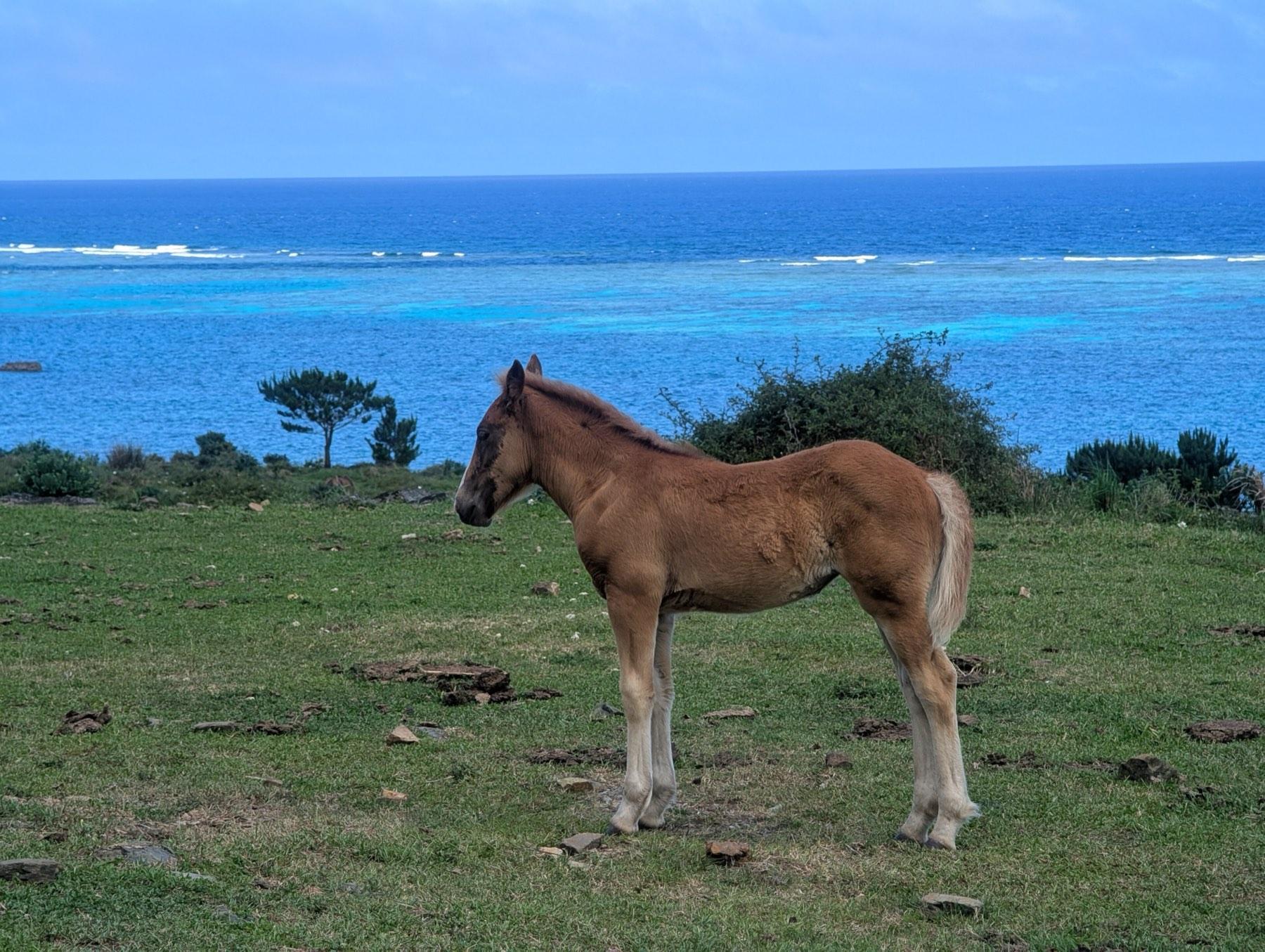


24 in Yaeyama
Beaches, snorkel and dive sites浜


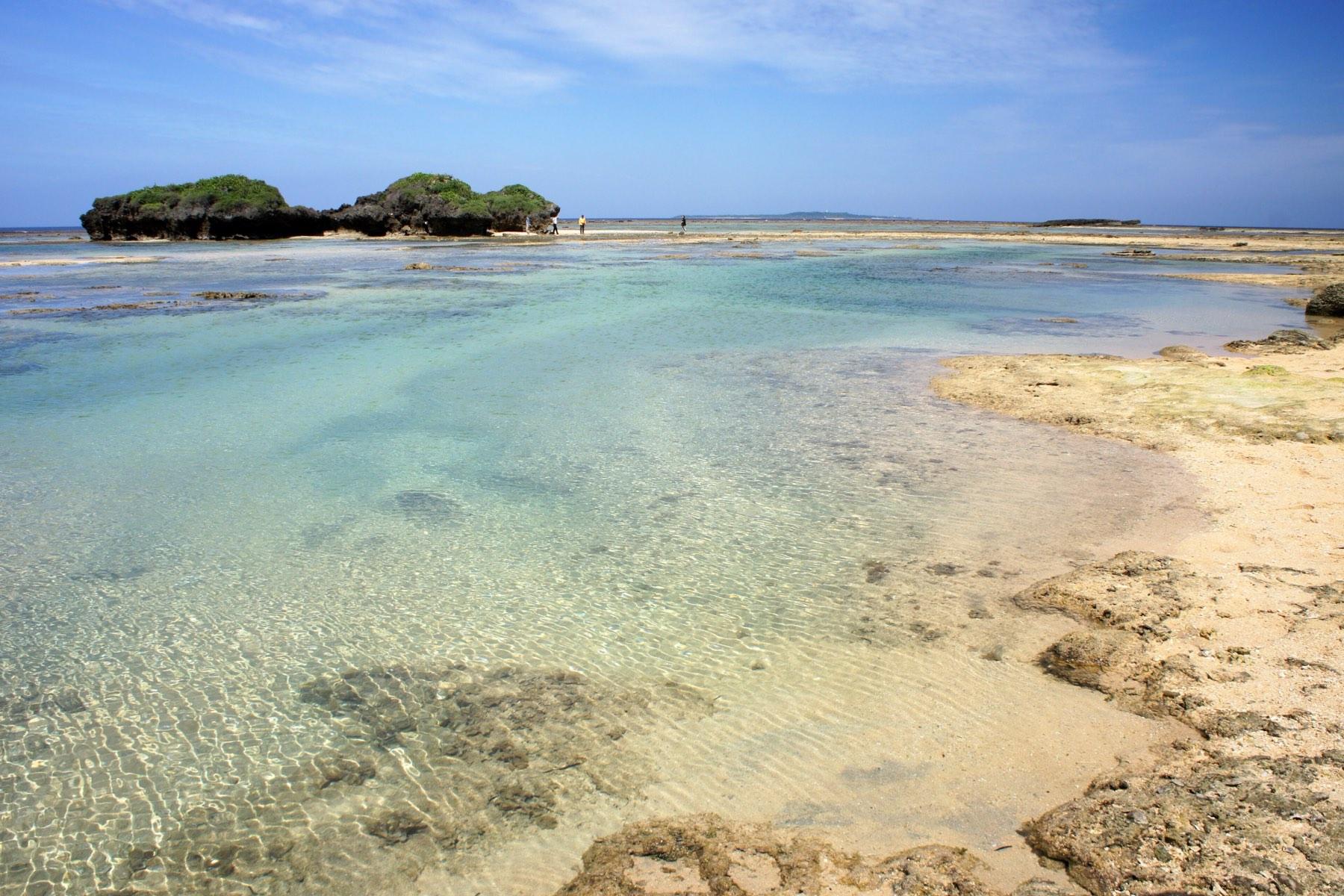


38 in Yaeyama
Sights見る


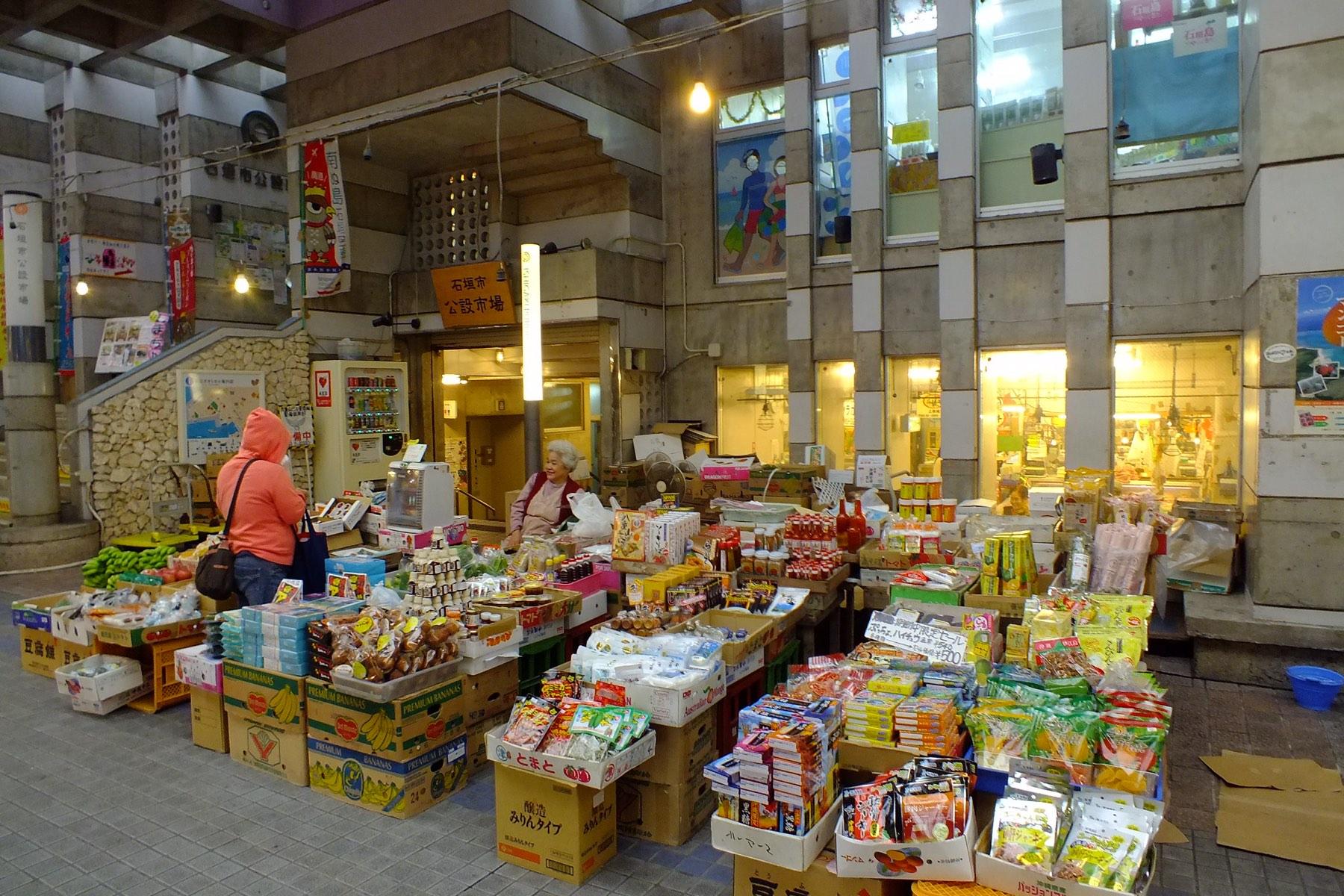


4 in Yaeyama
Culture and history文化


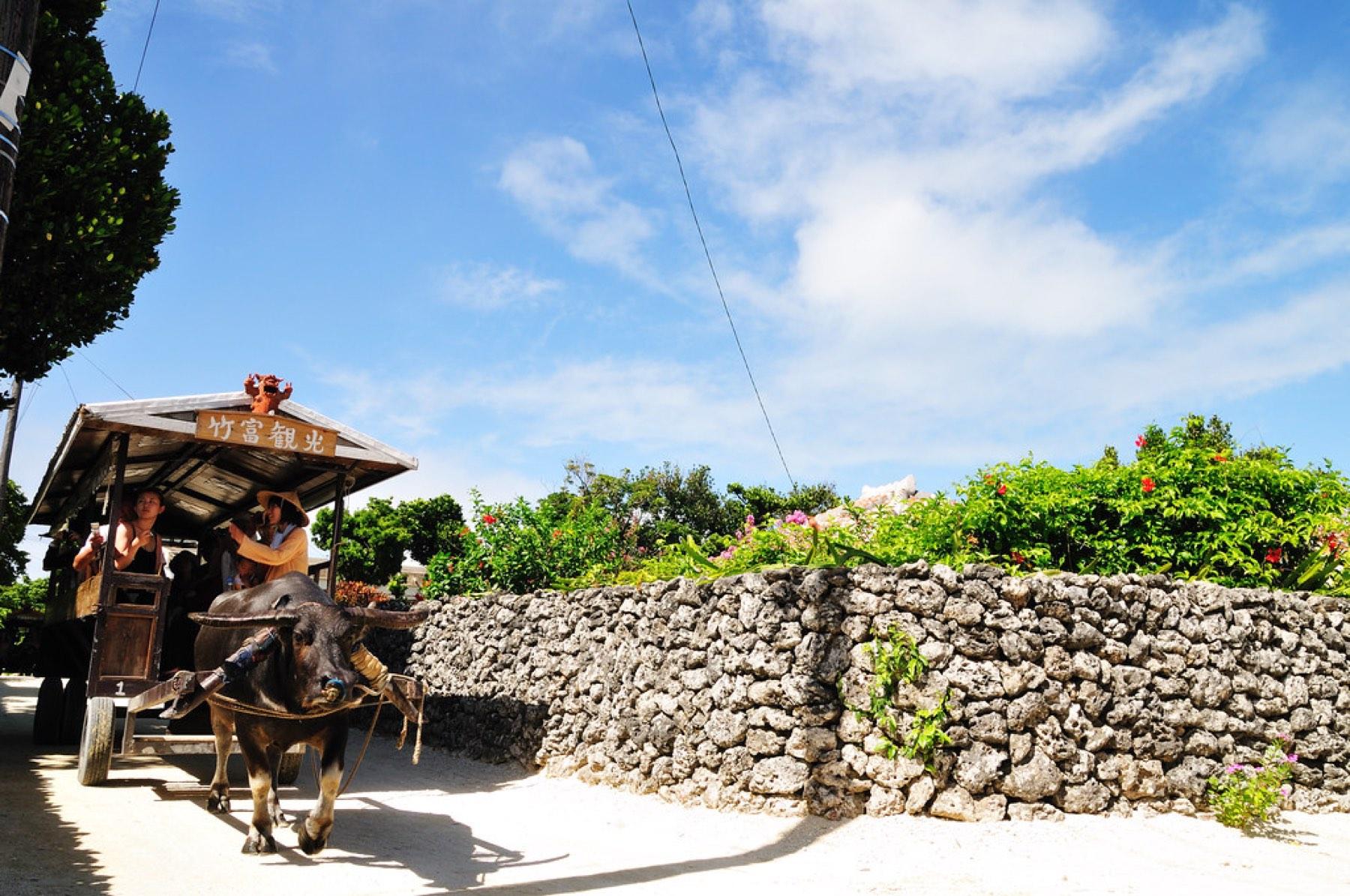

29 in Yaeyama
Places to stay宿
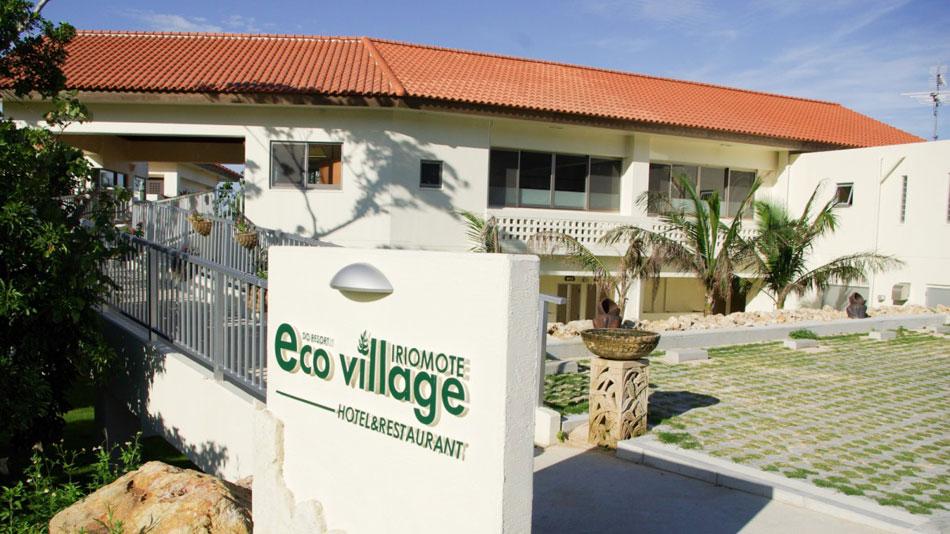
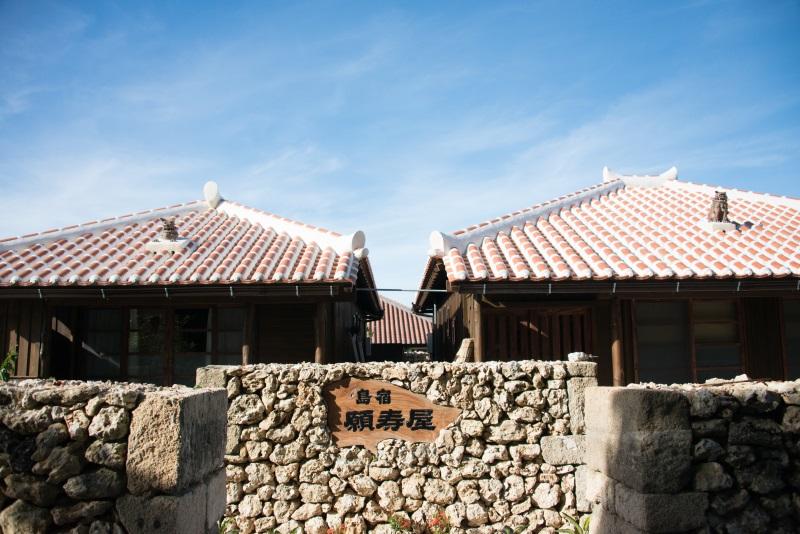
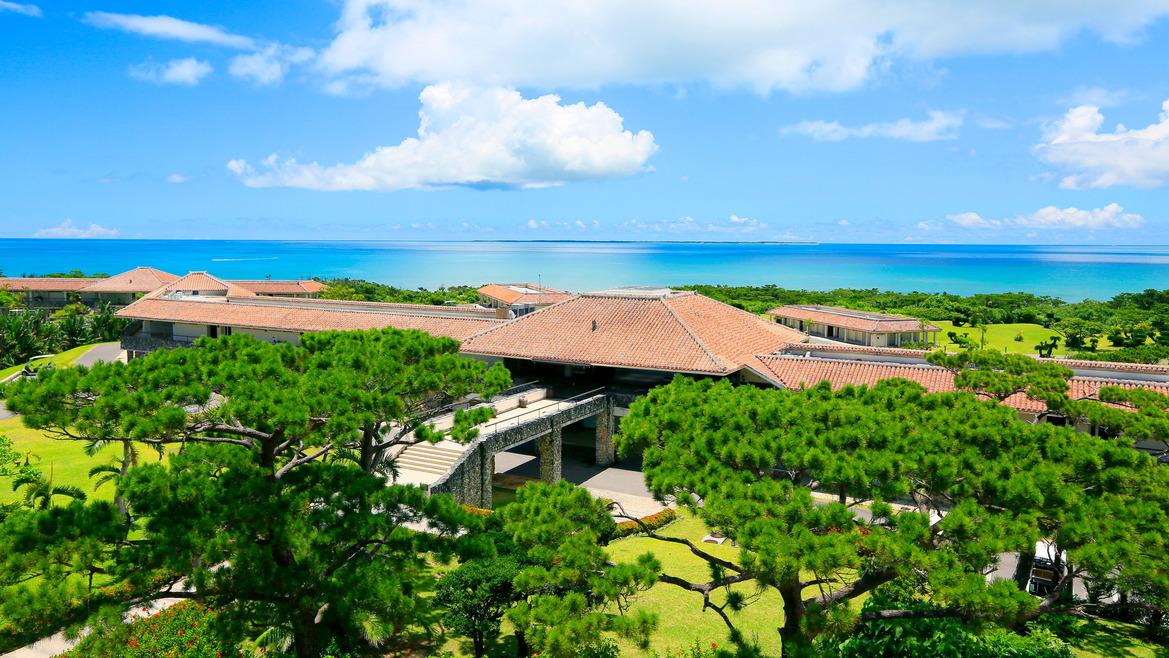
86 in Yaeyama
Places to eat and drink食


9 in Yaeyama
Cycling routes道
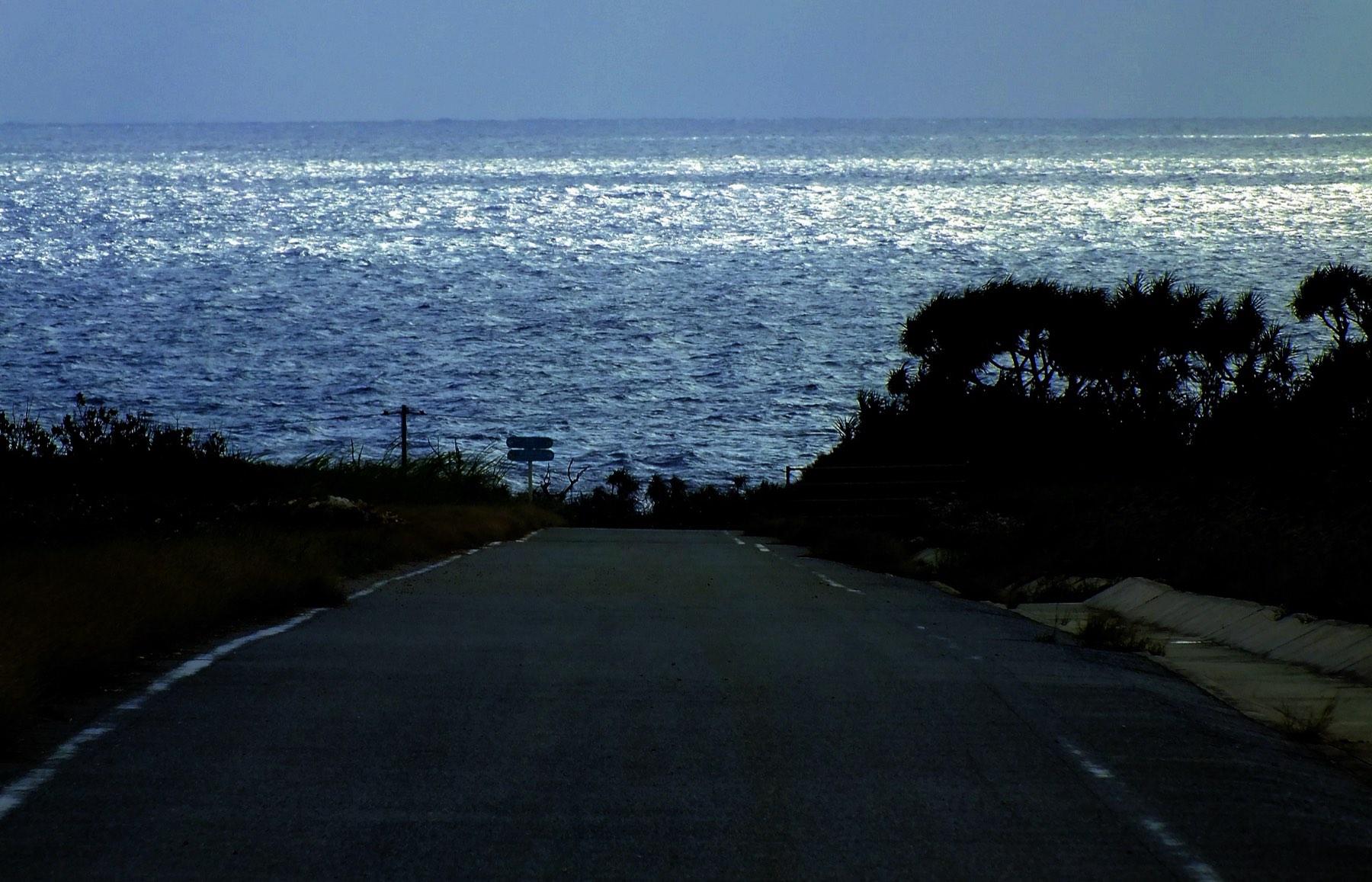


38 in Yaeyama
Tours, guides and rentals案内


5 in Yaeyama
Events and seasons行事


In the journal and guides
Read more about Yaeyama Islands特集
- How do you hop between Okinawa's islands?
Boats from Naha reach the Keramas and Kume-jima, Ishigaki's Ritou Terminal sends high-speed boats across the Yaeyamas, and Miyako and Ishigaki are a flight from Naha. Here's which boats carry a bike and what the winter north wind does to the timetable.
- How does cycling differ on Okinawa's outer islands?
Miyako's bridges and capes take the full winter north-northeasterly, Taketomi's village lanes are coral sand, Iriomote asks for 40 km/h to protect its wildcats, and of the two Yaeyama ferry companies only Anei Kanko loads an unbagged bike on its high-speed boats.
- What is winter riding like on Okinawa's outer islands?
From December to March JMA's 1991–2020 normals give Miyako, Ishigaki, Iriomote, Hateruma and Yonaguni daily highs of 20–24 °C and lows of 16–19 °C, a north-northeasterly averaging 4–6 m/s (7–8 m/s on Yonaguni), 10–16 rainy days a month and seas near 23 °C.
- How do Okinawa soba, Miyako soba and Yaeyama soba differ?
All three are wheat noodles in pork and bonito broth, and the differences come down to the cut of the noodle, the weight of the broth, where the pork sits and what waits in the jar on the table.